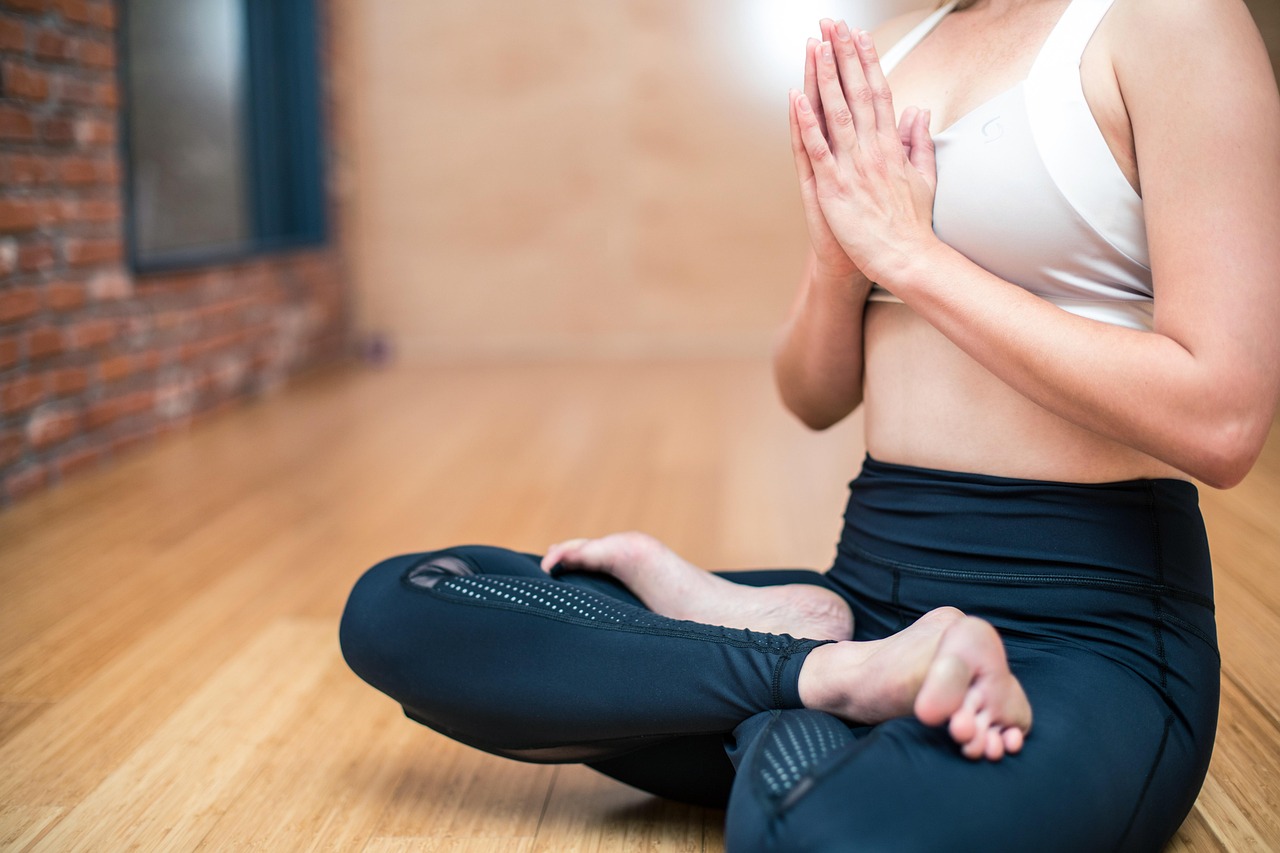

Core Strengthening for Improved Mobility and Flexibility
Core strengthening exercises are essential for enhancing overall mobility and flexibility. These workouts target the muscles in your abdomen, back, and pelvis, creating a solid foundation for all physical activities. Improved core strength leads to better posture, reducing the risk of injuries during everyday movements and athletic activities. Incorporating core strengthening exercises into your fitness routine can lead to significant improvements in balance and coordination. This is particularly beneficial for active sports enthusiasts and individuals seeking to manage their weight. Furthermore, a strong core supports the spine, which can alleviate lower back pain. Research indicates that dedicated core training can also help enhance athletic performance in various sports, improving endurance and efficiency. Additionally, engaging in core exercises aids in the overall functionality of the body, allowing for smoother and more controlled movements. It is important to choose a variety of exercises, such as planks, bridges, and rotations, to challenge different core muscle groups and promote balanced development. Adequate strength in your core can also facilitate better biomechanical support, ultimately leading to a healthier lifestyle.
Core strengthening benefits are not limited to athletic populations; they apply to everyone. Having a strong core can contribute to easier daily activities, such as bending, lifting, and reaching, making this type of training a key factor in functional fitness. Beyond physical capabilities, improved core strength can also enhance mental well-being. As individuals progress in their training, achieving new capabilities can boost self-esteem and confidence. This sense of accomplishment can serve as motivation to continue engaging in healthy habits. For older adults, maintaining core strength becomes crucial in preserving independence and functionality. By continuing to strengthen their core, they can prevent falls or accidents while performing simple tasks at home. Moreover, a strong core can assist in rehabilitation after injuries by offering stability and support to weakened areas. Incorporating core workouts can vary in intensity and duration, making it adaptable for all skill levels, from beginners to advanced athletes. As you embark on a core strengthening journey, consistency and a focus on form will optimize the results and build a strong, stable foundation for all physical activities.
Relationships Between Core Strength and Flexibility
A common misconception is that core strengthening focuses solely on rigidity and stability, leading to reduced flexibility. However, these two components are intricately connected. Engaging in core exercises through dynamic movements can promote flexibility rather than inhibit it. Many core workouts involve stretching and range of motion, encouraging greater mobility within the body. Movements such as yoga and pilates integrate core strengthening with flexibility development, making them especially effective choices. These practices not only enhance core stability but also facilitate muscle elongation, resulting in improved overall flexibility. Developing both strength and flexibility simultaneously creates a well-rounded approach to physical fitness. When core muscles are strengthened, they provide support to other muscle groups, allowing for smoother movements and better posture. Furthermore, adequate flexibility prevents injuries by reducing muscle and joint tensions. This highlights that flexibility plays an essential role in maximizing core strength’s effectiveness. With a flexible core, individuals can achieve enhanced athletic performance while minimizing the risk of strains or pulls. Therefore, combining core strengthening and flexibility training in a fitness routine is critical for optimized results.
Moreover, core strengthening can significantly improve athletic proficiency in sports by integrating enhanced mobility and flexibility. Athletes rely on powerful, stable core muscles for peak performance, allowing better control over their bodies during fast-paced actions. Sports such as soccer, basketball, and gymnastics require exceptional balance and coordination, both rooted in strong core muscles. Continually delving into various core exercises can expose athletes to numerous engaging workouts that build strength while promoting flexibility. Adding exercises like Russian twists, medicine ball throws, and stability exercises can further challenge the core muscles while stimulating flexibility development. As core strength increases, athletes often experience sharper reflexes, quicker reaction times, and heightened agility, essential qualities in competitive sports environments. Additionally, improved flexibility ensures that athletes can navigate quickly without risking injury, allowing the body to respond efficiently to dynamic movements. As a result, there is a symbiotic relationship between core strength and flexibility within athletic training. Coaches and trainers should emphasize integrating core workouts into regular routines to create durable and versatile athletes. The benefits are clearly multifaceted and demonstrate the importance of a balanced approach to training.
Implementing Core Strengthening in Daily Routines
Incorporating core strengthening into daily routines does not require extensive time or specialized equipment. Simple exercises can be seamlessly added to your regimen, maximizing your fitness without significant disruption. Consider implementing short core workouts during breaks at work, using your body weight for resistance. Planks, side planks, and seated leg raises can be performed virtually anywhere without requiring equipment. Developing a strong core enhances overall body strength, thus enabling easier execution of daily tasks like lifting grocery bags or engaging in recreational activities. You can also incorporate core work into traditional workouts, ensuring you maximally engage your core throughout various exercises. Performing exercises like squats, deadlifts, and even push-ups with a firm core will promote a more efficient movement. Additionally, scheduling specific core workouts two to three times a week can provide focused strength training. As your core becomes stronger, progressively increase the intensity or duration of your workouts, continuing to challenge your body. This adaptability ensures sustained interest and commitment to core strengthening. Whether at home or the gym, incorporating these key principles can enhance mobility and flexibility with minimal effort.
Furthermore, it’s vital to complement core strengthening efforts with proper nutrition and hydration. A well-rounded diet supports muscle recovery and overall body function, enhancing the results of your efforts. Fueling your body appropriately while prioritizing core building exercises will yield optimal performance. Focus on including lean proteins, healthy fats, and whole-grain carbohydrates in your nutritional regimen to provide the necessary energy and nutrients for muscle repair and growth. Hydration cannot be overlooked either, as it plays a crucial role in maintaining muscle function and reducing soreness post-workout. Adequate water intake can enhance overall physical performance, helping to sustain energy levels during your training sessions. Additionally, mindfulness practices such as deep breathing or yoga can help keep your body aligned and responsive, fostering natural movement patterns essential for flexibility and mobility. Listening to your body and understanding its needs through recovery and care will lead to long-term success in building core strength. With this comprehensive approach, enhanced core strength will improve your mobility and flexibility, ultimately contributing to your overall well-being.
The Importance of Consistency
The journey to improved core strength, mobility, and flexibility rests heavily on the principle of consistency. Regularly engaging in core strengthening exercises leads to incremental improvements, allowing you to witness tangible progress over time. Set realistic and achievable goals to maintain motivation and encourage continued commitment to your fitness journey. Tracking your progress can help reinforce initiatives and pinpoint areas needing additional focus. Additionally, consider participating in group classes or workout sessions with friends, as social interaction can be highly motivating. This community aspect fosters accountability and a shared environment where everyone can learn from one another. Staying engaged with your goals helps to establish a routine that prioritizes core strengthening exercises. Embrace challenges and remember setbacks are natural; resilience is a significant part of any fitness journey. Creating a supportive environment at home or with workout partners can help maintain your progress and ensure that you prioritize core workouts. Ultimately, by understanding the value of consistency and making core strengthening a priority, you can enhance overall mobility and flexibility while promoting a healthier lifestyle.
In conclusion, the tangible benefits of core strengthening in relation to improved mobility and flexibility cannot be overstated. As we engage in a variety of core exercises, it is critical to assess our individual needs, choosing those that resonate with our fitness levels. Responsibility for our core health lies in our hands, requiring commitment and dedication to see substantial results. Integrating core workouts into our daily routines can enhance not only physical performance but also self-confidence and quality of life. Everyone, regardless of age or fitness level, can benefit immensely from a focus on core strength. Maintaining a well-balanced approach that includes strength training, flexibility exercises, nutrition, and hydration will undoubtedly lead to a more holistic perspective on fitness. Ultimately, the connection between core strength, mobility, and flexibility highlights the intricate nature of our bodies and the importance of purposeful movement. As we embark on this journey, staying mindful and consistent will propel us towards an improved overall lifestyle. By prioritizing core strengthening, we unleash the potential for greater flexibility and mobility, enriching our lives with improved performance and reduced chances of injury.