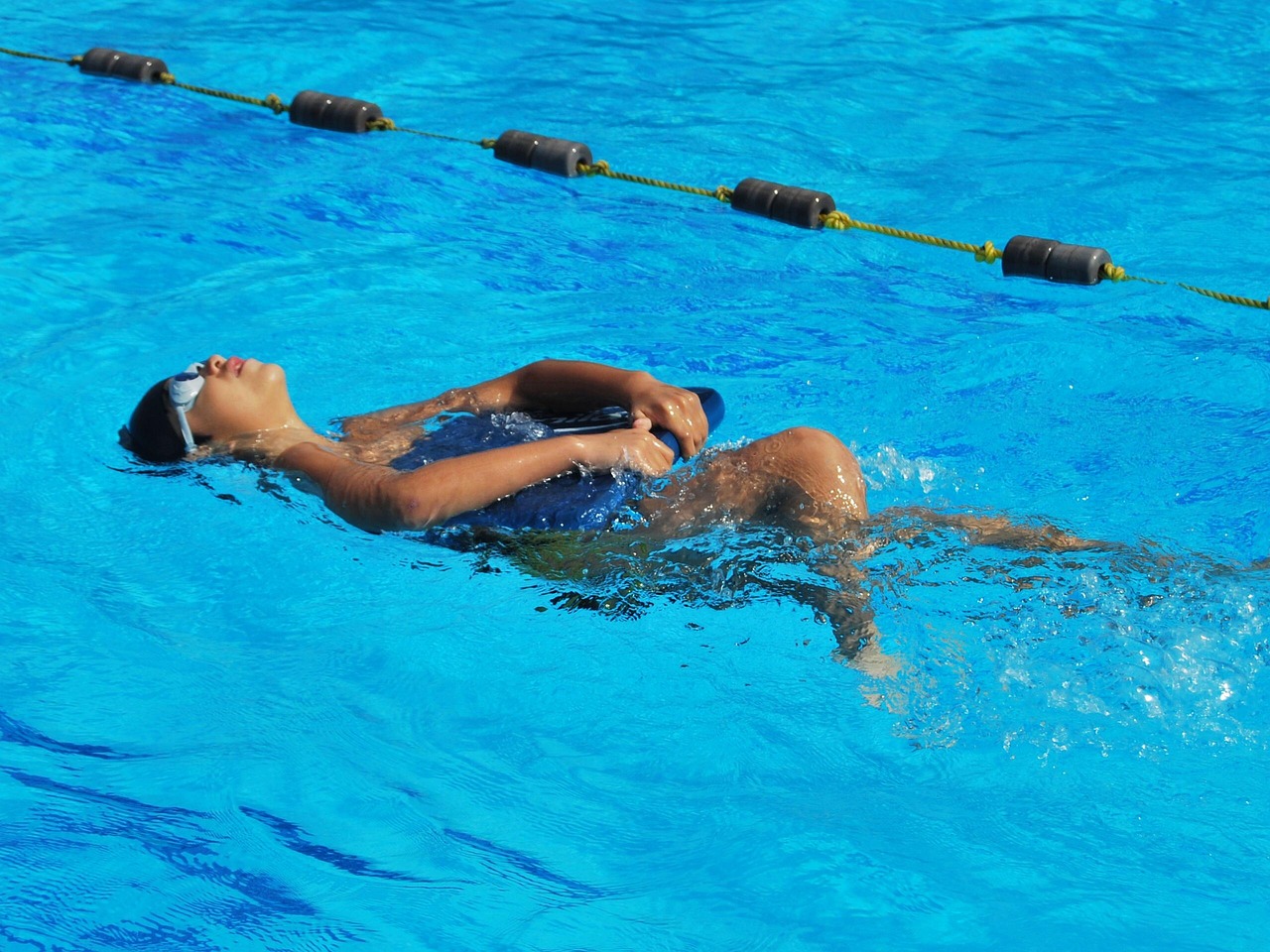

Benefits of Swimming for Kids and Teens: Building Strength and Confidence
Swimming is a fantastic exercise for kids and teens, engaging multiple muscle groups at once. This full-body workout enhances strength and flexibility, effectively promoting overall physical health. Regular swimming helps in developing crucial muscle tone, as it utilizes the arms, legs, and core simultaneously. Parents often encourage this activity because of its numerous benefits, including improved cardiovascular fitness. This low-impact exercise is easy on the joints while being highly effective in building endurance. Incorporating swimming into a child’s routine can greatly contribute to a healthy lifestyle, instilling good habits from an early age. Swimming also serves as an excellent way to develop discipline, as regular practice and swimming lessons require commitment. Moreover, it fosters social interactions among peers, allowing kids to build friendships and work together in team relay events. Many swimming clubs and schools offer lessons specifically tailored for young swimmers, ensuring safety and proper technique. Kids who swim regularly often find themselves more confident when participating in competitive events, leading to personal growth and resilience. Parents should promote swimming as a vital component of their children’s fitness regimen for these myriad benefits.
Enhancing Mental Wellbeing Through Swimming
Engaging in swimming not only strengthens bodies but also benefits mental health. Physical activity, including swimming, releases endorphins—the “feel-good” hormones—which can help alleviate stress and anxiety. For many kids and teens, this enjoyable activity becomes an essential outlet for pent-up energy, allowing them to unwind. Through swimming, young swimmers learn valuable coping skills that contribute to emotional resilience. This form of exercise encourages teamwork and camaraderie, enhancing friendships with peers. These positive social interactions directly impact their ability to handle life challenges more effectively while boosting their self-esteem. Children often feel more confident after mastering new swimming techniques or achieving personal records, reinforcing a positive self-image. Furthermore, swimming enhances focus and concentration, essential skills for academic success. The rhythmic nature of swimming can also promote mindfulness, allowing children to be present in the moment. Many young swimmers report feeling a sense of accomplishment and control after completing their swimming sessions. Therefore, swimming functions as an engaging way to support mental wellness, making it a crucial activity for healthy childhood development.
Swimming also offers a unique opportunity for children to develop essential life skills. The discipline required to attend lessons regularly cultivates responsibility in kids and teens. Furthermore, swimming teaches respect for water safety; understanding how to swim can significantly lower the risk of drowning. Swim lessons emphasize proper techniques, ensuring children know how to navigate various water conditions safely. This empowerment is invaluable, as swimming proficiency promotes confidence in aquatic environments. By participating in swimming competitions, young athletes learn to set achievable goals and celebrate successes. The competition fosters resilience, helping them cope with losses gracefully. Through consistent participation in training, kids build a strong work ethic, better preparing them for the challenges they may face in other aspects of life. Competitive swimming often requires time management skills to balance practice, schoolwork, and social life. As they navigate these responsibilities, young swimmers learn to prioritize tasks and manage stress effectively. Overall, swimming cultivates numerous skills that extend beyond the pool, equipping children with tools that will serve them well throughout their lives.
The Importance of Proper Technique
Understanding swimming techniques is crucial for maximizing its benefits. Proper form not only enhances efficiency in the water but also minimizes the risk of injury. During swimming lessons, instructors emphasize correct stroke techniques while illuminating the importance of each movement. Children learn to execute various strokes, such as freestyle, breaststroke, and butterfly, ensuring balanced muscle engagement. These lessons promote a strong foundation, preparing young swimmers for more advanced training or competitions. Mastering breath control is another vital aspect taught, assisting swimmers in maintaining stamina throughout longer distances. Proper breathing techniques allow kids to remain relaxed while increasing their overall speed and efficiency. Additionally, practicing starts, turns, and finishes is essential for competitive swimming. Learning how to execute these techniques correctly can significantly enhance race performance. Coaches often introduce drills to build muscle memory and improve technique over time. Encouraging kids to apply feedback from coaches is an excellent way to motivate them to succeed. With continued practice, they gain a better understanding of body movements in water, leading to increased confidence and safety while swimming. Ensuring they are taught the right techniques is vital as they grow as swimmers.
The physical and psychological advantages of swimming contribute significantly to children and teens developing healthy habits. Parents play a pivotal role in encouraging this activity. By introducing swimming lessons early, kids are more likely to develop a genuine affinity for water-related sports. Participation in swimming classes can create opportunities for team enrollments, making it easier for children to establish friendships. As they improve their skills, they become more active in related communities, fostering lasting connections. Parents should be proactive in making swimming a routine part of their children’s lives, scheduling regular sessions throughout the week. Whether at a local pool or a community center, they should emphasize the importance of maintaining these habits. Social interaction during swimming lessons introduces kids to peers interested in the same activities. Also, local swim meets can serve as a great introduction to competitive swimming, providing exposure to various levels of athleticism. Through these experiences, children can discover where their interests lie, leading to long-lasting passions. Parents should stay engaged and supportive, attending events and cheering for their children, further motivating them to excel in swimming.
Overcoming Challenges Through Swimming
Swimming offers a unique opportunity for kids and teens to confront challenges, teaching perseverance and resilience. Young swimmers often face hurdles, whether mastering a new stroke or overcoming fear of deep water. At times, these initial hurdles can seem daunting, but with persistence and support, they learn to overcome them. Instructors often encourage a growth mindset, reminding young swimmers that improvement takes time and effort. When kids experience breakthrough moments in the pool, it boosts their self-esteem dramatically. Facing fears allows them to cultivate a sense of accomplishment that becomes a cornerstone of personal development. Moreover, the camaraderie built among teammates provides crucial support during tough times. Together, they celebrate achievements or motivate each other to push through challenges. Engaging in this supportive environment nurtures bonds that can last a lifetime. Building relationships through teamwork helps kids develop communication skills and empathy for others. These qualities carry over into their daily lives, enriching their emotional intelligence and preparing them for future challenges. With time, young swimmers realize that the challenges they face in the pool mirror those in life, helping them grow stronger and more resilient as individuals.
In conclusion, swimming is an incredible activity that brings numerous physical and emotional benefits to kids and teens. From building strength to enhancing mental health, swimming offers lasting advantages for young individuals. The skills acquired in the pool extend to other areas of their lives, including academics and social interactions. Parents should recognize the importance of incorporating swimming into their children’s fitness routines, as it promotes well-rounded development and resilience. This fun and engaging activity encourages children to form lasting habits that will benefit their overall well-being. Furthermore, swimming serves as a platform for establishing relationships and building teamwork skills essential for future success. Enabling young swimmers to confront their fears while celebrating achievements ensures a positive and enriching environment. With dedicated instruction and encouragement, kids will continue to thrive both in and out of the pool. Engaging in swimming fosters a sense of accomplishment that strengthens character and instills lifelong lessons. Ultimately, the journey of becoming a proficient swimmer is filled with growth, friendship, and resilience, laying a strong foundation for a healthy, active lifestyle.
Join the Swimming Community
Encouraging kids and teens to join swimming clubs or classes can help them flourish within the swimming community. This environment nurtures connections with peers, promotes wellness, and encourages participation in aquatic activities. Swimming communities often offer opportunities for young athletes to compete and showcase their skills, thus providing visibility and recognition for their efforts. Establishing these connections early can create a foundation for lifelong friendships as they bond over shared interests. Additionally, participating in events such as swim meets fosters a sense of unity and belonging among teammates. Coaches often foster a supportive atmosphere that promotes collaboration and friendly competition, enhancing the overall experience. As young swimmers progress through the ranks, they become more engaged in their training, discovering their potential along the way. The swimming community encourages ongoing development through workshops, swim camps, and social events that help young athletes enhance their skills while having fun. Parents should support their children’s involvement by attending events and cheering them on, providing the motivation needed to continue in their swimming journey. Ultimately, becoming part of the swimming community provides kids and teens with lifelong benefits that extend beyond the sport.