
The Psychology of Movement: Integrative Approaches in Fitness
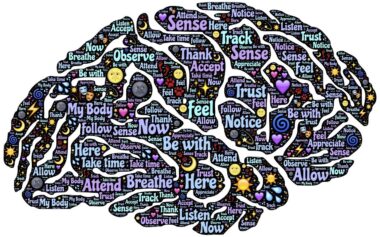
The mind-body connection is a crucial component of integrative medicine, particularly in fitness and movement practices. It emphasizes how psychological states influence bodily health and physical performance. As fitness enthusiasts, recognizing this connection can significantly enhance workout efficacy and overall well-being. Various techniques are now employed to foster this connection, including mindfulness practices, breath work, and movement therapies. The objective is to harmonize physical activities with mental wellness, leading to more fulfilling experiences. This integration of emotional, mental, and physical states cultivates a holistic approach to health. Furthermore, each individual’s psychological responses differ, allowing for tailored fitness plans. In this context, understanding one’s motivations, fears, and goals is vital. Fitness regimens that encompass these aspects often yield better engagement and results. Incorporating movement-based mindfulness practices creates an opportunity for self-reflection and emotional healing. Activities like yoga or tai chi embody this philosophy, balancing physiological benefits with emotional stability. The progressive exploration of this approach in fitness is gaining momentum as more individuals discover the benefits of a comprehensive mind-body practice. Adopting this philosophy promotes a more sustainable and enjoyable fitness journey.
Emotional Resilience Through Movement
Integrative medicine highlights the role of emotional resilience in achieving fitness goals. Various studies indicate that engaging in regular physical activity enhances emotional stability and resilience. This resilience is built through consistent movement patterns that not only strengthen the body but also fortify the mind. In fact, as people challenge their physical limits, they simultaneously build their mental toughness. This duality creates an environment where coping skills can flourish, preparing individuals for unexpected life stresses. When participating in group activities, such as team sports or fitness classes, social support further enhances this transformational process. The sense of community fosters shared experiences, shared struggles, and triumphs. Emotional growth and resilience can be cultivated through nurturing relationships formed around movement practices. Moreover, engaging in mindful movement workouts, such as Pilates or dance, encourages the exploration of personal boundaries and self-expression. Individuals find power in understanding their emotional triggers during these activities, leading to improved self-awareness. By connecting with one’s body, there is potential for development in both fitness and emotional wellness. Hence, embracing movement as a tool for emotional growth represents a powerful component of integrative medicine.
The role of intention in movement practices cannot be overlooked when discussing mental connection and physical fitness. Setting intentions before exercise creates a focused mindset and increases motivation. This process encourages individuals to reflect on personal aspirations and ensures that workouts align with these goals. Utilizing a variety of fitness approaches can make this practice meaningful, allowing for adjustments based on emotional and motivational fluctuations. For instance, one might incorporate yoga for increasing mindfulness of bodily sensations or resistance training for building self-confidence. Understanding personal needs expands the range of movement options to explore. Fitness plans should consider attitudes toward exercise to facilitate long-term commitment. Integrative approaches in fitness recommend blending physical workouts with mental exercises, such as visualization and affirmation practices. Engaging both mind and body can unlock potential and enhance overall performance. In this way, every workout becomes a journey, connecting personal development with physical progress. By consciously aligning actions with intentions, individuals can make their workouts an avenue for self-discovery, empowerment, and growth. Embracing a mindset that recognizes this interplay is paramount for sustained success in fitness and wellness.
Breath and Movement: The Core Connection
Incorporating breath techniques into movement practices serves as an essential bridge between mind and body. Proper breathing optimizes physical performance and establishes a steady focus on mindfulness. Many integrative approaches advocate for synchronized breathing with movement, as it deeply enhances the mind-body connection. For instance, during aerobic activities, intentional breathing increases oxygen flow, thereby energizing both body and mind. This leads to a more enhanced sense of awareness during exercises, allowing participants to tune into their physical and emotional states. Practicing such techniques can also result in reduced anxiety, tension, and stress. Additionally, enhancing breath control during workouts establishes a deeper connection with one’s body, promoting improved posture and alignment. Moreover, mindful breathing heightens appreciation for every moment spent in activity. Whether during yoga, Pilates, or even high-intensity workouts, aligning breath with movement creates a holistic approach to exercise. This connection invites individuals to focus on their intention, driving mindfulness and engagement. Ultimately, embracing breath as a significant component of fitness practices fosters a deeper understanding between physical exertion and emotional balance.
Understanding the influence of mental states on physical performance highlights the importance of integrating psychological principles into fitness. Strategies such as cognitive behavioral therapy and visualization have been effective in enhancing athletic performance. These techniques work by reshaping negative thought patterns and fostering a positive mindset in athletes as well. Visualization, in particular, enables individuals to mentally rehearse movements, resulting in improved execution during physical activities. By integrating mental rehearsals into daily routines, athletes can reach their potential with greater ease. Similarly, establishing routines that prioritize mental health has shown significant benefits in fitness. Rest, healthy nutrition, and strong sleep hygiene are all important factors that contribute to optimal performance. The mind’s clarity and focus are crucial, especially when approaching challenging workouts. As such, integrating mindfulness into daily routines enhances the psychological preparation needed for workouts. Thus, it’s essential to create an environment that prioritizes emotional intelligence alongside physical training. By supporting mental health in conjunction with physical fitness, individuals achieve holistic well-being, enhancing their experiences and outcomes in all fitness endeavors. Ultimately, establishing this balance between mental and physical regimes can lead to lasting success.
A Holistic Fitness Approach
Adopting a holistic approach to fitness encompasses a diverse range of practices that blend physical exercise with emotional and psychological well-being. Rather than isolating physical training sessions, this perspective encourages individuals to view fitness as a dynamic interplay of multiple elements. Group activities, such as dance classes or martial arts, offer opportunities to nurture both community ties and emotional growth. These interactions strengthen bonds and enhance mental adaptability, impacting overall life quality. Furthermore, the incorporation of various movement forms promotes inclusivity and ensures that individuals can identify activities that resonate with their preferences. By understanding personal interests, individuals can choose classes that align with their emotional and physical needs. The combination of different movement modalities not only enriches the fitness experience but also fosters curiosity, exploration, and excitement. This approach allows for deeper self-discovery through fitness journeys as well. By being open to diverse practices, individuals can develop a lasting love for movement while discovering previously unseen potentials. Thus, it’s essential to embrace various dimensions of fitness to promote a sustainable, fulfilling lifestyle that prioritizes the mind-body connection.
In conclusion, the psychology of movement and integrative approaches in fitness emphasize the importance of the mind-body connection. Understanding how mental and emotional aspects influence physical abilities opens new pathways for personal growth. Engaging in fitness is not merely about physical appearance or performance; it’s also about emotional well-being and self-acceptance. The multifaceted nature of health signifies the need to prioritize this connection through various practices. Techniques such as breath control, visualization, and mindful movement bring awareness and understanding to the fitness journey. By cultivating this holistic mindset, individuals can immerse themselves in exercises that enrich their emotional health, ultimately leading to more sustainable success. Furthermore, the integration of community creates powerful support systems, enhancing accountability and motivation. Cultivating emotional resilience through movement builds a deeper connection with oneself, contributing to an improved quality of life. It is time to embrace these fundamentals and expand conventional fitness frameworks. Ultimately, prioritizing the mind-body connection promises a richer and more rewarding fitness experience, paving the way for healthier lifestyles and deeper connections.
As we continue to explore the intersections of psychology and movement, it’s crucial to recognize the transformative potential behind integrative medicine and mind-body therapies. By adopting approaches uniting thoughts and physical actions, fitness enthusiasts can transcend their limitations. Personal journeys flourish when focusing on emotional health, resilience, and physical movement. Strategies from diverse practices empower individuals to honor their unique paths, emphasizing the diversity of approaches suited to different needs and aspirations. The supportive environment created within fitness communities enhances connections between participants, allowing for shared progression and growth. Each member uplifts one another as they embrace their emotional experiences while engaging in physical activities. Through inclusivity and shared understanding, people can deepen their awareness of personal challenges, ultimately evolving within their fitness journeys. The multi-dimensional nature of integrative medicine positions fitness not merely as chore but as a lifestyle that promotes holistic wellness embracing both mental and physical aspects. Prioritizing the connection between mind and body nurtures well-being on various levels. This exploration emphasizes that the journey begins internally before it manifests externally, ultimately creating a more profound impact on overall quality of life.