
The Impact of Biofeedback on Gut Health and the Enteric Nervous System
Biofeedback is an emerging technique used to train individuals to control physiological processes by providing real-time feedback on bodily functions. This method plays an essential role in promoting gut health through a better understanding of one’s body. The gut, often referred to as the “second brain,” consists of a complex network of neurons known as the enteric nervous system (ENS). This system regulates various gastrointestinal functions, such as digestion, secretion, and blood flow, thereby influencing overall health. By utilizing biofeedback, individuals can enhance their awareness of bodily signals, allowing them to make informed choices that positively impact their gut health. The connection between the mind and gut is profound, and interventions that foster mindfulness can lead to improved digestive health. Studies show that people who practice biofeedback techniques report reductions in symptoms associated with gastrointestinal disorders, like Irritable Bowel Syndrome (IBS). Engaging in this practice leads to a more resilient digestive system, improving the quality of life for individuals facing chronic gut health issues.
Understanding the Enteric Nervous System
The enteric nervous system is a vital component of the autonomic nervous system and directly controls the gastrointestinal system. Comprised of millions of neurons, the ENS communicates with the brain, reflecting the bidirectional relationship between mental and gut health. This intricate network independently manages gut behaviors but also interacts with higher-level brain functions, creating a feedback loop that can affect mood, stress levels, and digestive efficiency. In essence, emotional and psychological stress can impact gut function significantly. Research has demonstrated that biofeedback techniques help individuals recognize when stress manifests in their bodies, particularly within the digestive tract. By utilizing practices such as diaphragmatic breathing or mindfulness meditation, individuals can learn to reduce tension and promote relaxation in the ENS. Such intervention improves the function of the gut, leading to better nutrient absorption and overall health. Successful biofeedback methodologies have shown promising results in managing conditions like chronic pain and depression, further elucidating the critical role of the brain-gut connection.
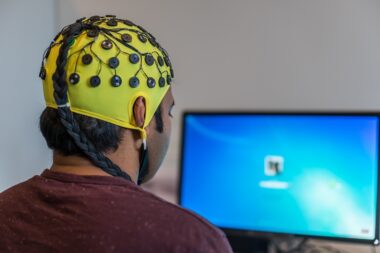
Investigating the various forms of biofeedback reveals the most effective approaches for promoting gut health. Common techniques include heart rate variability (HRV) training, electromyography (EMG), and thermal biofeedback. Each method has unique advantages and applications depending on individual needs and preferences. For example, HRV biofeedback is particularly beneficial for those experiencing stress-related gastrointestinal issues, as it helps patients develop greater control over physiological responses to stress. EMG biofeedback, on the other hand, can target muscle tension within gut regions and the core, encouraging a more relaxed state conducive to healthy digestion. Thermal biofeedback can be astounding in enhancing blood flow to the digestive tract, therefore improving nutrient distribution. The integration of emotional regulation techniques alongside these biofeedback methods allows users to address both mental state and physiological responses, creating a comprehensive approach to gut health management. Leveraging technology, individuals can access biofeedback devices and applications at home, making it easier to incorporate these practices into daily routines. In this way, the journey toward optimal gut health becomes accessible and manageable.
Research on Biofeedback and Gut Health
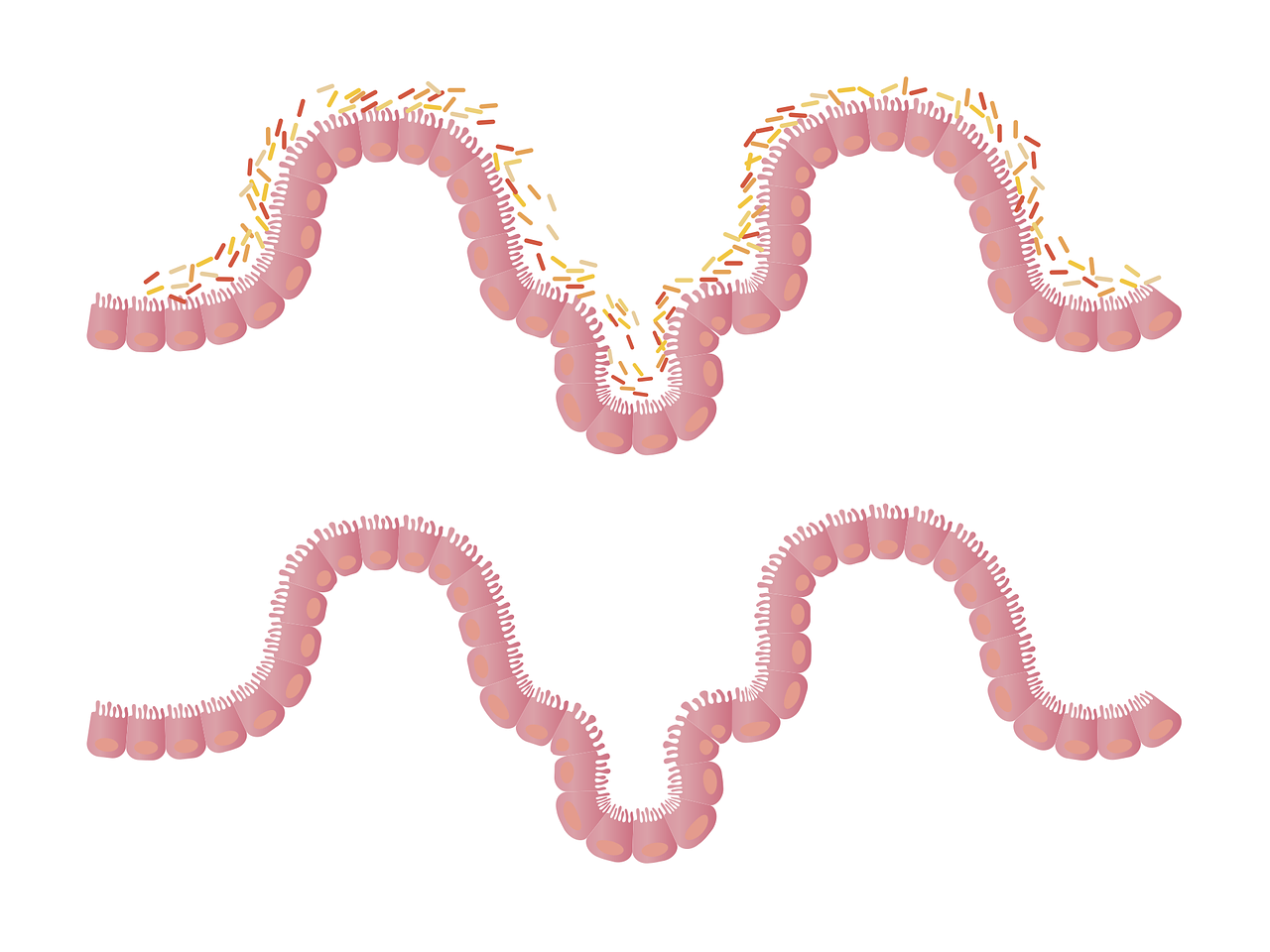
A body of research exists illustrating the potential impact of biofeedback on gut health. One study found that participants utilizing biofeedback techniques experienced significant reductions in gastrointestinal symptoms related to anxiety, such as bloating and discomfort. Additionally, studies suggest that these techniques can lead to improved nutrient absorption through reduced stress and enhanced physiological functioning. Notably, research also indicates an intimate connection between gut health and mental well-being. For instance, gut microbiota diversity has been linked to mood regulation and cognitive function. Through biofeedback, individuals can create a loop where reducing stress improves gut health, which, in turn, positively influences mental states. The role of practitioners familiar with both biofeedback and gut health is integral for providing guidance, especially when individuals may feel overwhelmed by self-directed practices. This collaborative approach promotes adherence to biofeedback protocols, increasing the chances of achieving tangible health benefits. Furthermore, integrating biofeedback into existing treatment plans for gastrointestinal disorders could revolutionize conventional approaches, fostering a more comprehensive understanding of patient care.
Cognitive-behavioral strategies often accompany biofeedback to enhance gut health. Cognitive restructuring, mindfulness-based practices, and positive affirmation can ease stress while improving an individual’s psychological state. This multidimensional approach helps patients better understand their emotional relationships to food and gastrointestinal symptoms, potentially facilitating dietary modifications that support gut health. Nutritional counseling becomes vital in conjunction with cognitive-behavioral approaches, as it can provide tailored recommendations based on individual needs. Clients might identify food sensitivities contributing to their gastrointestinal discomfort as they engage with these practices. Furthermore, aligning gut health-focused dietary changes with biofeedback training leads to heightened awareness of emotional eating triggers and cravings, thereby fostering healthier relationships with food. Additionally, continuous monitoring through biofeedback allows clients to gauge the impact of dietary choices on gut function, enabling them to make informed adjustments. Together, biofeedback and cognitive-behavioral strategies create a synergistic effect, empowering individuals to take charge of their health journey. Thus, blending psychological insight and physiological awareness can revolutionize the path toward sustained gut health.
Practical Applications of Biofeedback
The practical applications of biofeedback encompass a variety of contexts, allowing individuals to strengthen the mind-body connection across different platforms. Meditation apps, structured biofeedback programs, and wellness retreats are now more accessible than ever, forming a space where users can learn techniques to enhance their gut health. As more evidence surfaces illustrating the power of emotional regulation through biofeedback, practitioners can design personalized interventions that meet individual needs. Biofeedback can also be integrated into stress-reduction workshops, physical therapy programs, and wellness seminars. These sessions promote a better understanding of how the mind and body interconnect, enhancing overall health perceptions. Moreover, developing community support systems enables participants to share experiences and successes, motivating one another to commit to their biofeedback routines. Online forums and groups provide an opportunity for individuals to discuss their journeys, sharing tips to effectively use biofeedback for gut health. Social connections can profoundly impact stress and overall well-being, creating an encouraging environment where personal growth thrives.
In conclusion, the impact of biofeedback on gut health proves essential in fostering a deeper understanding of the mind-body connection. By harnessing the power of recognition and training, individuals can profoundly influence their gut health through conscious physiological changes. The ENS plays a crucial role in supporting digestive functions and reflecting one’s emotional state, highlighting the importance of focusing on enhancing this connection. With robust evidence supporting the benefits of engaging in biofeedback practices, individuals dealing with gastrointestinal challenges can find relief amidst the uncertainty. Recognizing the multifaceted nature of gut health allows for comprehensive growth, addressing both physiological and psychological aspects. This integrative method empowers individuals to take charge of their health, armed with knowledge and tools that facilitate personal transformation. Ultimately, biofeedback creates a dynamic approach to personalized health, leading to better digestion, stress management, and enhanced overall well-being. While further research is necessary, the intersection of biofeedback and gut health promises an exciting frontier for individuals aiming to improve their quality of life.
Utilizing state-of-the-art technology to enhance awareness of bodily signals fosters a deeper understanding of the interplay between mind and metabolic functions. Leveraging data from biofeedback devices can refine individual approaches to achieving optimal gut health. Incorporating biofeedback into wellness strategies leads to a holistic transformation involving the mind and body, resulting in numerous therapeutic benefits. Now that awareness regarding the direct correlation between gut health and emotional connectivity is growing, integrating biofeedback into conventional treatments can yield powerful results. By reinforcing this approach through self-awareness and monitoring, individuals are empowered to take an active role in their health journeys. As scientific exploration advances, we can further understand the remarkable implications of biofeedback for enhancing gut health. This integrative approach combines ancient wisdom and modern technology to foster a sense of balance and vitality. Therefore, prioritizing mental well-being aids the digestive system, embodying the significance of the mind-body connection for holistic health improvements.