
The Best Supplements for Older Adults Staying Fit
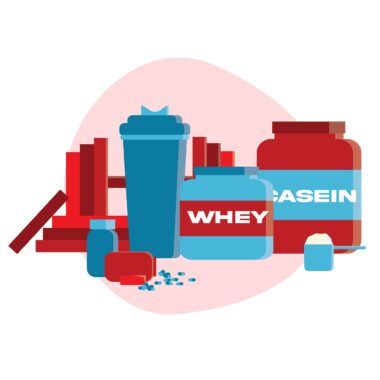
As we age, maintaining physical fitness becomes increasingly important to ensure overall health and well-being. One strategic approach to support these fitness goals is through the use of dietary supplements. For older adults, there are certain supplements that can be particularly beneficial. These include multivitamins designed specifically for seniors, which provide essential vitamins and minerals that may be lacking in their diet. Omega-3 fatty acids are another fantastic option, as they support joint health and may improve cardiovascular function. Protein supplements, such as whey protein or plant-based proteins, can help preserve muscle mass which often declines with age. Another compelling choice is Vitamin D, particularly for those with limited sun exposure, as it plays a significant role in bone health. Additionally, antioxidants, such as CoQ10 or grapeseed extract, assist in combating oxidative stress. Probiotics also merit attention for their ability to maintain gut health. As always, consulting a healthcare provider before adding new supplements to a routine is paramount. This ensures choices are safe and align with individual health needs.
Essential Wellness Boosters
When it comes to supporting immune function and overall health, older adults might benefit from specific wellness booster supplements. Elderberry supplements, known for their immune-supportive properties, have gained popularity and found relevance in the context of seasonal upper respiratory concerns. Furthermore, curcumin, the active compound in turmeric, offers anti-inflammatory benefits that can alleviate discomfort from chronic inflammation. Likewise, ginger can serve as a natural anti-inflammatory, providing support for digestion and immune strength. Glucosamine and chondroitin supplements can significantly improve joint health, aiding those who experience discomfort during physical activities. Older adults may also want to consider magnesium, as it contributes to muscle function, bone health, and may even improve sleep quality. Vitamin B12 is critical too, as it supports nerve function and the production of DNA and red blood cells. Adaptogens like ashwagandha may also help reduce age-related stress and cortisol levels. Overall, identifying supplements that complement a balanced diet can enhance health and vitality in older adults.
Incorporating any new supplement into a daily routine requires a thoughtful approach. Understanding the synergy between dietary habits and supplements is vital to maximizing their benefits. For instance, combining protein supplements with physical activity can significantly improve muscle recovery and growth. Similarly, taking multivitamins alongside meals can enhance nutrient absorption, ensuring that older adults achieve their daily nutrient requirements. Moreover, adopting a holistic approach that includes antioxidants along with a variety of fruits and vegetables can provide a robust defense against age-related decline. It’s essential for older adults to prioritise hydration, ensuring that water intake is sufficient to support overall health. Pairing a balanced diet with supplements can lead to improved energy levels and better overall fitness. Listening to one’s body and acknowledging how it responds to different supplements is crucial. It is also advisable to track any changes noticed upon incorporating a supplement to discuss during health check-ups. By being attentive to the body’s reaction, older adults can find what works best for them.
Understanding Dosage and Safety
Safety is a critical consideration when it comes to supplementation for older adults. It is essential to adhere to recommended dosages on supplement labels, as exceeding these dosages can lead to adverse effects. For instance, excessively high doses of fat-soluble vitamins, including Vitamins A, D, E, and K, can accumulate in the body and become toxic. Furthermore, due to possible interactions, it’s crucial to evaluate any current medications to avoid contraindications. Supplements like St. John’s Wort, for example, can affect the metabolism of various medications, potentially undermining their effectiveness. Consulting with a healthcare provider could help navigate these complexities and ensure selected supplements are both safe and beneficial. Regular blood tests can also help monitor nutrient levels and guide adjustments to supplementation as needed. Patients should always disclose all supplements they’re taking to their healthcare team to foster informed health decisions. Incorporating supplements into a fitness plan should always prioritize safety and a collaborative approach with health professionals.
Adoption of regular physical activity is equally vital in conjunction with supplementation. For older adults, engaging in moderate exercise routines can greatly boost the effectiveness of dietary supplements aimed at improving fitness levels. Activities such as walking, swimming, and resistance training can enhance mobility and muscle strength. Moreover, coupling supplements with a structured exercise regimen can magnify the positive impacts on bone density, cardiovascular health, and overall energy. It’s often recommended to incorporate a balance of aerobic activities and strength training for optimal benefits. Additionally, staying consistent with physical activity further supports joint health, which can be enhanced by glucosamine and chondroitin supplements. Planning activities that are enjoyable and accommodating of individual capabilities can further encourage regular exercise. Pairing this with a focus on flexibility, perhaps through yoga or stretching routines, promotes overall physical and mental well-being. Ultimately, the combination of a fit lifestyle complemented by appropriate supplementation can result in significant enhancements to quality of life for older adults.
Conclusion: Personalized Approach
In conclusion, it is essential to recognize that every individual’s health journey is distinct. Hence, crafting a personalized supplementation plan based on individual needs and lifestyle factors can maximize benefits. For older adults, this personalized plan includes considering existing health conditions, current medications, dietary preferences, and fitness goals. Older adults should necessarily consider their specific challenges and objectives. Whether the aim is to build muscle, enhance bone density or support immunity, various supplements exist to facilitate these goals. The aging process brings unique health considerations, and taking a proactive approach around nutrition and supplementation is beneficial. Engaging in ongoing conversations with healthcare professionals enables older adults to adapt their supplement intake based on evolving health needs. With the right balance of dietary supplements, exercise, and expert advice, many older adults can achieve improved fitness levels and lead healthier, more fulfilling lives.
Ultimately, the landscape of supplements for seniors is both extensive and vital. Awareness and education concerning aged-targeted supplements can empower older adults to make informed decisions. Remaining proactive about health and incorporating these aids thoughtfully can help manage age-related physiological shifts. Understanding your body’s responses to specific interventions can lead to a more tailored experience. Supplements like Omega-3, Vitamin D, and protein sources can significantly enhance quality of life and fitness. However, it is imperative to approach supplementation with caution, ensuring that choices made align with health goals and complement a balanced diet. As older adults navigate the maze of available supplements, they should remain open to alterations based on how their health evolves over time. Regular reviews of supplement routines with a healthcare provider can optimize safety and effectiveness. This dedication to wellness through continuous learning and adaptation will support the health journey of older adults in pursuing their fitness aspirations.
Finally, engaging with community fitness programs can also serve as a substantial support system for older adults. Whether it is attending classes or participating in group activities, being part of a fitness community creates accountability and motivation. Many local community centers or senior organizations offer specialized programs that incorporate exercise with social interaction. This helps bridge the gap between physical fitness and mental well-being by fostering relationships, enriching experiences, and reducing feelings of isolation. Participating in group settings can often motivate individuals to push their limits and explore new avenues of fitness. Supplementing this communal experience with personalized nutritional advice creates a holistic approach to wellness. Local groups may also host workshops that educate on dietary habits and safe supplementation practices which can empower seniors to take charge of their health. Reinforcing these connections enables older adults to remain engaged, active, and informed. Whether through online communities, fitness classes, or workshops, the experience cultivated within such environments endeavors to motivate older adults to remain dedicated to their fitness and health.