
The Benefits of Waterproof Wearable Devices in Adaptive Fitness
Waterproof wearable devices are revolutionizing adaptive fitness for individuals with disabilities. These innovative gadgets provide numerous benefits that enhance workout experiences significantly. First, they are designed to withstand exposure to water, ensuring users can train in various settings without fear of damaging their devices. This feature is especially advantageous for those who enjoy swimming or participating in water-based therapy. Additionally, waterproof wearables provide the freedom to track heart rate, calories burned, and activity levels, allowing users to have detailed insights into their health even while submerged. Moreover, these devices often come equipped with enhanced connectivity, enabling seamless integration with smartphones or tablets. This connectivity allows users to receive feedback and share progress with their trainers or caregivers. As a result, the combination of waterproofing and technology serves to motivate and encourage individuals to remain active and engaged in their fitness journeys. Further, the durability of waterproof devices instills confidence in users about their investment, knowing that they can trust the technology they rely on repeatedly. Overall, waterproof wearables represent a vital asset in adaptive fitness solutions, ultimately improving both physical health and wellbeing.
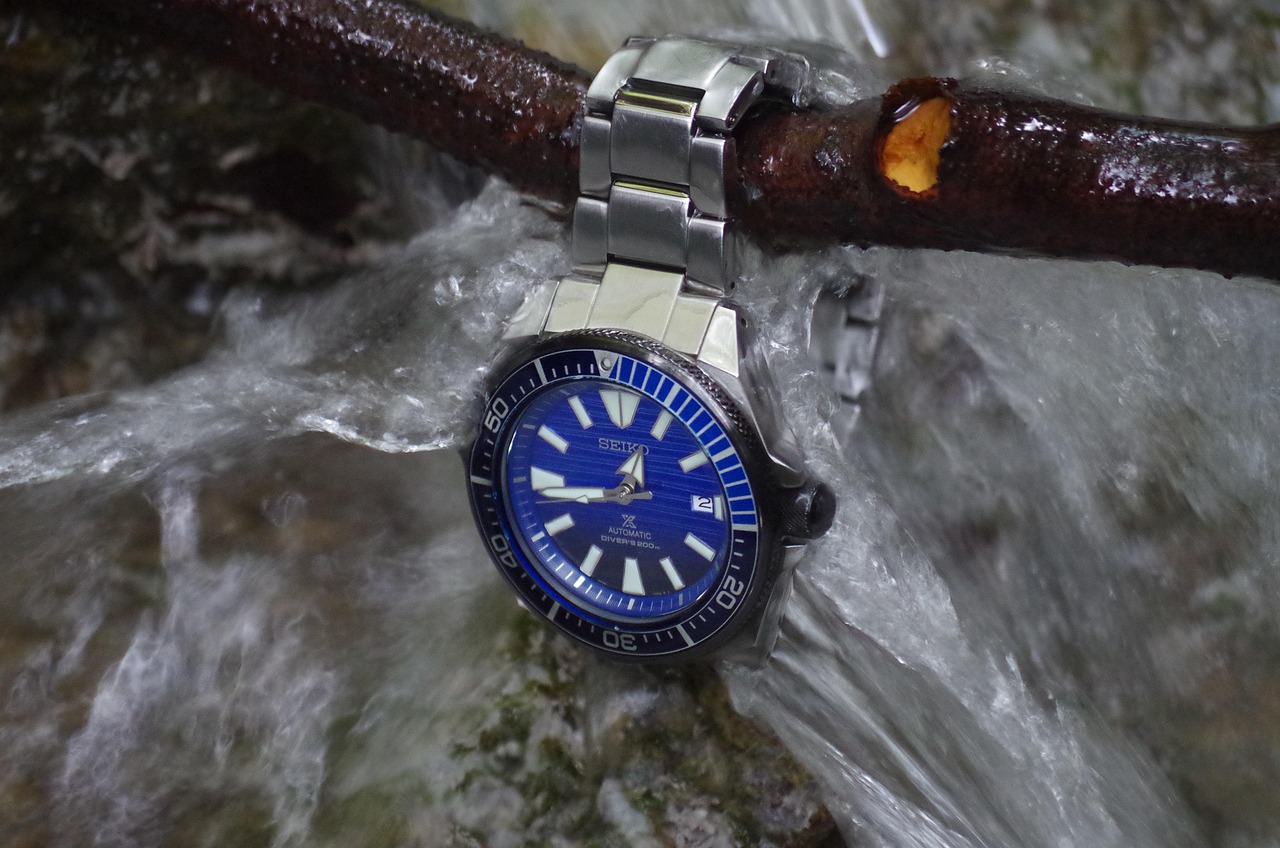
In addition to functionality, waterproof wearable devices enhance safety for users engaging in adaptive fitness. Users can exercise in different environments without the constant worry of their technology failing. Safety is paramount for individuals with disabilities, as physical challenges may be present when participating in water-based activities. The waterproofing ensures that devices can handle splashes or accidental immersion in pools or lakes, allowing for a more enjoyable workout experience. Moreover, many waterproof wearables include advanced safety features, such as alert systems that can notify emergency contacts or medical professionals in cases of distress. These functionalities enhance the overall sense of security, reassuring users as they navigate their fitness endeavors. A waterproof watch, for instance, can be invaluable, providing essential health metrics while swimming, thereby eliminating the need for multiple devices. This simplicity and convenience empower individuals to execute their exercise routines confidently, knowing they have reliable technology on their side. Consequently, people are more inclined to engage in consistent workouts, reinforcing a healthy lifestyle. Thus, the benefits of waterproof wearables strongly align with the objectives of adaptive fitness initiatives, ultimately leading to significant personal achievements.
Improving Engagement and Motivation
Another significant advantage of waterproof wearable devices is their ability to enhance user engagement and motivation. The combination of real-time data and attractive design encourages individuals with disabilities to pursue their adaptive fitness goals actively. Wearable devices often utilize gamification techniques, where users can set personal challenges and track their daily activities against targets. Such interactive features foster a sense of accomplishment that can drive users to stay consistent in their workout routines. Furthermore, many modern devices come equipped with community features, allowing users to share their progress and engage with others in similar situations, thereby creating social connections and support systems. These social elements can be particularly beneficial for individuals who may feel isolated in their fitness journeys. Additionally, visually appealing waterproof wearables often appeal to personal style, allowing users to express themselves through their devices. When individuals enjoy the aesthetics of the technology they use, they are more likely to wear it consistently, leading to improved health metrics and increased accountability. Overall, these factors contribute to higher engagement and motivation levels, translating into more effective adaptive fitness experiences for users.
Alongside improving engagement, waterproof wearable devices facilitate better health monitoring for individuals with disabilities. The capability to track important health metrics while swimming or exercising illustrates the versatility of these devices. Key metrics such as heart rate, distance covered, and sleep quality can all be monitored effortlessly, regardless of the environment. Accurate health data enables users and caregivers to make informed decisions about fitness plans and adjustments as needed. This precise tracking is crucial for users who may have specific health conditions requiring constant monitoring. Furthermore, the integration of wearable devices with apps allows for a comprehensive view of health over time, helping identify patterns or potential issues early on. Many wearables even support reminders for hydration or medication, ensuring users maintain optimal health standards during their workouts. This proactive approach fosters a greater sense of autonomy by enabling individuals to take charge of their fitness journeys. Users increasingly feel more empowered to advocate for their health, resulting in a positive cycle of active participation in workout regimens and balanced lifestyles. Thus, waterproof wearables offer more than entertainment; they promote essential self-awareness and health management.
The Impact on Specific Activities
Waterproof wearable devices play a pivotal role in enabling individuals to participate in specific water-based activities more confidently and effectively. Swimming is a prime example, where tracking lap counts, stroke techniques, and swimming speed can significantly enhance training. By monitoring various metrics, users can gain insights into their swimming techniques and identify areas for improvement. This data is vital, especially for individuals striving to enhance their swimming capabilities as part of a fitness program. Additionally, in aquatic therapy settings, instructors can observe participants’ data from their waterproof devices, allowing for personalized guidance and modifications to their routines if necessary. Exercise in water can be particularly beneficial for individuals needing low-impact workouts, as water provides buoyancy and support while reducing strain on joints. Consequently, wearables designed for such activities empower users to engage fully while receiving immediate feedback, creating a comprehensive adaptive fitness experience. These practical applications illustrate the essential role of waterproof devices in facilitating active lifestyles, thereby supporting users in achieving their health and fitness goals more efficiently. Overall, these devices cultivate empowerment through informed participation.
Technology advancements continue to drive improvements in waterproof wearable devices, offering more sophisticated features and better performance. Users can today benefit from enhanced GPS capabilities, longer battery life, and improved waterproof ratings, making these devices even more efficient for fitness monitoring. For instance, many of today’s wearables boast ratings that allow use in deep waters, empowering users to engage in ocean swimming or deep diving. The integration of artificial intelligence also allows for personalized fitness advice and training programs tailored to meet individual goals. This level of customization is particularly beneficial for individuals with disabilities, ensuring that their unique needs and capabilities are taken into account as part of their fitness journey. Additionally, waterproof devices often sync with health applications, enabling comprehensive health management on a single platform. With such efficiency, users can monitor hydration levels, track nutrition, and manage fitness schedules seamlessly. Furthermore, advancements in health sensors can offer real-time feedback on physiological responses, facilitating a deeper understanding of physical limits. This evolution in technology represents a significant shift in how people with disabilities can engage with adaptive fitness, highlighting the critical role of innovation in enhancing quality of life.
The Future of Adaptive Fitness Technology
Looking ahead, waterproof wearable devices are poised to play an even more significant role in the adaptive fitness landscape. As technology continues to evolve, we can anticipate the incorporation of cutting-edge features that cater specifically to the needs of individuals with disabilities. Future innovations may include smart fabrics that monitor health metrics while providing comfort and flexibility. Advancements in communication technology may also lead to enhanced connectivity between wearables and health professionals, facilitating more immediate responses to health concerns during workouts. Moreover, integrating mental health support, such as guided mindfulness practices after workouts, may further broaden the benefits of wearables. This holistic approach to adaptive fitness is critical because it addresses not only physical health but also mental and emotional well-being. Additionally, as smart technology becomes more accessible, the affordability of these devices should improve, resulting in enhanced inclusivity in fitness. Increased availability would empower a greater number of users to benefit from waterproof wearables. Ultimately, the future of adaptive fitness technology looks promising, with waterproof devices at the forefront of driving a healthier, more accessible world for individuals with disabilities.
In conclusion, waterproof wearable devices are not just a trend; they are a vital tool for promoting adaptive fitness among individuals with disabilities. Their numerous benefits encompass aspects of safety, engagement, health monitoring, as well as providing essential motivation. These features enhance the overall fitness experience, allowing users to enjoy various activities while maintaining a focus on their health. As technology advances, we anticipate an even broader range of features designed specifically for adaptive fitness. Meeting diverse needs ensures that all individuals can benefit from fitness routines that address their unique challenges. The impact of waterproof wearables extends beyond mere functionality; they foster empowerment, encouraging users to take charge of their health outcomes confidently. With the right tools, individuals can achieve significant progress in their fitness journeys, leading to improved quality of life. Therefore, it is crucial for developers and fitness advocates to continue prioritizing the creation and distribution of advanced waterproof wearables. As they become increasingly integrated into adaptive fitness strategies, the potential becomes boundless. In the end, these devices are set to revolutionize how we approach fitness, leading to more inclusive and accessible opportunities for all.