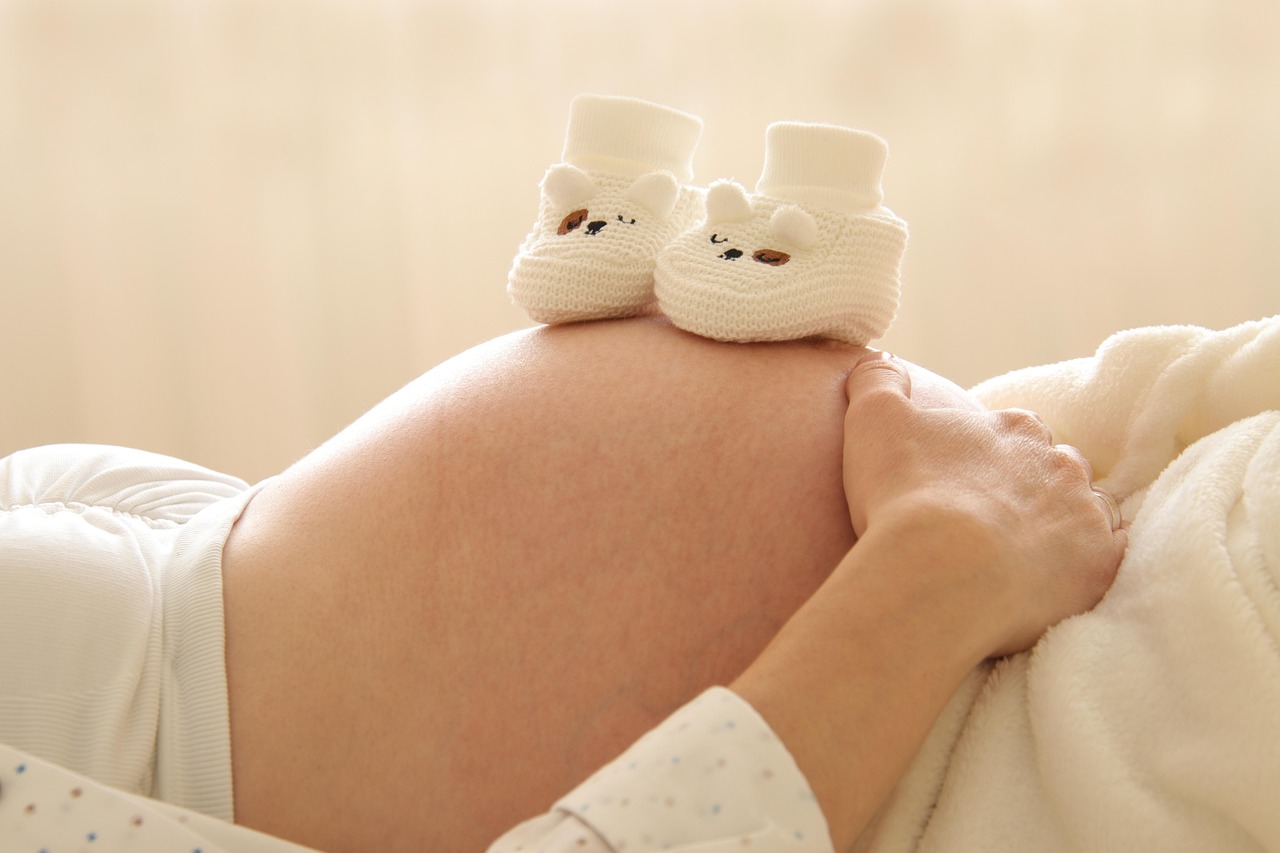

Supporting Mental Health with Keto Diets in Pregnancy
The journey of pregnancy is filled with various challenges, both physical and emotional. Among these, mental health can often take a backseat, especially when new mothers are adjusting to hormonal changes and the responsibilities of parenthood. Many studies suggest that certain diets, including the ketogenic diet, can play a significant role in supporting mental well-being during this period. A ketogenic diet, which is high in fats and low in carbohydrates, may influence brain health by stabilizing blood sugar levels and providing essential nutrients. When mothers follow this dietary plan, they might experience fewer mood swings and increased clarity of thought. Moreover, the keto diet emphasizes whole foods, which can further improve overall health by ensuring that mothers get the right nutrients for themselves and their growing babies. As experts advocate for the maintenance of mental health during pregnancy, integrating diet becomes crucial. Therefore, considering the keto approach not only aids in physical health but can be an essential component for mental well-being in pregnant women. This article explores various aspects of keto diets and their impact on mental health in pregnancy.
Pregnancy brings immense changes that do not just affect the body but also the mind. Postpartum depression (PPD) is a significant concern for new mothers, affecting emotional stability. Women who are supported through nutrition, including adherence to a keto diet, may reduce their risk of PPD. Research has shown that certain nutrients found in high-fat foods found on keto, such as omega-3 fatty acids, can significantly influence mood. These fatty acids are crucial for mental health, impacting neurotransmitter function and inflammation markers. Furthermore, ensuring nutrient density is important during pregnancy. Nutrient-dense foods provide more benefits for the mother and baby’s health, elevating energy levels and improving cognitive function. The keto diet emphasizes foods such as avocados, nuts, and fatty fish, which fulfill these requirements. Remember to consult a healthcare provider before starting any diet during pregnancy. Maintaining open lines of communication with medical professionals allows for dietary adjustments, ensuring both mom and baby are nurtured. By combining the right foods with prenatal care, mothers can achieve a healthy balance that promotes both physical and mental wellness throughout pregnancy.
The Benefits of a Keto Diet for Mental Clarity
One remarkable benefit of the keto diet during pregnancy is its potential for enhancing mental clarity. Ketogenic diets encourage the body to enter a state of ketosis where fat is utilized for energy instead of carbohydrates. This shift provides a more stable source of energy and can reduce fatigue, often felt during pregnancy. Consequently, pregnant women can experience improved focus and mental sharpness. Mental clarity is essential during pregnancy, as decision-making affects both personal and parenting choices. This boost in cognitive function can also help with managing stress and anxiety commonly associated with this transitional time. Instead of sugary snacks, which can lead to energy crashes, keto diets focus on high-quality fats and proteins. These nutrients serve as brain fuel, improving mood and enhancing the mother’s overall experience during pregnancy. Women interested in following a keto diet should aim for well-rounded meals, ensuring a balance of healthy fats, proteins, and low-carb vegetables. Being mindful of nutrient intake can further optimize mental function and fortify emotional resilience in expecting mothers, paving the way for positive parenting experiences.
While the discussion around diets during pregnancy can sometimes be controversial, the keto diet is gaining attention for its potential benefits. This diet is thought to minimize cravings often exacerbated by hormonal fluctuations, psychological stresses, and pregnancy-related nausea. By providing a consistent energy source, keto can stabilize mood and curtail negative influences on mental wellness. Reduced cravings for processed foods that are typically high in sugar can serve to decrease the incidence of mood swings characteristic of pregnancy. The emphasis on whole, unprocessed foods in a keto diet aligns well with the nutritional needs of pregnant women, ensuring that they do not compromise their mental health. However, pregnant women must also listen to their bodies and adapt their diets according to their specific experiences and wellness needs. Moreover, patience is key as women transition to a ketogenic approach. Implementing gradual changes can streamline the process, helping to avoid issues like fatigue or headaches from carbohydrate withdrawal. Overall, focusing on a nutrient-dense diet may lead to greater emotional stability, which is paramount for both the mother and baby.
Integrating Exercise with Keto for Better Mental Health
In addition to dietary changes, integrating exercise during pregnancy can significantly boost mental health, particularly when combined with a keto diet. Physical activity encourages the release of endorphins, the body’s natural mood lifters. Pregnant women benefit from safe and gentle exercises that suit their physical condition while complementing the nutrition they are receiving through keto. Activities such as walking, prenatal yoga, or swimming can enhance both physical health and mental well-being. A consistent exercise regimen, paired with the keto diet, can help manage weight gain and improve cardiovascular health while simultaneously alleviating anxiety and stress. Additionally, setting achievable fitness goals provides mothers with a sense of accomplishment. This can be especially uplifting during pregnancy. Pregnant women should consult health professionals for tailored exercise and nutrition plans to maximize benefits. This approach allows them to maintain mental clarity and wellbeing throughout their pregnancy. Establishing a balanced routine ensures that both mental and physical health remain a priority, fostering a more enjoyable and empowered pregnancy experience.
The keto diet can also have a profound impact on postpartum mental health when sustained after childbirth. As a mother transitions from pregnancy to parenting, a consistent nutritional strategy can aid in easing mood swings and anxiety. Recovering from the physical demands of childbirth can be enhanced by maintaining a nutrient-dense diet. Moreover, continuing to consume healthy fats and proteins after delivery can ensure adequate energy and mental clarity. New mothers often face sleep deprivation and exhaustion, making it vital to keep blood sugar levels stable. Using the foundational principles of the keto diet can empower mothers in their journey, giving them necessary mental fortitude. Studies indicate that a healthy diet can enhance the overall postpartum experience, providing emotional stability while navigating new challenges. It’s essential for mothers to continue involving their healthcare providers when making dietary adjustments, especially if breastfeeding. This integration of dietary and mental health practices provides a holistic approach that supports emotional wellbeing, essential for raising a healthy and happy baby post-pregnancy.
Conclusion: Embracing Keto for Holistic Mental Wellness
In conclusion, the ketogenic diet offers promising potential for enhancing mental health during pregnancy and beyond. By providing essential nutrients, reducing cravings, and stabilizing energy, this diet can positively impact the prenatal experience and postpartum recovery. It emphasizes the dynamic interconnectedness of physical health, mental clarity, and nutritional choices in shaping the pregnancy journey. A key aspect of successfully implementing the keto diet involves personalized adjustments based on individual wellness needs, consulting healthcare providers along the way. The journey of motherhood is as much about nurturing oneself as it is about nurturing a child. Embracing changes in diet and lifestyle fosters a positive environment to support not only oneself but also the baby. As more women explore alternatives like the keto diet to address mental health, the emphasis on personalized and holistic approaches becomes essential. This framework not only promises improved mental health but also creates lasting habits beneficial for generations to come. Ultimately, the keto diet can be a powerful ally, encouraging mothers to thrive through their pregnancy journeys while maintaining both mental and emotional strength.
Supporting mental health during pregnancy transcends traditional treatments, and diet is a crucial component of that support. By understanding the benefits of a keto diet, mothers can make informed choices that align with their health goals. This promotion of self-care through nutrition paves the way for a rewarding pregnancy experience. Integrating knowledgeable resources, maintaining a network of support, and prioritizing mental health in dietary decisions empower women to navigate the complexities of pregnancy. Overall, a collaborative approach ensures that expectant mothers have the tools they need to foster healthy environments for themselves and their children, thereby reinforcing a balanced approach to pregnancy.