
Spring Flexibility Routines to Enhance Your Fitness Journey
As the seasons change, it’s essential to adapt your fitness routine to the new environment. Spring brings warmer weather and revitalizes our motivation for physical activities. Focusing on flexibility becomes pivotal during this transition. Flexibility routines can significantly improve your athletic performance, balance, and overall well-being. In this article, we’ll explore various stretching exercises to help enhance your fitness journey this spring. Implementing consistent flexibility training can ease muscle tension and build resilience against injuries. This practice is not just beneficial for athletes but also for individuals seeking general physical fitness. Remember to listen to your body while practicing these routines, working gradually towards your flexibility goals. Warming up adequately before starting these exercises ensures safety and effectiveness. Always hold each stretch for adequate time, typically around 20-30 seconds. Exploring different routines can also keep your workouts interesting and enjoyable. Let’s dive into various flexibility exercises designed specifically for spring, aiming to invigorate your fitness regimen and promote a positive lifestyle.
Dynamic Stretching for Improved Flexibility
Dynamic stretching is an excellent starting point for enhancing flexibility as the weather warms up. This method involves active movements that promote flexibility and core stability, making it beneficial for overall fitness. Dynamic stretches can also serve as an effective warm-up before more rigorous workouts. For instance, leg swings, arm circles, and torso twists activate key muscle groups and improve range of motion. Include exercises such as high knees and walking lunges in your routine to further enhance mobility. Performing about 10-15 repetitions of each dynamic stretch can yield significant results. Join a local fitness class to make dynamic stretching more engaging and social. Mixing these exercises into your routine can significantly augment your overall fitness and flexibility. You may also consider using a resistance band to add a challenge or deepen your stretches. Increased flexibility ensures better performance in weightlifting, running, yoga, and various other sports. Remember, warming up your body prepares it for more challenging exercises. Always prioritize your safety by ensuring you don’t overstretch and maintain proper form during dynamic stretches.
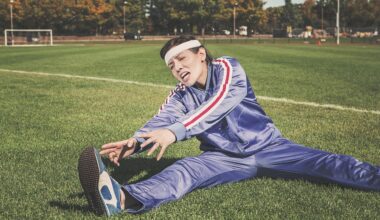
Static stretching is another vital component of enhancing your flexibility as the landscape blooms during spring. After engaging in vigorous workouts, your muscles require a cool-down period, and static stretching helps facilitate this process. This involves holding a stretch for an extended duration—typically 20 to 30 seconds—allowing the muscles to progressively lengthen without exertion. Focus on major muscle groups such as your hamstrings, quadriceps, back, and shoulders during your post-exercise routines. You might also consider incorporating PNF (Proprioceptive Neuromuscular Facilitation) stretches for deeper flexibility gains, which require assistance from a partner. Remember to perform static stretches gradually, breathing deeply throughout each hold to promote relaxation. Adding this technique enhances muscle recovery and reduces injury risks, making workouts more productive. Explore outdoor spaces this spring, allowing you to stretch in nature, which can be refreshing and stimulate your mood positively. Being outdoors can contribute to mental well-being. By taking time each day to perform static stretching, you’ll notice significant improvements in overall flexibility and prevent muscle stiffness.
Incorporating Yoga into Your Flexibility Routine
Yoga is a powerful practice that combines flexibility, strength, and mindfulness. As spring unfolds, incorporating yoga into your fitness routine can reap numerous benefits. Regularly practicing yoga not only enhances physical flexibility but also contributes to mental clarity and stress reduction. Various poses, such as downward dog, pigeon, and cat-cow, promote flexibility while improving body awareness. These poses can be adapted for all fitness levels, making yoga accessible to everyone. Schedule two to three yoga sessions each week to experience improved flexibility substantially. Utilize local studios or online classes to explore diverse yoga styles, including Hatha, Vinyasa, and Yin. Additionally, practicing yoga outdoors during spring amplifies its benefits, allowing nature to enhance your experience. Remember to focus on your breath during yoga as it guides your movements and aids relaxation. Sharing this practice with friends or family can also motivate you to include yoga consistently in your weekly routine. The holistic approach of yoga positively impacts your physical and emotional health, aligning perfectly with your seasonal fitness goals and aspirations.
Incorporating foam rolling into your flexibility routine is an effective way to alleviate muscle tension. Foam rollers help massage the fascia, which can become tight and restrictive over time. Regular use of foam rollers can complement your flexibility workouts, making them more effective. As spring beckons, consider dedicating 10-15 minutes post-workout to use a foam roller. Focus on areas that tend to hold tension, such as your quads, hamstrings, calves, and back. When rolling, apply gentle pressure, moving slowly to break up tight knots while allowing your muscles to recover. Additionally, you can follow up foam rolling with static stretching to maximize the benefits. This method not only enhances flexibility but also promotes overall muscle recovery after exercise. Engaging in a routine of foam rolling and stretching creates a balanced approach, equipping you with the tools necessary for enduring workouts. Because it’s a low-impact exercise, integrating it into your regimen is safe and beneficial. As the blossoms bloom, let foam rolling be an essential element of your spring fitness journey to unlock your flexibility potential.
Functional Movements for Flexibility
This spring, engage in functional movements to improve overall flexibility and mobility. Unlike traditional stretching, functional movements mimic everyday activities and help enhance flexibility through practical application. Exercises like squats, lunges, and even certain dance forms promote better movement patterns while increasing muscle pliability. By integrating functional movements into your routine, you prepare your body for activities such as climbing stairs, playing sports, and lifting items efficiently. Consider incorporating activities like dance or martial arts, which require diverse movements and can elevate your flexibility levels remarkably. Start by dedicating one day per week to focused functional movement exercises to gauge progress and adapt as needed. Moreover, engaging in group fitness activities can enhance motivation and camaraderie among participants. Many of these exercises can be performed at home or in a gym setting; thus, they are widely accessible. Emphasizing functional movements this spring ensures that your body remains agile, adapting seamlessly to daily demands. Becoming more flexible improves your performance and aids in reducing injury risks associated with physical activities.
Nutritional support plays a pivotal role in your flexibility training, especially during seasonal shifts. Proper nutrition ensures your muscles receive the essential nutrients necessary for optimal performance and recovery. A diet rich in fruits, vegetables, lean proteins, and healthy fats provides the building blocks needed for muscle growth and repair. Hydration is equally crucial; aim to drink sufficient water, particularly when engaging in flexibility routines that lead to perspiration. Anti-inflammatory foods like berries, leafy greens, and fatty fish can also support muscle recovery. Additionally, certain vitamins and minerals, such as magnesium and vitamin D, contribute to muscle function and flexibility. Include foods such as nuts, seeds, and dairy products in your daily meals. Combine nutrition with your flexibility routines, and you’ll notice improvements in overall performance and physical capability. Ensuring your body is fueled properly allows for more effective stretching sessions while promoting faster recovery times. As nature flourishes, let your nutrition choices reflect your commitment to health. Making mindful food choices this spring ensures a comprehensive approach to your fitness journey.
Conclusion: Embracing Flexibility for a Fulfilling Spring
As spring unfolds, embracing flexibility as part of your fitness routine offers many benefits, enhancing your physical and mental well-being. Incorporating diverse flexibility exercises promotes improved range of motion, muscle recovery, and overall physical health. Whether involving dynamic stretches, yoga, foam rolling, or a balance of nutrition, working on flexibility will greatly aid your fitness journey this season. Engage with your community by exploring group classes or outdoor activities to remain motivated. Consider setting specific flexibility goals for yourself, encouraging regular practice. Embracing this journey is about consistency; focus on small, progressive improvements. Keep your mind open to learning as you explore new exercises. Let each stretch serve not just as a performance-enhancer but also a moment of mindfulness, connecting your body and mind. Take advantage of the seasonal changes; use the vibrant environment to inspire your fitness regimen. Share your flexibility journey with friends, fostering a supportive environment. In conclusion, as you enhance your fitness journey this spring, prioritize flexibility as a cornerstone to achieve resurgence within your regime.