
Pre-Contest Dieting: What to Eat and What to Avoid
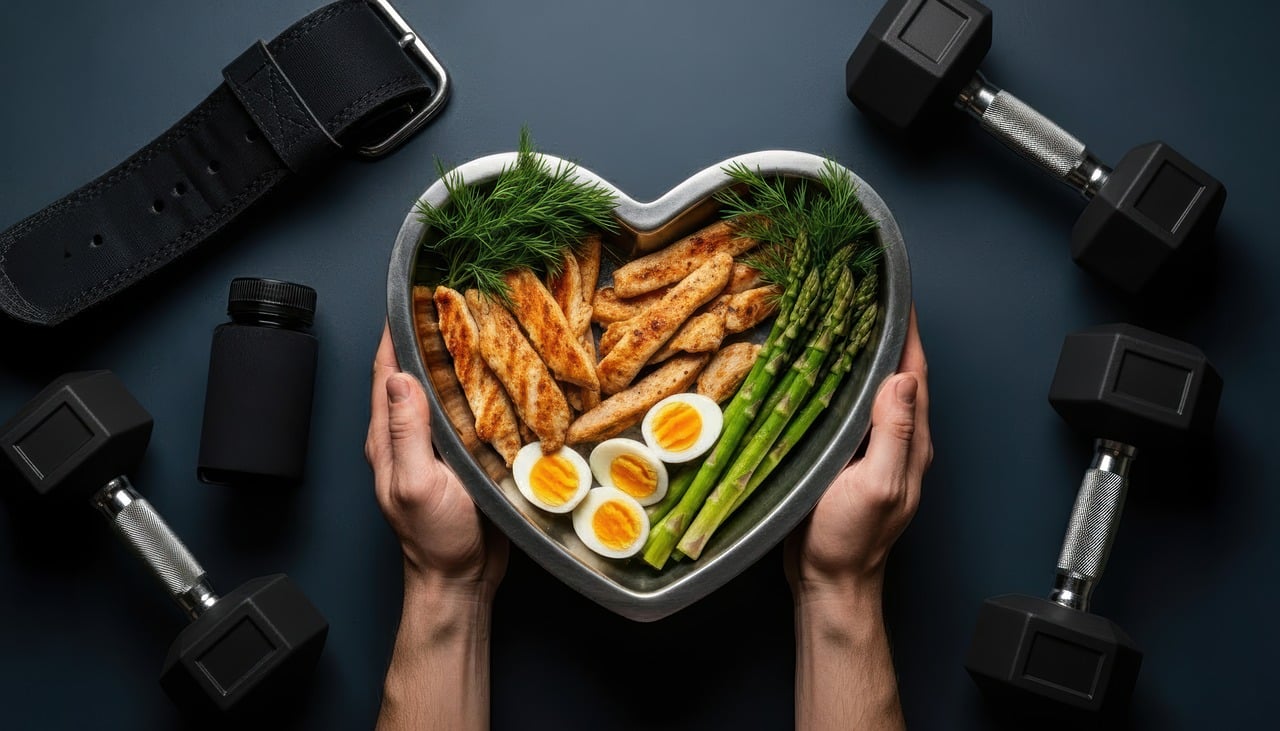
When preparing for bodybuilding competitions, understanding your diet is critical. A pre-contest diet focuses not only on fat loss but also on preserving muscle mass while achieving a shredded appearance. One core strategy is to control carbohydrate intake. Begin with a meal plan rich in lean proteins such as chicken, turkey, and fish. These foods help maintain muscle while increasing metabolic rate. Additionally, vegetables provide essential vitamins and minerals along with fiber, helping to feel full without adding excessive calories. More importantly, healthy fats, like those from olive oil, nuts, and avocados, should also be included. While these can be calorie dense, they play a crucial role in hormone regulation and energy levels. Lastly, hydration is vital; drinking ample water aids digestion and helps to achieve skin-tight appearance by flushing out toxins. To round it out, aiming for five to six smaller meals throughout the day can keep metabolism high. This also helps optimize energy levels and promotes muscle retention. Adapting this structured diet approach will ensure you’re well-prepared for peak performance on competition day. Remember, consistency is key to achieving the desired results.
Carbohydrates: The Double-Edged Sword
Carbohydrates are often seen as the enemy in a bodybuilder’s diet, but their strategic inclusion is essential in a pre-contest protocol. Depending on your metabolic state, you may need to manipulate carbohydrate intake. Initially, a moderate to high carbohydrate diet can be beneficial for energy and muscle fullness. However, as the competition nears, gradually decreasing the carbohydrate intake helps to dump excess water weight, refining muscle definition. It is also crucial to focus on the quality of carbohydrates consumed. Opt for complex sources like sweet potatoes, oats, and brown rice. These choices offer sustained energy release through their high fiber content. Conversely, simple carbohydrates—like sugary snacks or desserts—should be limited as they can lead to unnecessary fat gain and energy crashes. Post-workout, a quick-digesting carb source can help restore glycogen and facilitate recovery. Ultimately, the balance of carbohydrates will directly influence how you look on stage, so tracking daily intake and adjusting accordingly is a vital component of your competition preparation. Above all, careful monitoring can be the difference between winning and losing a competition.
Protein intake during the pre-contest period should be prioritized to maintain lean muscle mass. Bodybuilders often thrive on high-protein diets aiming for approximately 1.0 to 1.5 grams of protein per pound of bodyweight. Good protein sources include chicken breast, fish, turkey, tofu, and low-fat dairy. While many opt for protein shakes for convenience, ensuring whole food sources form the bulk of your protein intake is highly beneficial. Additionally, spacing protein evenly across meals helps support muscle repair and growth while fostering a positive nitrogen balance. Incorporating protein with every meal will also help keep hunger at bay, minimizing the chance of cravings for unhealthy snacks, particularly crucial when carbs are reduced. A common mistake is underestimating the importance of timing; consuming protein immediately after workouts aids muscle recovery. This practice helps rejuvenate glycogen levels and prevents muscle breakdown. While protein is fundamental to muscle preservation, an excessive intake can sometimes lead to unnecessary calorie consumption. Ensuring a balanced diet allows you to condition your physique, enhancing aesthetic appearance without sacrificing health or wellbeing. Proper protein management is key for achieving optimal results leading up to competition day.
Avoiding Unhealthy Fats
When gearing up for bodybuilding competitions, it’s just as important to know what to avoid as it is to know what to eat. Unhealthy fats should be eliminated from your pre-contest diet. These can be found in processed snacks, fast foods, and fried items, which can lead to increased water retention and hinder your weight loss goals. Instead, focus on healthy fats, which can help support metabolic processes. As mentioned earlier, sources like avocados, nuts, and fatty fish can provide essential fatty acids necessary for hormones boosting energy and recovery. But maintain moderation; even healthy fats can add up in calories quickly. Aim to implement a strategy that emphasizes clean eating, involving whole foods while minimizing sugar and salt intake. Processed foods not only have hidden sugars but can also diminish performance by containing additives harmful to your health. Being aware of food labels and ingredient lists is essential. Preparing your meals ahead of time can minimize the temptation of poor food choices. It creates a clear path to your desired physique by steering clear of unhealthy fats during critical pre-contest phases.
While the diet is crucial, some supplementation can help fill nutritional gaps. Protein powders, branched-chain amino acids (BCAAs), and essential fatty acids are popular supplements among bodybuilders preparing for competition. Understand that supplementation should not replace whole foods but rather complement a well-structured nutrition plan. Creatine monohydrate often helps enhance performance and strength during training, leading to better muscle retention. Additionally, vitamin and mineral supplements can provide assurance that you’re receiving adequate amounts of essential nutrients. This is particularly important when energy levels are low and calorie intake is restricted. Knowing that your body is still obtaining the necessary vitamins will alleviate nutritional concerns. However, always consult a healthcare professional before adding any new supplements to your regimen, as they will advise on the appropriate dosages for optimal results. Conduct thorough research on products to ensure you’re investing in quality supplements. In choosing the right supplementation, you can boost your performance and recovery, making it easier to achieve the ideal physique for competition. When prepared correctly, supplementation can give you an added edge as you approach the final stages of contest prep.
Hydration: Key to Success
Hydration is often overlooked but plays a pivotal role in pre-contest dieting. Maintaining proper fluid levels can dramatically affect performance, recovery, and aesthetics. Being hydrated ensures optimal muscle performance and maximizes energy output during workouts. While training, consider the type and amount of fluids consumed; factors such as the climate and individual sweat rate come into play when determining fluid needs. During competition prep, increasing water intake is advisable, especially in the week leading up to the event. This practice helps flush out toxins and encourages a clean, crisp appearance on stage. However, be cautious with sodium intake, as it impacts fluid retention levels. Gradually reducing sodium will help eliminate excess water from under the skin, enhancing muscle definition. Post-competition, however, maintaining hydration should not be neglected; your body requires fluids for recovery and overall health maintenance. Consuming electrolyte-rich drinks can replenish lost minerals during intense training or competition. As you approach showtime, carefully monitoring and adjusting your hydration levels is crucial to achieving the desired conditioning while avoiding the effects of dehydration. The balance of hydration becomes essential in elevating your competition performance.
Finally, consistency is vital throughout your pre-contest diet. This strict dietary regimen extends beyond meals; commitment to quality food choices must remain the focus to achieve optimal results. Remember that preparation is the cornerstone of success in bodybuilding competitions. Planning your meals, setting tracking goals, and regularly monitoring progress will help pinpoint areas for improvement. Share your challenges and triumphs with others in the bodybuilding community for insight and motivation. A support network can keep you accountable and inspired during your journey. Most competitors experience mental and physical challenges, particularly as the competition date approaches, so finding ways to stay motivated is essential. Adjusting your strategy might be necessary based on progress feedback to ensure you stay on track. Remember to celebrate small victories at each stage of the process, as they contribute to the overall success on competition day. While the final goal is to walk confidently on stage, every meal and workout contributes to that moment. With discipline, perseverance, and a solid understanding of your pre-contest diet, it’s possible to achieve outstanding results and shine in bodybuilding competitions.