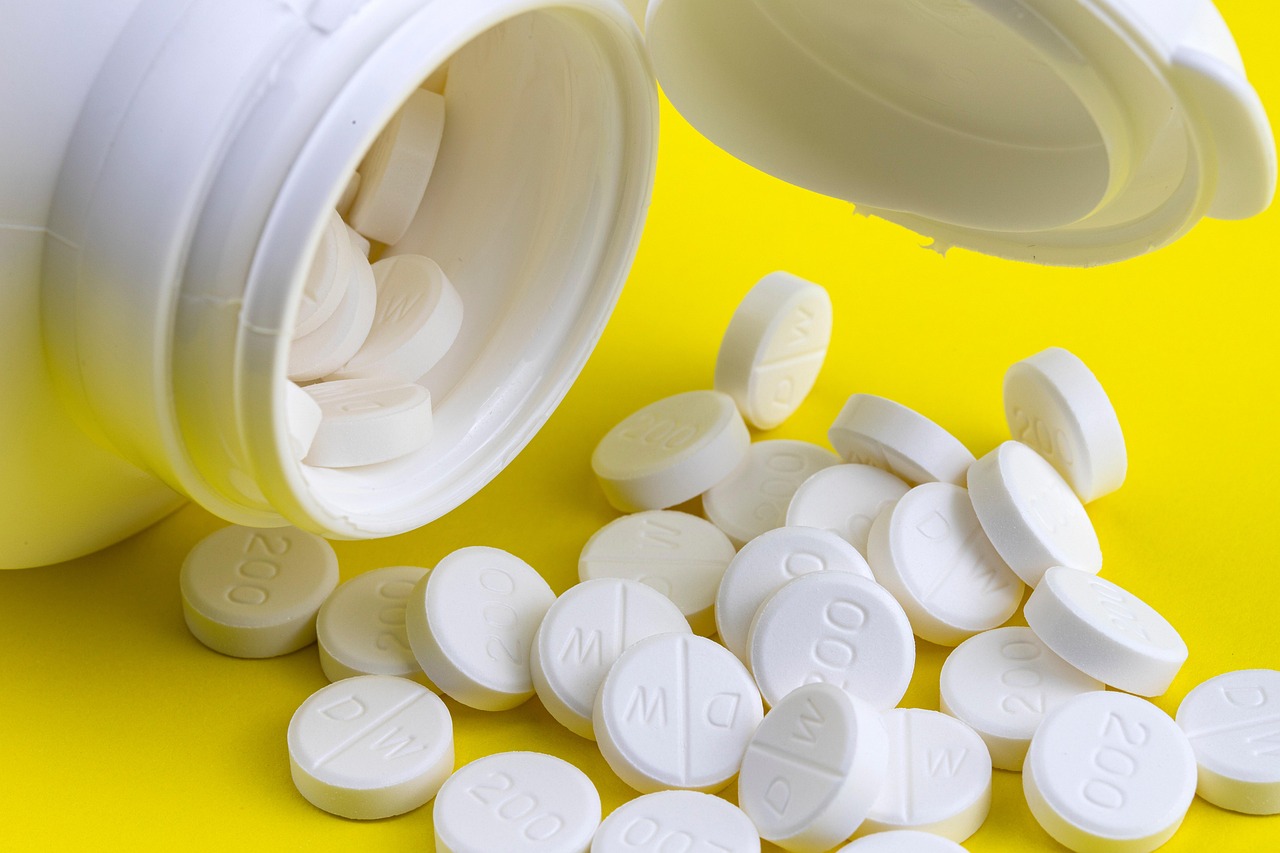

Postnatal Vitamins and Their Role in Boosting Energy Levels
After childbirth, many mothers experience fatigue and a significant drop in energy levels. Consuming postnatal vitamins can play a crucial role in restoring energy, vitality, and overall health. Postnatal vitamins typically contain essential nutrients like iron, folic acid, and vitamins B12 and D. These ingredients are vital for recovering from childbirth and ensuring that mothers have the necessary nutrients for their physical and mental well-being. Iron is particularly important, as blood loss during delivery can lead to anemia. Postnatal vitamins specifically designed for new mothers can help replenish these nutrients quickly. Another critical aspect of postnatal vitamin supplements is their impact on mood and mental health. Many new mothers suffer from postpartum depression, which can be alleviated by proper nutrition. Studies indicate that B vitamins contribute to improved mood and reduced feelings of anxiety. Additionally, ensuring adequate intake of omega-3 fatty acids can enhance brain function and mood stability. By including postnatal vitamins as part of a balanced diet, mothers can significantly improve their energy levels and overall quality of life, helping them navigate the challenges of new motherhood with greater ease.
One essential vitamin for new mothers is vitamin D, which plays a significant role in energy regulation and immune function. Many women are deficient in vitamin D, particularly if they are not exposed to sufficient sunlight during their postpartum period. Adequate levels of this vitamin facilitate calcium absorption, which is crucial for maintaining bone health, especially during breastfeeding. Additionally, vitamin D can positively impact mood and energy levels, reducing the risk of fatigue and depression. In this regard, many postnatal supplements include vitamin D3, as it is the most effective form. Another essential nutrient is calcium, which is vital for bone strength, particularly if a mother is breastfeeding. During this time, the body requires additional calcium to support the infant’s growth while preserving the mother’s bone health. For mothers who do not consume dairy products, calcium-fortified foods and supplements may be essential. Incorporating calcium alongside vitamin D in a postnatal vitamin will promote better absorption and utilization of these essential nutrients, fostering enhanced energy and vitality that can significantly benefit postpartum recovery.
Role of Iron in Postnatal Vitamins
Iron is another critical component that must not be overlooked when discussing postnatal vitamins. After childbirth, women lose a considerable amount of blood, which can lead to iron deficiency anemia. This condition is characterized by symptoms such as fatigue, weakness, and reduced immune function. Supplementing with iron through postnatal vitamins can help restore optimal blood levels and energy. Liquid iron supplements can sometimes be easier for new mothers to absorb and less likely to cause gastrointestinal upset. Additionally, combining iron with vitamin C can enhance absorption rates significantly. Eating iron-rich foods such as red meat, beans, or spinach along with vitamin C-rich fruits can maximize the benefits. Best practices involve selecting a postnatal vitamin that includes a balanced form of iron and other supporting nutrients that work synergistically. When planning a nutritious postnatal diet, mothers should also pay attention to their meal times and incorporate snacks rich in iron to ensure optimal absorption. Staying informed about their nutritional needs can significantly aid recovery and keep energy levels well-maintained during this vital time.
Folic acid, also known as vitamin B9, is essential for new mothers, especially for those recovering from childbirth. This nutrient supports proper cell division and plays a key role in repairing tissues. Adequate folic acid intake can contribute to replenishing the body’s reserves and assist with postpartum recovery. It is also crucial for nursing mothers, as folic acid is necessary for the growth and development of infants. Deficiency during breastfeeding can lead to inadequate levels of this critical nutrient being passed along to the baby. Including folate-rich foods such as leafy greens, beans, and fortified cereals in the diet can enhance the levels of this vital vitamin. Fortunately, many high-quality postnatal vitamins are formulated to include folic acid in their ingredient lists. Mothers can ensure they get the right balance of this essential nutrient while benefiting from the other included vitamins and minerals. Before choosing a specific supplement, mothers should review all available options and consider one that meets their unique dietary needs. Consulting a healthcare professional can help navigate these choices effectively and ensure nutritional requirements are met during this special time.
Vitamin B12 Benefits
Vitamin B12 is also crucial for new mothers, as it aids in energy metabolism. This nutrient supports the production of red blood cells, which are vital for oxygen transport throughout the body. After childbirth, fatigue is common, and maintaining adequate levels of B12 can help combat this issue. Deficiency in vitamin B12 can lead to weakness and irritability, negatively impacting both the mother’s health and her ability to care for her newborn. Many postnatal vitamins typically include B12 to support these needs. For mothers who follow plant-based diets, it is particularly important to assess B12 levels, as this vitamin is primarily derived from animal sources. Fortified foods or B12 supplements may also be necessary for effective supplementation. Choosing a postnatal vitamin that contains activated forms of B12, such as methylcobalamin, can help maximize absorption and benefits. Regular monitoring of vitamin levels can also help ensure mothers are receiving enough essential nutrients during the postpartum period. Staying educated on the role of vitamins will further empower mothers to make thoughtful choices in support of their overall health.
Postnatal vitamins not only play a role in boosting energy levels, but they also aid in overall postpartum recovery. Many mothers may find they have additional dietary needs during this time and that supplements help bridge any gaps. The challenges of early motherhood can lead to exhaustion, making it essential to focus on reclaiming energy levels. By incorporating a balanced postnatal vitamin, mothers can help ease symptoms of fatigue, enhance mental clarity, and support emotional well-being. Proper nutrition is critical not just for individual mothers but also for the health of their developing babies. A well-rounded supplement should consider the specific needs of breastfeeding and postpartum recovery. Furthermore, understanding which vitamins work best together and how they contribute to energy enhancement can empower mothers during this transition. As every individual’s needs may differ, personalized nutrition plans can greatly benefit energy levels. Encouraging mothers to prioritize self-care and focus on balanced nutrition during this period will cultivate a healthier environment for themselves and their families.
Conclusion: Engaging with a Healthy Lifestyle
In conclusion, postnatal vitamins play a vital role in boosting energy levels and supporting recovery after childbirth. Essential nutrients like vitamin D, iron, folic acid, and vitamin B12 are fundamental in promoting overall health during the postpartum period. Recognizing the importance of supplementation can guide mothers toward maintaining energy and combating fatigue effectively. Prioritizing a diet rich in these vitamins not only nourishes mothers but also significantly impacts the health of their infants. Engaging in regular consultations with healthcare practitioners will ensure mothers are meeting their personal nutritional needs and addressing deficiencies. Alongside the right postnatal supplements, adopting a healthy lifestyle enriched with nutritious foods and regular physical activity will further enhance well-being. Understanding the individual roles of specific vitamins and their collective impact on energy and recovery must be the focus of every new mother. Elevating awareness surrounding postnatal nutrition is crucial for empowering mothers to take control of their health during an essential phase of life. By embracing a holistic approach to well-being, mothers can recover effectively while enjoying the precious moments of motherhood.
To facilitate the transition into a healthy lifestyle, embracing a supportive community can also be beneficial. Engaging with other mothers and sharing experiences, tips, and resources can provide valuable insights into managing energy levels and recovery. Online forums and local support groups offer a great place for sharing best practices, seeking advice, and gaining emotional support. As many mothers go through similar experiences, this communal aspect can foster connections and create a sense of belonging. Participating in activities such as yoga or group walking can further enhance physical and mental well-being. Proper nutrition paired with social support can motivate mothers to remain committed to their health goals. Incorporating more nutrient-dense foods and participating in regular exercise can lead to improved energy levels and overall quality of life. Gaining knowledge about postnatal nutrition and actively pursuing community involvement can significantly enhance recovery experiences. Making informed choices combined with robust support systems creates a positive environment for mothers and their children. Prioritizing health during this phase can indeed set a positive precedent for both personal growth and family wellness.