
Incorporating HIIT into Your Solo Bootcamp Regimen
High-Intensity Interval Training (HIIT) has revolutionized fitness, offering quick results and efficient workouts. For individuals engaging in solo bootcamp training, HIIT techniques provide a means to maximize workout intensity in a concentrated timeframe. The essence of HIIT lies in alternating between intense bursts of activity followed by short periods of rest. This training style not only boosts cardiovascular health but also enhances calorie burn, even after the workout has concluded. In solo bootcamp setups, incorporating HIIT can take different forms. One popular approach involves bodyweight exercises such as burpees, jump squats, and mountain climbers, ensuring that no equipment is necessary. However, those with equipment can use kettlebells or medicine balls for additional resistance. Setting up a timer for intervals is crucial; for instance, a 20-40 second work period followed by 10-20 seconds of rest can effectively promote endurance and speed. Furthermore, the diversity of HIIT workouts keeps routines fresh and engaging, minimizing plateaus. With adjustable intensity levels, HIIT accommodates various fitness levels, making it widely accessible and easy to integrate into solo training regimes.
Structuring Your HIIT Workouts
To effectively incorporate HIIT into your solo bootcamp regimen, structuring each session properly is paramount. A well-structured HIIT workout typically begins with a warm-up lasting 5 to 10 minutes, preparing the body for intense exercise. Dynamic stretches and light cardio can elevate heart rates while reducing injury risks during workout sessions. Following the warm-up, transition into the HIIT portion, which usually constitutes of 20-30 minutes of high-intensity intervals. Select a balanced combination of exercises that targets different muscle groups, ensuring a comprehensive workout experience. Many bootcamp enthusiasts find success with a mix of upper and lower body movements; for instance, alternating between push-ups and lunges. During these intervals, focus on maintaining maximum intensity to achieve optimal benefits. Remember to account for rest periods, as they are just as crucial to recovery as the workout itself. Incorporate active recovery with light movement like walking or gentle stretches. Finally, conclude your session with a cool-down phase lasting 5-10 minutes, allowing the heart rate to gradually return to normal and promoting flexibility.
HIIT can be challenging, especially when you’re training alone; however, motivation strategies play a significant role in maintaining consistency. One effective method includes establishing specific goals for each HIIT session, such as completing a certain number of rounds or sustaining an exercise for a set time. These goals can create a sense of purpose during workouts, pushing participants through tough intervals. Progress tracking also empowers trainees by highlighting improvements over time, providing a tangible way to measure success. Sharing HIIT experiences on social media can also encourage accountability; posting milestones can boost motivation and inspire others. Additionally, consider designing a playlist of energizing music or podcasts to elevate your workout experience. Music can enhance performance and enjoyment levels, allowing you to push through challenging segments. If feeling drained, adjusting workout varieties helps prevent burnout; swapping exercises periodically ensures that workouts remain exciting. Furthermore, consider scheduling HIIT sessions at optimal times when energy levels peak; this timing makes adhering to your bootcamp regimen much easier and more enjoyable.
Nutrition’s Role in HIIT Effectiveness
The effectiveness of incorporating HIIT into a solo bootcamp regimen extends beyond just exercise; nutrition plays a crucial role in performance and recovery. A balanced diet rich in carbohydrates, proteins, and healthy fats fuels HIIT sessions. Carbohydrates serve as the primary energy source, essential for high-intensity efforts. Consuming an appropriate meal or snack 30-60 minutes before workouts can enhance energy levels and ultimately, performance. Foods rich in complex carbohydrates, like whole grains, fruits, and vegetables, sustain energy during significant training efforts. Post-workout nutrition is equally vital; consuming a mix of protein and carbohydrates aids recovery, helping muscles repair effectively. Optimal recovery fuels subsequent workouts and maximizes training benefits. Simple protein sources include lean meats, eggs, and legumes, while carb-rich recovery snacks might involve smoothies or whole-grain toast with almond butter. Furthermore, remaining hydrated is crucial in performing at your peak; dehydration can diminish performance and recovery rates. Consider carrying a water bottle to ensure adequate fluid intake before, during, and after HIIT sessions. By combining nutrition with HIIT, individuals can significantly enhance overall training outcomes.
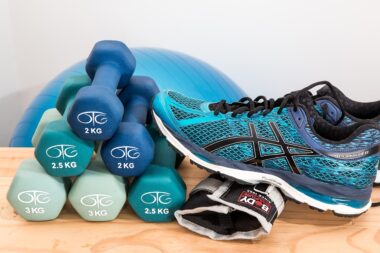
Adapting HIIT workouts to growing personal fitness demands is vital for sustained progress. One way to increase intensity is by manipulating the work-to-rest ratio, pushing for longer work intervals or shortening rest periods. High-performing individuals might challenge themselves by experimenting with different exercises and modalities. Alternatively, adding equipment such as resistance bands or dumbbells can help advance training difficulty and variation. Many people may find benefits in joining online HIIT classes or tutorials for fresh ideas and structure. Exploring diverse challenges enhances the workout experience and keeps motivation levels high. Engaging in themed classes or forming exercise groups, albeit digitally, can cultivate community and foster enthusiasm. Additionally, clothing choices can indirectly influence performance; wearing breathable fabrics supports comfort during intense sessions. Adjusting workout locations from indoors to outdoors can also change dynamics while adding a variety of visual stimuli. Preparing your workout environment ensures fewer distractions during hard-hitting sessions. Tailoring these workouts to individual schedules improves adherence, so take time to plan; that way, your commitment to HIIT can grow!
Listening to Your Body
While HIIT is known for its intensity, it’s essential to listen to your body throughout each solo training session. Recognizing signs of fatigue or strain can prevent injuries and ensure that workouts remain effective and safe. Adequate rest and recovery days should be prioritized to allow the body to recuperate after intense efforts. It’s crucial to differentiate between healthy discomfort and potential injury signals, as pushing beyond comfortable limits can lead to setbacks. Individuals practicing HIIT solo should also develop self-awareness of personal limits. Incrementally progressing intensity levels is advisable; increasing difficulty too quickly can be detrimental. Variations like active rest periods or integrating yoga into the routines can help balance intensity with flexibility and mindfulness. Additionally, maintaining communication with fitness communities online can help you gauge experiences and advice from fellow practitioners. Consider utilizing apps to track workout intensity, endurance, and overall progress. Implementing these techniques fosters a positive relationship between the body and exercise, allowing long-term growth with HIIT. True fitness lies not just in the completion of workouts but in understanding and respecting the body’s signals.
In conclusion, incorporating HIIT into your solo bootcamp regimen can yield remarkable benefits when executed properly. Structuring HIIT workouts, focusing on nutrition, and listening to your body create a foundation for success. Maintain motivation levels by setting goals and varying workout types. Remember that rest days are just as important as workout days, allowing your body the chance to recover. Exploring creative ideas and engaging themes can elevate your overall experience. Additionally, embracing the flexibility of solo training can drive personal growth and foster confidence. You can manipulate various factors to keep things interesting: changing locations, integrating challenges, or joining online communities can enhance the journey. Whether aiming for weight loss or conditioning, HIIT delivers results when commitments are consistent. Linking individual efforts with community support brings a sense of belonging, igniting motivation further. Always remain adaptable and be willing to experiment, as finding the most effective routine requires time and assessment. Ultimately, the successful incorporation of HIIT into your routine equips you with the tools needed to meet your fitness goals and boost your health sustainably.