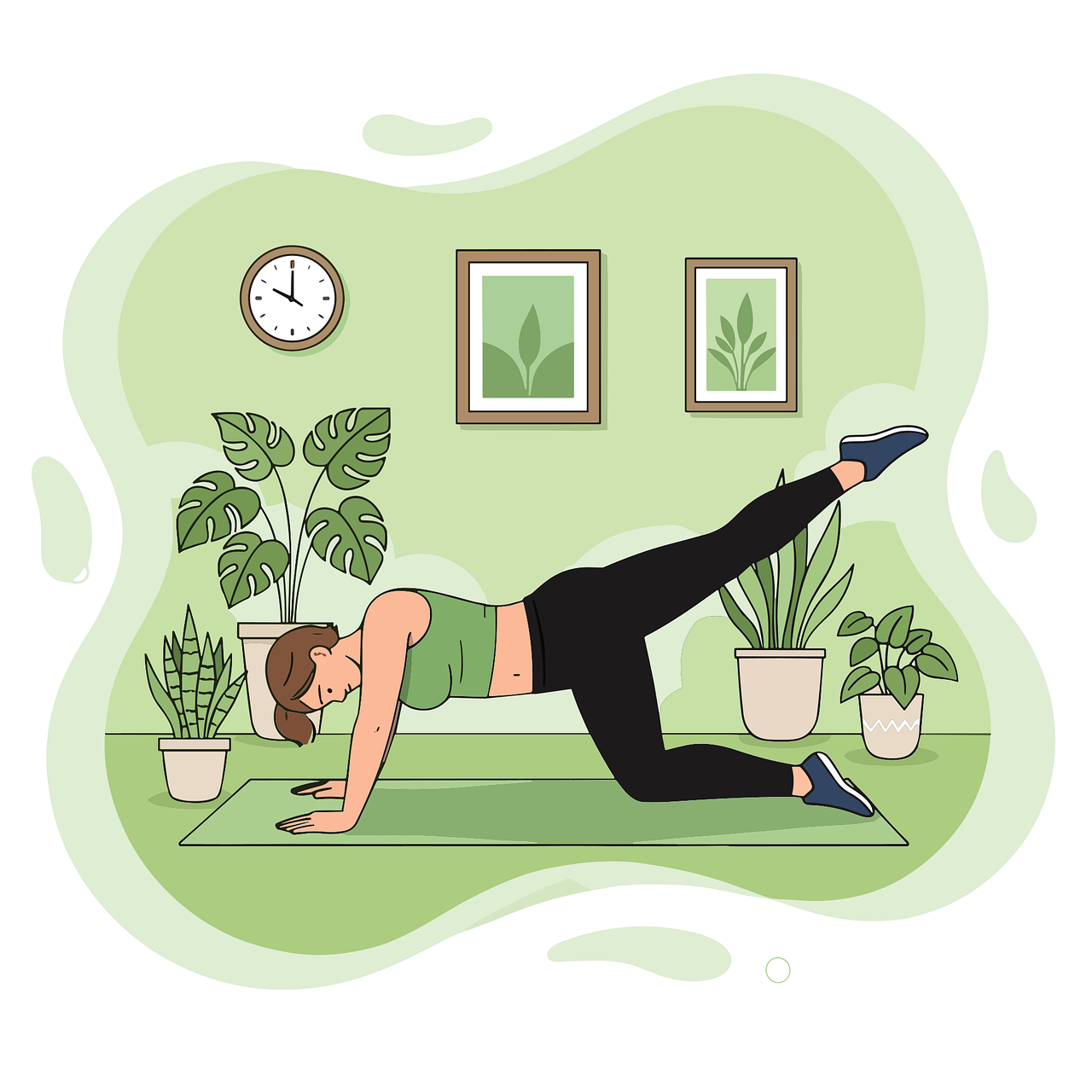

How to Increase Endurance with Home Exercises for Seniors
As we age, maintaining endurance becomes increasingly vital for overall health and independence. Engaging in regular home workout routines can significantly enhance stamina and energy levels for seniors. Home exercises allow flexibility, enabling seniors to work out without the need for a gym or external equipment. Simple yet effective exercises can be integrated into daily routines, ensuring that older adults remain active. Building endurance is essential for accomplishing daily tasks with ease and reducing the risks associated with sedentary living. One effective approach is to incorporate a variety of low-impact exercises, preserving joint health and mobility. For optimal results, seniors should start slow and gradually increase the intensity and duration of their workouts. Consistency is key; engaging in moderate exercises at least three times weekly can lead to substantial improvements over time. Seniors can combine strength training, balance exercises, and cardio to create a well-rounded fitness plan, improving endurance and stability. Focusing on breathing techniques during workouts can also enhance overall performance and physical well-being, making exercise more enjoyable, fulfilling, and sustainable for seniors.
Seniors should consider adopting specific exercises aimed at enhancing endurance. Aerobic activities, in particular, help to strengthen the heart and improve overall cardiovascular health. Walking, swimming, and cycling are great options that can be performed from the comfort of home or outdoors. Incorporating these activities into the weekly routine will serve to build stamina and endurance gradually. Additionally, dancing can be an enjoyable way for seniors to increase heart rate while having fun. Joining online classes or exercise groups can motivate seniors to remain active and connect with others. For those who may find traditional exercises challenging, chair exercises provide a viable alternative. Seated workout routines are extremely beneficial for seniors who may experience difficulty standing for long periods. Gradual progression in intensity should be the focus, starting with short sessions before extending duration as endurance increases. Additionally, some gentle stretching exercises can aid in improving flexibility, reducing the chances of injury during more strenuous activities. Always remember, consulting with a healthcare provider before starting any new exercise regime is essential to tailor a program according to personal needs.
Effective Home Exercises to Boost Endurance
To boost endurance efficiently, a combination of strength-building exercises and aerobic activities is recommended. Bodyweight exercises, such as squats and lunges, target key muscle groups, enhancing strength while simultaneously improving endurance. Seniors can begin at their own pace, gradually increasing repetitions as they become more comfortable. Gentle resistance bands can also be introduced for added resistance, effectively building strength and stability. Incorporating stretching and flexibility work into the routine can help maintain joint health, which is crucial for overall mobility. Simple movements like arm circles and toe touches can enhance flexibility without putting excessive strain on the body. For aerobic exercises, walking in place or marching can serve as an excellent interactive activity. If possible, seniors can use light weights, such as water bottles, during their workout to gradually improve strength. Combining music or television shows with exercises can make this time more enjoyable and engaging. Finally, ensure hydration during workouts, as staying hydrated is crucial for optimal endurance and overall health. By maintaining variety and purpose in these exercises, seniors can significantly improve their stamina and quality of life.
Incorporating balance and stability exercises into the workout routine is also beneficial for increasing endurance and preventing falls. Simple movements such as heel-to-toe walking and standing on one leg can enhance core strength and stability. Practicing these exercises regularly helps to build confidence while promoting safe mobility. Additionally, yoga and tai chi can offer incredible benefits for improving endurance, flexibility, and balance in seniors. These low-impact activities are excellent for reducing stress while promoting relaxation, which is essential for maintaining overall wellness during fitness programs. Classes can be easily found online, allowing seniors to take part without leaving home. Encouragement from family or friends can enhance the experience, making workouts more enjoyable. Keeping an exercise log helps track progresses, such as how long one can walk or the number of repetitions achieved in strength training. This method will foster motivation to continue improving over time. Another key factor for endurance building is proper nutrition. Seniors should ensure balanced meals with plenty of vitamins and nutrients that support energy levels, aiding in effective workouts. A well-rounded nutritional plan paired with regular exercise will further boost endurance, health, and vitality.
Setting Realistic Goals and Consistency
Setting achievable and realistic fitness goals is essential for seniors embarking on home exercise routines. Goals should be based on personal fitness levels and preferences to ensure sustainability and motivation. When beginning an endurance-building program, it may be helpful to start small and gradually intensify routines as endurance and comfort levels improve. By breaking these goals into manageable milestones, such as walking for ten minutes without stopping or performing five chair squats, the process becomes less daunting. Regularity plays a crucial role in achieving desired outcomes, thus, scheduling workouts the same times each week helps to establish a routine. Keeping the environment comfortable and free of distractions can be beneficial. Engaging in social settings, such as group classes, can provide positive reinforcement and accountability, making exercise fun and enjoyable. Moreover, tracking successes can provide encouragement, transforming the journey into a rewarding experience. Journals or apps designed for fitness purposes can enable seniors to record workouts. Celebrating small victories along the way helps maintain enthusiasm, reinforcing the commitment to an enduring active lifestyle that enhances overall health and happiness.
It’s vital for seniors to listen to their bodies while integrating home exercises into their routines. Any unusual or persistent discomfort should prompt a consultation with a healthcare provider. Understanding the body’s signals ensures safe practices and fosters a sustainable exercise journey. Rest is equally important as working out, allowing the body to recover and adapt to new challenges. Therefore, seniors should include active rest days in their workout schedules, focusing on gentle activities like stretching or leisurely walks. Hydration supports performance and recovery, making it necessary to drink water before, during, and after workouts. Additionally, the right footwear is essential for comfort and injury prevention; a good pair of supportive shoes can help encourage consistent participation in physical activities. Stretching post-exercise is important for maintaining flexibility and aiding in recovery, reducing stiffness and soreness after workouts. Positive mindset and motivation are powerful allies in sustaining exercise habits. Engaging in senior-friendly fitness communities online or in-person can provide support and new ideas for routines. Overall, prioritizing endurance through enjoyable exercises leads to improved quality of life and physical resilience for seniors.
Conclusion: Embracing an Active Lifestyle
Embracing an active lifestyle through consistent home exercise routines is essential for seniors looking to improve endurance and overall well-being. By strategically integrating enjoyable activities, seniors can achieve their fitness goals without the pressure of a gym environment. Home workouts promote autonomy and make it easier for seniors to maintain their health and vitality. The key is variety in routine – alternating between strength, aerobic, and flexibility exercises maintains interest while developing endurance effectively. Remember, the journey to enhance wellness requires patience and positivity; gradual achievements should be celebrated. Furthermore, developing strong social connections through group activities enhances motivation and makes exercise feel less like a chore and more like a community experience. Investing time and effort into fitness today can lead to a more vibrant and fulfilling life tomorrow. Moreover, by regularly assessing fitness routines and achievements, seniors can adjust their programs as health evolves, ensuring continued progress and commitment to wellness. It’s never too late to start exercising; no matter the age, every step towards fitness counts in the journey towards a healthier, more energetic life.
In conclusion, enhancing endurance through home exercises significantly boosts seniors’ quality of life. Combining enjoyable physical activities with a bit of creativity helps sustain motivation and engagement, leading to visible improvements over time. Seeking social support and potential buddies can add to the fun, making workouts shared experiences. The ultimate objective is to ensure that seniors feel empowered and capable of maintaining their physical health with confidence. Following the guidance outlined in this article, seniors can develop a personalized home workout schedule that fits their lifestyles and health needs. A commitment to regular exercise and mindful nutrition supports their efforts and vibrant living. Remember to adapt stations based on personal preferences and existing limitations, always pacing workouts as per comfort levels. Building endurance presents numerous benefits for physical health and mental wellness. Seniors can enjoy increased independence and mobility by prioritizing fitness activities. With consistency and a positive outlook, the journey toward better endurance remains fulfilling and advantageous. Ultimately, engaging in home workouts tailored to seniors enables the achievement of health goals, ensuring a lasting commitment to fitness and wellness.