
How Machine Learning is Transforming Personal Fitness Plans
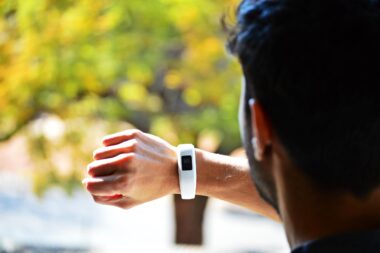
The fitness industry is witnessing a significant transformation due to advancements in technology, particularly through machine learning. By leveraging vast amounts of data, fitness professionals can create personalized training plans tailored to individual needs. Machine learning algorithms analyze user data, including age, weight, fitness level, and goals, to formulate a unique program that evolves over time. The incorporation of machine learning enhances the effectiveness of workouts by identifying patterns and suggesting modifications. This not only boosts user engagement but also leads to better results. Moreover, machine learning supports the integration of wearables and fitness apps, facilitating real-time feedback. These technologies monitor user performance and provide insights that help in refining fitness strategies. With continuous advancements, the potential for machine learning in fitness is boundless, paving the way for smarter and more efficient training. As the fitness industry adapts, it is crucial for professionals to embrace these innovations. By investing in technology and education, trainers can ensure their clients receive the most advanced and personalized fitness plans possible, leading to a healthier and more active lifestyle. The future looks promising for machine learning in the fitness landscape.
The Role of Data in Personalization
Machine learning thrives on data, and the fitness sector is no exception. In personal fitness plans, data serves as the foundation that helps design optimal workout regimens. Various data points, such as users’ physical activity levels, nutrition habits, and recovery times, are collected and analyzed. This analytical approach allows for the identification of strengths and weaknesses in users’ performance. For example, if data reveals a plateau in progress, machine learning can intelligently adjust the training plan to introduce new challenges. Moreover, the inclusivity of data-driven fitness solutions accommodates diverse user needs. Users can receive real-time modifications based on their feedback, ensuring the program remains aligned with their objectives. Predictive analytics further enhances this process by anticipating future needs and making proactive adjustments to fitness schedules. Ultimately, personal trainers equipped with machine learning insights can provide a more comprehensive service. This not only leads to superior client satisfaction but also fosters loyalty. As technology continues to advance, harnessing data will remain pivotal in defining the fitness industry’s future and improving overall health and wellness.
Another aspect of machine learning’s influence is the ability to predict outcomes based on historical performance. With vast datasets available from past workouts, trainers can utilize predictive analytics to forecast potential results for specific exercises or programs. This capability enables them to recommend the best course of action for clients, circumventing ineffective methods. Additionally, machine learning algorithms can evaluate the various factors affecting fitness outcomes, such as external conditions, individual lifestyles, and genetic predispositions. This tailored approach amplifies not just effectiveness, but also ensures safety for each user. The potential for injury diminishes as personalized recommendations consider unique circumstances. Furthermore, the accessibility of machine learning technology means personal trainers can utilize mobile applications that incorporate these systems. These tools empower clients to remain engaged and motivated while tracking their progress. Couple these features with real-time feedback, and the user experience truly transforms. The transition into a more data-driven atmosphere is indeed challenging; however, it offers immense opportunities for growth. Embracing these technologies can place fitness professionals at the forefront of innovation within the industry, allowing them to differentiate themselves in a competitive market.
Enhanced Client Engagement
Engagement is key when retaining clients in the fitness industry, and machine learning plays a significant role in enhancing this aspect. The use of tailored communication strategies based on user preferences fosters a more personalized approach. By sending reminders, motivational messages, and progress updates, trainers can maintain client momentum and enthusiasm. Furthermore, fitness applications can utilize machine learning algorithms to analyze engagement patterns and identify areas for improvement. For instance, if a client appears to lose enthusiasm following specific workouts, adjustments can be made to the program to reignite their motivation. Creating varied and exciting routines challenges clients, preventing stagnation and boredom. Machine learning also allows clients to connect with their trainers swiftly, providing a seamless communication channel. This accessibility ensures immediate responses to inquiries or concerns, reinforcing trust and rapport. Additionally, the incorporation of gamification elements encourages friendly competition among users, resulting in a more enjoyable experience. Ultimately, engaged clients are more likely to achieve their fitness goals and continue utilizing services. This fosters a community built on shared success and accountability, which stands as a testament to the power of machine learning and technology.
As the convergence of technology and personal training deepens, machine learning is paving the way for a new era of fitness. The current landscape highlights the power of integrating AI-driven insights into personalized programs. Essentially, a more adaptive fitness plan can emerge through continuous data feedback. Having programs that respond to users’ progress enhances results, maximizing time spent exercising. With the ability to monitor performance metrics seamlessly, machine learning creates a comprehensive picture of client journeys. Clients are thus empowered with valuable data to understand their physical capabilities and limitations. Moreover, integrating machine learning facilitates the customization of dietary and nutritional plans to complement fitness goals. Access to tailored nutrition advice promotes a balanced approach to health. As clients can rely on informed choices, the probability of reaching their targets increases significantly. This holistic perspective further emphasizes the link between physical activity, nutrition, and overall well-being. Trainers who embrace machine learning are not merely offering workouts; they are curating complete lifestyle transformations, bringing tangible results. The shift toward incorporating technology is vital, as adherence rates improve with personalized strategies designed through data-driven methods.
Future Innovations in Fitness
The evolution of machine learning in fitness holds exciting prospects for the future. Innovations, such as virtual training assistants and smart fitness devices, are on the horizon. These technologies promise to enhance user experience significantly, enabling real-time interactions and support. Imagine engaging with a virtual coach that adjusts your workout routine on-the-fly. This is becoming feasible through machine learning algorithms that analyze ongoing performance and suggest immediate modifications. Furthermore, advancements in AI are making it possible to create immersive experiences for users. Augmented reality could allow clients to visualize their fitness journeys, enhancing engagement and adherence. Beyond individual workouts, community-based features will emerge, leveraging collective data to inspire group challenges and accountability. These elements can promote a sense of belonging, motivating users to stick with their goals. As health and fitness continue to integrate with technology, scalability will increase, making effective solutions accessible to wider audiences. Moreover, collaborations between tech firms and fitness professionals can foster advancements that ultimately uplift public health standards. The exciting journey ahead emphasizes the importance of innovation, paving avenues for unparalleled growth in the fitness industry.
In conclusion, machine learning significantly impacts personalization within the fitness industry. By harnessing data, predictive analytics, and real-time feedback, trainers can create innovative programs tailored to individual users. This technology not only improves fitness outcomes but also keeps clients engaged and motivated. Moreover, the future promises incredible advancements with AI, ensuring a more inclusive fitness landscape. As trainers and professionals adapt to these technological changes, they will not only enhance their services but ultimately cultivate healthier lifestyles for their clients. The integration of machine learning streamlines the process, allowing trainers to focus more on client relationships and the exercise experience itself. Consequently, fostering a robust connection between fitness professionals and clients is crucial. Each personal fitness plan becomes a journey of growth, empowered by improving technology that listens to user needs. The fitness industry’s evolution lies in embracing machine learning, making it an essential tool for personal trainers and clients alike. As we move forward, it is imperative to remain invested in these developments and remain informed about how they translate into tangible progress in achieving fitness goals.
Image Source: