
Eco-Friendly Fitness: Reducing Water Contamination for a Healthier Life
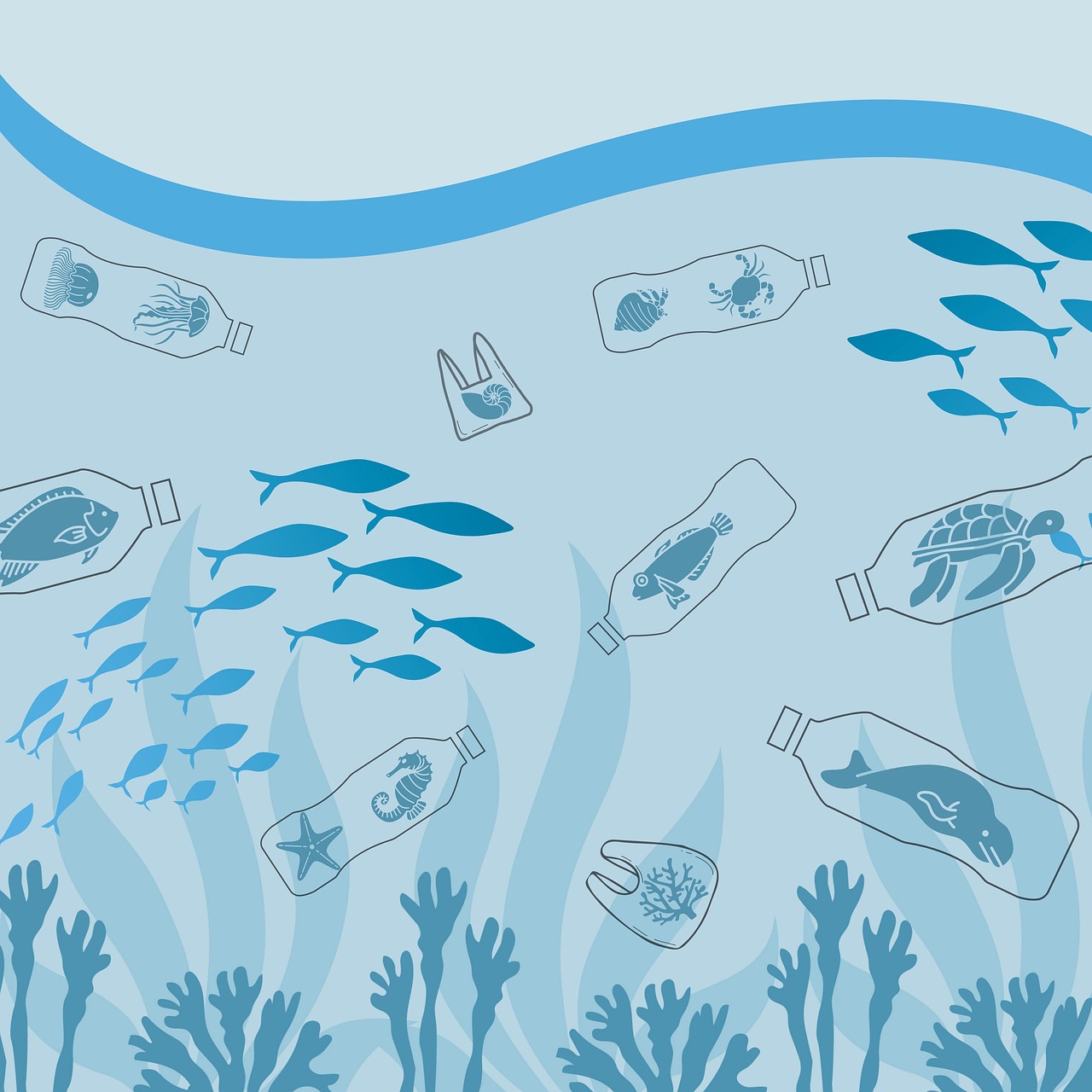
Water pollution is a pressing environmental issue that significantly impacts public health. It compromises ecosystems, human health, and overall environmental sustainability. In fitness, we contribute to pollution through improper disposal of water bottles, personal care products, and other waste. To tackle this, it’s essential to adopt eco-friendly practices. Start by using a reusable water bottle during workouts, minimizing plastic waste considerably. Choosing biodegradable products can also help prevent harmful chemicals from contaminating waters. Additionally, supporting local water protection initiatives raises awareness about water quality issues in our communities. Simple changes in our daily routines make a significant difference over time. Engaging in advocacy for water cleanliness is equally important. Informing friends and family about the destructive effects of pollution on fitness and wellbeing enhances overall contribution to cleaner water. Regularly check for pollution sources around your workout areas, whether parks or rivers. Making conscious choices while exercising supports both health and the environment, demonstrating that fitness is not just a personal journey but a communal responsibility. Together, we can prevent water pollution while promoting healthier lifestyles for ourselves and our surroundings.
To further reduce water pollution in fitness, consider integrating green habits into routine exercise practices. Start by participating in local clean-up events at lakes or community parks. These activities not only beautify the surroundings but also direct attention to preserving water resources. While exercising outdoors, such as cycling or jogging, always stay aware of litter and remove it when possible. You can motivate recreational groups to engage more actively in environmental stewardship. Moreover, selecting eco-friendly activewear made from sustainable materials reduces the global carbon footprint. Choose clothing brands that prioritize ethical production and environmental welfare. Supporting such businesses sends a strong message against water pollution related to textile waste. Also, advocate for more accessible recycling programs in your local fitness centers. Encourage gyms and studios to offer incentives for members who bring reusable items or recycle responsibly. Implementing these actions promotes an eco-conscious fitness culture. Remember, every small effort contributes positively to water preservation, enhancing not just individual health but community health standards as well. Let’s unite fitness and environmentalism while inspiring others to join the movement toward a healthier planet.
Educational Efforts in Water Pollution Prevention
Education plays a pivotal role in preventing water pollution. By raising awareness about its impact, individuals can be encouraged to adopt eco-friendly practices. Fitness centers can implement educational programs about the significance of protecting local water sources. Hosting workshops, where fitness instructors discuss the link between a healthy environment and personal health, results in more conscious gym-goers. Creating fun, engaging materials such as flyers or infographics makes information easily accessible. You can even distribute pamphlets on how individual actions, such as disposing of chemicals properly, affect water bodies. Incorporating environmental education into fitness programs emphasizes the direct connection between health and eco-friendly practices. Equally, collaborating with local environmental groups provides valuable insights and resources for gym owners. Sharing these collaborations on social media raises further awareness both about fitness and environmental responsibility. Encourage community discussions through social media platforms, allowing people to share their sustainable fitness strategies. Engaging the community in these educational initiatives not only builds a stronger fitness culture but also enhances communal health and well-being. It is essential to create advocates for clean water by fostering a shared commitment to keeping our water resources pristine.
Personal choices significantly influence the broader fight against water pollution. As individuals, we must evaluate our own routines and identify areas for improvement. For instance, when shopping for fitness accessories or nutritional supplements, opt for brands committed to sustainability. Many companies now prioritize eco-friendly packaging, reducing plastic waste entering water sources. Consider participating in local farmer’s markets for fresh produce or protein sources; this supports local agriculture while minimizing food miles that contribute to carbon emissions. Additionally, be mindful of the ingredients in personal care products and choose natural alternatives. Chemicals found in many products can wash into waterways, posing threats to aquatic life and health. Educate yourself about these harmful substances and research options before purchasing. Encouraging workout buddies to embrace these choices fosters a supportive network focused on health, both personal and environmental. Your lifestyle changes and product choices can inspire others in your community to follow similar paths. When united, these actions create a ripple effect that leverages individual responsibility into a broader movement against water pollution, ensuring future generations can thrive in a cleaner environment.
Involving the Community for Collective Change
Community involvement is crucial in the battle against water pollution. When fitness enthusiasts band together, they can amplify their impact significantly. Organizing fitness events with environmentally friendly themes can spotlight water contamination issues while promoting an active lifestyle. For example, a ‘clean water run’ could raise funds and awareness. Ensure participants leave with information on water conservation and pollution effects. Collaborating with local governments and non-profit organizations can mobilize resources for impactful campaigns. You could launch a petition advocating for stricter regulations on industrial runoff or establish neighborhood watch programs to monitor water quality actively. These efforts forge a sense of community responsibility towards preserving local water bodies. Additionally, consider integrating eco-friendly challenges into fitness regimens. Track carbon footprints or plastic usage as part of a fitness challenge to raise awareness of water pollution. Incorporating social media components can enhance engagement further by encouraging weekly updates and team motivation. Together, communities can reshape their relationship with natural resources, promoting a healthier, greener environment that benefits personal fitness while safeguarding water quality for all residents. Every effort counts towards creating a cleaner, more sustainable community.
Scientific advancements and research also contribute significantly to understanding and combating water pollution. Collaborating with educational institutions can introduce local fitness groups to essential water conservation advocacy. Incorporate science-based findings into fitness initiatives to encourage members to change their behaviors. For example, share studies that illustrate the dangers of industrial pollutants on health and fitness performance. Leveraging this knowledge can compel individuals to actively engage in community water protection efforts. Additionally, supporting local environmental research projects can help cultivate a long-term understanding of water quality issues. Encourage gyms to become funding partners for research that seeks solutions to pollution problems. This partnership underscores the scenic link between environmental preservation and physical health. Organizing seminars that allow scientists to present findings creates opportunities for knowledge sharing among community fitness enthusiasts. Motivating members with facts transforms awareness into action. Choosing to work with scholars and researchers further strengthens the collective movement against pollutants, establishing a future where fitness and environmental stewardship coexist harmoniously. Stay informed about current studies and share them to foster continued engagement and responsibility towards preserving clean water.
Conclusion: The Path Forward
As individuals and communities, we have the power to make a significant difference in preventing water pollution. By integrating eco-friendly practices into our fitness routines, we encourage sustainable behaviors that collectively improve water quality. The journey involves education, community activism, individual commitment, and support for sustainable initiatives. Every action counts, from adopting reusable containers to engaging in community clean-up efforts. Moreover, incorporating education about water pollution in fitness programs informs and empowers others to become advocates. This collaborative momentum amplifies voices demanding change towards cleaner waters. As awareness continues to grow, fostering a culture where fitness and environmental sustainability thrive together becomes achievable. A strong commitment transcends individual benefits, contributing to a healthier planet. By collectively taking responsibility, we not only enhance our own health but safeguard vital resources for future generations. Ultimately, adopting a holistic approach to fitness that respects and protects the environment ensures the best outcomes for ourselves and our planet. Together, we can build a movement that celebrates robust health while valuing the shared responsibility of protecting our planet, leaving a legacy of vibrant communities and clean water.
Many organizations understand the importance of water conservation in fitness and actively promote initiatives to protect this crucial resource. Among these efforts, fitness businesses are developing eco-conscious memberships that encourage sustainable practices. Consider choosing fitness centers that offer incentives for members who participate in environmental activities. Whether it’s bringing reusable items or joining local conservation projects, these actions contribute to a healthier planet. You can also discuss methods for effective water usage with gym trainers. Engage local fitness experts to discuss sustainable hydration practices, addressing how to conserve water during workouts. Smaller steps, like properly disposing of waste and recycling materials, will help keep local water sources clean. It’s essential to hold each other accountable within fitness groups; commitment to eco-friendly practices fosters responsibility and collective action. As you work towards fitness goals, reinforce the importance of protecting the water resources that nourish our bodies. Transitioning to a greener lifestyle aligns seamlessly with aspirations for health and fitness. Education, teamwork, and advocacy are powerful tools for creating change, and through such efforts, we can assure both personal well-being and the preservation of vital water resources.