
Bone Density and Aging: Preventing Osteoporosis Through Exercise
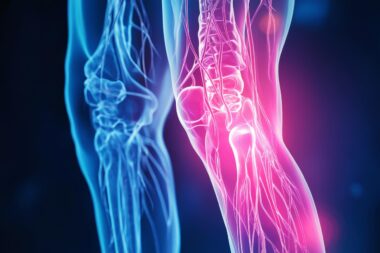
Aging significantly influences bone density, leading to conditions like osteoporosis, which can cause fractures and disability. Osteoporosis often develops silently, thus emphasizing the importance of preventative strategies. Many individuals are unaware that their bone density begins to decrease as early as their 30s. Therefore, understanding the risk factors for bone loss is critical. Lifestyle choices, including inadequate nutrition and inactivity, substantially impact bone health. Exercise plays a crucial role in maintaining bone density, as it stimulates bone formation while preventing further loss. Engaging in weight-bearing activities helps strengthen bones, making them more resilient against age-related deterioration. Additionally, resistance training can benefit bone structure, improving both strength and balance. These improvements can directly reduce the risk of falls, a leading cause of fractures among the elderly. Also, ensuring adequate intake of calcium and vitamin D supports optimal bone health, complementing the effects of exercise. It’s essential for older adults to develop a consistent exercise routine tailored to their individual needs and physical capabilities. Consultation with a healthcare professional can provide guidance.
Understanding Osteoporosis
Osteoporosis is a medical condition where bones become fragile and weak, increasing fracture risk. Typically, older women are more affected due to hormonal changes after menopause. However, men are not immune and may also experience lower bone density as they age. The development of osteoporosis is often related to a combination of genetic and lifestyle factors. For instance, family history, certain medications, and medical conditions can increase susceptibility. Therefore, early detection through bone density screening is vital. Such assessments allow health providers to identify individuals at high risk for osteoporosis. With this information, preventative measures can commence sooner. Lifestyle modifications are key to combating osteoporosis. Encouraging physical activities such as walking, dancing, or weightlifting can benefit not just bone strength but overall health. Additionally, dietary changes should focus on incorporating high-calcium foods like dairy, green leafy vegetables, and fortified products. Staying active also helps in maintaining muscle mass, which supports skeletal strength as balanced muscle and bone relationship is essential for reducing fall risks. Combining physical activity with proper nutrition forms a strong foundation for a bone-healthy lifestyle.
Weight-bearing exercises are particularly beneficial for bone density. These activities include running, walking, weightlifting, and climbing stairs. Engaging in these exercises promotes bone formation and can halt further deterioration from aging. Moreover, incorporating balance exercises like Tai Chi can mitigate fall risks, thereby enhancing safety. As individuals start or modify their exercise programs, it’s crucial to do so gradually, considering any existing health issues. Consulting with a healthcare provider or physical therapist ensures exercises are safe and effective. A personalized regimen that caters to individual capabilities fosters better adherence and success. Being proactive helps reverse bone density loss over time. Also, it’s essential to remain consistent with the exercise regimen for sustainable benefits. Creating a supportive environment can significantly impact motivation to exercise regularly, be it with friends, family, or community programs. This social aspect enhances emotional wellbeing while promoting physical health. Individuals should focus on finding activities they enjoy. Finally, lifelong learning about osteoporosis makes a significant difference in managing bone health throughout aging.
Nutrition’s Role in Bone Health
Nutritional intake is a fundamental component of maintaining bone density during aging. Essential nutrients like calcium and vitamin D are crucial for supporting bone formation and remodeling processes. Adults require between 1000 to 1200 mg of calcium daily, depending on age and gender. Foods rich in calcium include dairy products, almonds, and fortified plant-based milks. Additionally, vitamin D aids in calcium absorption, making its intake a priority. Sunlight exposure is a natural source, while dietary sources include fatty fish and fortified cereals. In cases where achieving sufficient intake might be challenging, supplementation can be considered under a doctor’s guidance. Adequate protein intake is also essential, as protein helps maintain muscle mass and supports bone integrity. It’s vital to avoid excessive alcohol and caffeine consumption, as these can interfere with mineral absorption and have detrimental effects on skeletal health. Staying hydrated contributes to overall well-being, enhancing recovery and performance during exercise. Thus, combining nutritional strategies with physical activity forms an effective approach in preventing osteoporosis. Consultation with a dietitian can provide tailored dietary plans for individual needs.
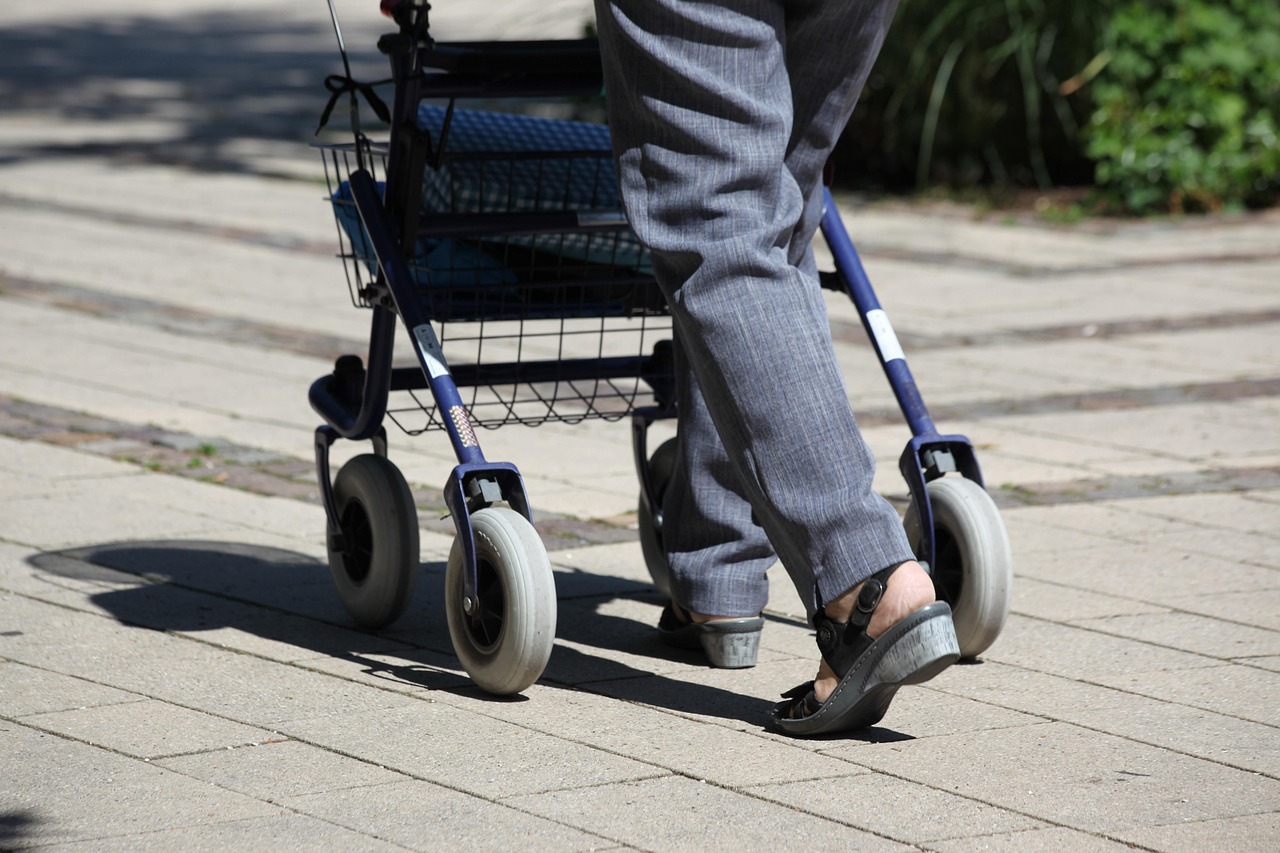
Beyond nutrients, lifestyle choices significantly influence bone health as well. Smoking is detrimental, as it weakens bones and hampers circulation. Quitting smoking can lead to improvements in bone density and overall health. Regular monitoring through health check-ups ensures timely detection of bone loss. Those diagnosed with low bone density often benefit from pharmaceutical interventions alongside lifestyle modifications. Medications can help to slow down bone loss and even help build new bone mass. It’s essential to discuss various therapeutic options with healthcare providers to determine the best course of action based on individual health status. Incorporating functional exercises that mimic daily activities fosters improvements in balance and coordination will further prevent falls in aging individuals. Simple adjustments in home environments, such as securing rugs and using assistive devices, improve safety. Coordination exercises, like yoga or Pilates, enhance flexibility and contribute to fall risk reduction. These commitments not only support bone health but promote a holistic approach to wellness. They are crucial in maintaining independence and improving quality of life as individuals age. Committing to lifelong hydration with water supports all bodily functions, promoting optimal performance.
Conclusion: A Lifelong Commitment to Bone Health
In conclusion, the journey of maintaining bone density through the aging process requires a lifelong commitment to health. Understanding osteoporosis, its risk factors, and the significance of exercise and nutrition form the core of effective prevention strategies. Emphasizing weight-bearing exercises can make a profound difference in sustaining bone strength. Quality training routines personalized to suit individual needs contribute significantly to motivating adherence. Nutritional awareness also plays a pivotal role; ensuring sufficient calcium and vitamin D intake is essential for bone health. Additionally, reducing harmful lifestyle habits, like smoking and excessive consumption of alcohol, is equally important. With consistent educational efforts, individuals can manage their bone health effectively throughout life. Regular monitoring can help accommodate necessary changes in exercise and nutrition plans. This proactive approach towards osteoporosis not only preserves bone density but encourages overall well-being. Communities play an integral role too, providing support and resources to inspire individuals to lead active lifestyles. By fostering healthy habits early, individuals can greatly influence their aging journey. Ultimately, this collective awareness nurtures a society that values health, vitality, and longevity.
In summary, embracing an active lifestyle enriched with nutrition and education empowers older adults to prevent osteoporosis effectively. Regular exercise, balanced nutrition, and informed decisions constitute a robust preventative strategy. Building a foundation of bone health in the earlier years optimizes the chances of maintaining bone density through the aging process. Integrating physical activity into daily routines ensures that it becomes a sustainable habit. Furthermore, combining social engagements within exercise promotes both mental and physical health. Resources like community centers offer programs tailored for older adults, enabling them to remain active while connecting with others. Initiatives focusing on education empower individuals to make informed decisions about their health. Educational workshops on nutrition and fitness can further inspire individuals to engage in positive lifestyle changes. As more people recognize the importance of maintaining bone density, a shift towards healthier lifestyles emerges. This raises community awareness on the significance of bone health, enabling older adults to embrace their age with vigor. Importantly, long-term effects are beneficial not just individually, but for society as a whole, paving the way for a healthier, more active aging population.
Recommended Resources
For additional guidance on maintaining bone density through exercise, several resources are available. National Osteoporosis Foundation provides valuable educational materials and advocacy opportunities. Websites, such as http://www.nof.org, offer detailed information about osteoporosis prevention strategies. Books focusing on nutrition and aging, like “Nutrition and Bone Health,” can provide deeper insights. Many local community centers also host exercise programs specifically designed for older adults. Consulting with healthcare professionals can guide suitable exercise selections based on individual health status and history. Additionally, seeking the advice of certified personal trainers specialized in senior fitness ensures workouts are safe and effective. Integrating bone-healthy practices into daily life can also be achieved through cooking classes focusing on healthy, calcium-rich diets. Overall, the incorporation of these strategies can greatly influence the management of bone health throughout one’s life. Engaging in social interactions surrounding fitness enhances motivation and accountability. Finally, discussing any concerns about bone health with medical practitioners can provide clarity and personalized recommendations. Ultimately, this commitment fosters a proactive approach to aging well.