
Balancing Carbs and Protein After Workouts for Optimal Results
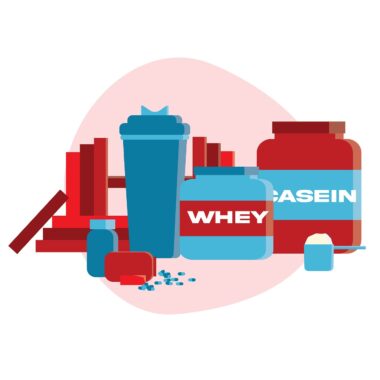
Achieving optimal post-workout nutrition involves a careful balance of protein and carbohydrates. After exercising, your body enters a recovery phase where replenishment is vital. You’ll want to focus on nutrient-dense foods that support muscle repair and growth. The ideal protein intake varies based on your fitness goals and workout intensity. Typically, consuming 20 to 30 grams of high-quality protein within 30 minutes post-workout is recommended. This speed helps your muscles recover effectively, reducing soreness. It’s crucial to select fast-digesting proteins like whey or casein, as they can swiftly deliver amino acids to muscles that need them most. Along with protein, integrating carbs is essential. Carbohydrates help replenish glycogen stores depleted during exercise, particularly with high-intensity training. It’s commonly suggested to maintain a ratio of 3:1 carbs to protein post-exercise. Not only does this improve muscle recovery, but it also enhances overall performance for your next workout session. Understanding these nutrient roles can ensure you’re maximizing the benefits of your hard work at the gym. Therefore, planning your meals surrounding these guidelines plays a significant role in your fitness journey.
The specific timing of nutrient intake is just as critical as the nutrients themselves. After finishing your workout, the first 30 minutes is often referred to as the “anabolic window”. This period represents an optimal opportunity to consume a combination of carbohydrates and proteins to maximize recovery and muscle benefits. However, you can still see positive effects up to two hours post-exercise. To ensure these nutrients make the most significant impact, prioritize meals that are both easily digestible and flavorful. Notably, options like smoothies or yogurt bowls are popular choices that mix well with fruits and nuts. Additionally, consider meal prepping to avoid missing out on this recovery phase. Having balanced meals ready to go can streamline your post-workout routine and help you stay consistent over time. Also, keep in mind hydration plays a role too; combining protein and carbs with water will further support recovery. Continue to listen to your body’s hunger cues for more tailored recovery. Quality nutrition post-exercise can spur gains and enhance your fitness overall. Make informed choices, and you’ll be sure to get results from your efforts.
Choosing the Right Protein Sources
When it comes to post-workout nutrition, selecting the right protein source can significantly influence recovery. Various protein sources provide unique benefits, so it’s essential to understand their properties. For instance, whey protein is a highly favored due to its rapid digestibility and high leucine content, making it ideal for muscle growth. Vegetarian options, such as peas or rice protein, can also be effective, especially when combined to enhance their amino acid profiles. Eggs and Greek yogurt are excellent whole food choices, providing not only protein but also healthy fats. Lean meats, like chicken or turkey, can deliver substantial amounts of proteins with essential nutrients. Don’t overlook plant-based options, like lentils and chickpeas, which, combined with carbohydrates, can still support muscle recovery. Properly integrating these sources into your diet can sustain your protein targets efficiently. Opt for variety to prevent boredom with your meals and enhance nutrient intake. Be mindful of portions to meet your requirements without going overboard, as excess protein could lead to unintended caloric surplus. Ultimately, choose what works best for your personal goals and dietary preferences.
As you focus on post-workout nutrition, it’s important to consider the carbohydrate component as well. Carbohydrates serve as a crucial energy source that has been depleted during exercise. Incorporating complex carbohydrates into your post-workout meals ensures sustained energy levels throughout recovery. Foods such as sweet potatoes, whole grains, or quinoa are great options to pair with your protein choices. These carbs help in restoring glycogen levels quicker, which can enhance your next workout’s performance. A balanced plate ideally should consist of both proteins and carbs to promote effective recovery. This well-rounded approach can also help stabilize blood sugar levels that might fluctuate after intense activities. Moreover, including a bit of healthy fat in your meals could support overall nutrition. Avocado or nuts can provide necessary fatty acids that aid in vitamin absorption and hormone regulation. Paying attention to the glycemic index of your carbohydrate choices can also lead to better results. Starting with lower glycemic index foods may keep your energy levels stable while providing sustained energy release. Customize your approach as needed, and find the balance that aligns with your specific goals.
Hydration and Recovery
Hydration cannot be overlooked when discussing post-workout nutrition. The body’s need for water increases during intense exercise, leading to potential dehydration if not adequately addressed. When working out, sweat loss can cause imbalances that hinder recovery and athletic performance. Therefore, ensuring you rehydrate correctly is vital. Aim to consume fluids alongside your post-workout meal, as this can help with nutrient absorption and hydration recovery. Water is essential, but incorporating electrolyte-rich beverages after strenuous activities may benefit you too. Adding beverages that contain sodium or potassium can help replace lost electrolytes. Herbal teas or coconut water can also be a refreshing choice for hydration. Monitor your urine color as a hydration gauge; light yellow signifies good hydration levels. Listening to your body is key, especially when it prompts for more fluids. Replenishing with high-quality water sources encourages recovery and keeps energy levels intact. Remember, a well-hydrated body performs better, both physically and mentally. Thus, pair hydration with your daily nutrition goals to create a balanced recovery strategy.
As you aim for long-term fitness goals, remember that consistency in post-workout nutrition is crucial. Creating a routine can help maintain this consistency and aid in meeting fitness objectives. Consider the role of planning your meals; setting aside time to think about your post-workout options can lead to healthier choices. For instance, preparing snack bags with balanced proteins and carbohydrates can simplify your post-workout decisions. Lean towards items like protein bars, fruit, or homemade energy bites. With these ready, you’re less likely to skip on nutrition due to convenience or time constraints. Furthermore, collaborative eating can enhance motivation; workout friends may share meal ideas that you hadn’t considered. Emphasize accountability in your nutritional commitments. Keeping a food diary, for instance, can track your protein intake while emphasizing carbohydrate balance. Don’t hesitate to make adjustments based on results and how your body feels. Tracking shifts in energy and recovery can inform successful changes in your nutrition strategy. An evolving approach based on individual responses is fundamental for ongoing progress and improvement.
Conclusion: Personalizing Your Approach
In conclusion, personalizing your post-workout nutrition, particularly regarding protein and carbs, is vital to achieving optimal results. Every individual’s needs may vary, contingent upon workout types, intensity, and personal goals. Utilize the principles discussed above to build a tailored nutrition plan that aligns with your specific circumstances and preferences. Test out different foods and meal timing to establish what works best for you. Remember, both quality and quantity of protein and carbs factor into recovery. Adaptations may be necessary, especially as your training evolves over time. Evaluate your progress regularly, adjusting nutrient timing and amounts based on how your body reacts. Also, keep informed about emerging nutritional research for potential insights into optimizing your recovery practices. Engage with fitness professionals or nutritionists if needed for personalized guidance. Incorporating proper post-workout nutrition is a significant investment in your fitness journey. With dedication, patience, and the right balance, you can maximize your workouts and progress toward your health goals. Your commitment to nutrition and recovery can lead to transformative results in body composition and performance.
Implementing the strategies discussed in your post-workout routine can yield long-lasting benefits in muscle recovery and overall fitness. Balancing your intake of protein and carbohydrates is fundamental for anyone looking to enhance their physique and performance. Thoughtful consideration of the timing, quantities, and sources of these nutrients will help you effectively recover and sustain energy levels. Enjoy the variety and encourage experimenting with new recipes and combinations within your nutrition journey. Proper nutrition one step at a time leads to sustainable overall health and performance improvements. Remember that balance and moderation are key attributes for successful fitness and wellness. Keep pushing toward your goals while aligning your nutritional habits with your hard work in the gym. In making these enhancements, you’ll find yourself naturally gravitating toward healthier lifestyle choices. Developing a deeper connection with nutrition can empower your fitness endeavors, providing you with the energy you need to tackle every challenge. In conclusion, prioritize post-workout nutrition to unlock your body’s full potential, and you’ll notice substantial changes in your overall strength and health. Make this part of your routine, and it will pay dividends. Achieve your best self through informed decisions and consistency.