
The Evolution of Home Fitness Tech: From DVDs to Interactive Mirrors
The landscape of home fitness has dramatically shifted over the years, largely due to advancements in technology. At the outset, fitness enthusiasts largely relied on DVDs, instructional videos, and magazines to guide their workouts. As technology progressed, these physical formats became inadequate and paved the way for more interactive and engaging workout methods. Today, consumers can find a range of smart devices designed to cater to their individual fitness needs. With the emergence of innovative home fitness tech, people now enjoy a much more personalized and motivating environment. From connected weight machines to advanced wearables, the spectrum of options is vast. There is now a growing trend towards immersive experiences, allowing users to interact with their workouts like never before. The convenience of home workouts paired with sophisticated technology has led to a surge in subscriptions for apps and services. This evolution has not only transformed how we approach fitness but has also significantly expanded the accessibility of high-quality workouts for everyone.
As we delve further into the advancements in home fitness circles, one of the most notable innovations is the rise of interactive software. These platforms offer real-time feedback, enabling users to assess their performance without needing constant supervision. Virtual coaches and trainers guide participants through routines, maintaining motivation levels through various engaging features. This adaptability is ideal for individuals seeking to achieve specific fitness goals. Options vary widely, ranging from yoga classes to HIIT, showcasing the versatility of modern fitness tech. Notably, the social component of these platforms cannot be overlooked. Users can connect with friends and even compete against one another, creating a sense of accountability and camaraderie that was absent in earlier fitness formats. With these advancements, the motivation to work out at home has never been greater. Modern solutions facilitate an engaging fitness community, further encouraging regular participation in workouts. The seamless integration of technology with physical exercise has innovatively reframed how we think about fitness in the household.
Smart Wearables Revolution
In tandem with the development of interactive software, the proliferation of smart wearables represents another monumental shift in home fitness technology. Innovative devices like fitness trackers and smartwatches enable users to monitor their physiological metrics effortlessly. This technology allows for the collection of data related to heart rate, activity levels, calorie burn, and sleep patterns, providing insights for users to adjust their workouts accordingly. With this abundance of personal data, the process of setting realistic fitness goals becomes streamlined and more attainable. Moreover, integrations with health apps help users interpret the data collected by wearables, allowing for informed decisions pre- and post-workout. Additionally, these devices are often designed with aesthetics in mind, making them fashionable while keeping them functional. Their ability to sync with a variety of fitness applications makes tracking progress incredibly easy. Users can access a wealth of instructional content that helps optimize their workouts for better results. The interactivity between wearables and fitness software embodies a significant leap forward in customizing and enhancing personal wellness journeys.
One of the cutting-edge trends emerging within home fitness technology is the advent of interactive mirrors. These high-tech devices serve multiple purposes, integrating both a reflective surface and a digital screen to allow users to engage with live or pre-recorded workout sessions. The functionality of interactive mirrors creates a immersive fitness environment where individuals can follow along with workouts while simultaneously monitoring their form. They are designed to blend seamlessly into home decor, making technology less intrusive. Users not only receive immediate feedback but can also take part in real-time classes, benefiting from a sense of community. A key feature of these products is the ability to customize workouts based on personal skill levels and preferences. As a result, interactive mirrors cater to a wide audience, from novice to expert trainees. This innovation is widely regarded as transformative, offering the best of both worlds: an effective workout and a seamless integration into everyday living spaces. Consequently, consumers are increasingly shifting to these modern solutions for their home fitness routines.
Fitness Subscriptions and Online Platforms
In recent years, fitness subscriptions have rapidly gained traction as a popular method for home workouts. These platforms offer diverse programs tailored to cater to various fitness needs, accommodating all skill levels. Through memberships, users can access an extensive library of workout videos that encompass activities such as yoga, pilates, circuit training, and dance fitness. Many of these subscription services even provide guidance from certified trainers, enriching the workout experience. The flexibility and convenience of streaming workouts at any time has changed the game for fitness enthusiasts. Participants can customize their schedules according to their preferences, a feat that physical gyms struggle to offer. Moreover, the accessibility of expert-led courses directly from the comfort of one’s home enhances motivation and fosters a dedicated workout habit. These subscription models are often supplemented by community features, allowing members to interact and share progress among peers. This sense of community builds accountability and pushes individuals to remain committed to their fitness goals. The growing popularity of these platforms reflects a significant shift in consumer behavior towards home fitness options.
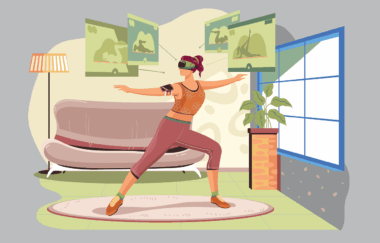
Virtual reality (VR) and augmented reality (AR) are also beginning to make waves in the home fitness tech scene. These technologies have the potential to revolutionize the way individuals engage with their workouts by immersing them within a digital environment. VR and AR experiences can transport users to various landscapes, complementing their workout routines with interactive gaming elements. For example, users could cycle through scenic routes or run along beach paths, seamlessly merging physical fitness with an entertaining and engaging experience. Such innovative ways of exercising motivate users to push through workouts, making exercise less of a chore and more of a fun activity. Fitness brands are now tapping into this potentially lucrative area, developing apps and platforms specifically designed for VR environments. As technology advances, incorporating these features into home gyms could become standard practice. The integration of immersive technologies signifies an exciting future for home fitness enthusiasts. The prospect of an engaging and fun workout experience has shifted perceptions of fitness as merely a disciplined venture.
Future Outlook
The future of home fitness technology seems incredibly promising. With rapid innovation, there is no doubt that even more sophisticated advancements will emerge, pushing boundaries and improving the user experience. Companies continuously strive to deliver enhanced equipment, software, and community features. Each development aims to provide a comprehensive fitness solution that meets the diverse needs of users. Personalization remains a critical focus, with tech companies looking to refine algorithms capable of tailoring workouts to individual abilities, preferences, and goals. This data-driven approach will likely enable users to maximize their potential as they embark on their fitness journeys. Furthermore, partnerships between fitness organizations and tech firms could lead to breakthroughs that elevate exercise beyond simply completing workouts. A strong emphasis will also be placed on wellness, ensuring that mental health is considered alongside physical fitness. As the industry adapts to consumer demands, expect to see a continued growth in engagement and participation within the home fitness community. This exciting period of evolution stands as a testament to humanity’s quest for better health and wellness.
In conclusion, the evolution of home fitness technology has cemented a place in our daily routines. Innovations such as smart wearables, interactive mirrors, subscription services, and immersive experiences have transformed how we approach physical fitness. The shift from traditional methods to advanced tech solutions showcases our growing reliance on technology to enhance everyday living. The seamless integration of fitness into our homes demonstrates an understanding of the necessity for improved accessibility and engagement. Additionally, the competitive nature of the fitness industry fuels continuous evolution, adapting to the diverse demands and preferences of consumers. As technology shapes the future of fitness, new opportunities for personal growth and community engagement will arise. Empowered individuals equipped with state-of-the-art solutions can achieve their fitness goals while nurturing their overall well-being. The advent of home fitness technology illustrates the potential of innovation in improving quality of life. Embracing these advancements will not only help us achieve better health outcomes but also foster a culture of fitness that lasts for generations to come.