
Taekwondo Training Drills to Enhance Speed and Agility
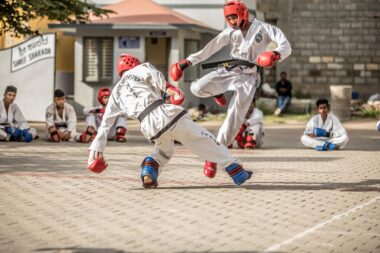
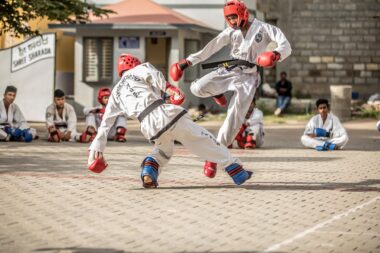
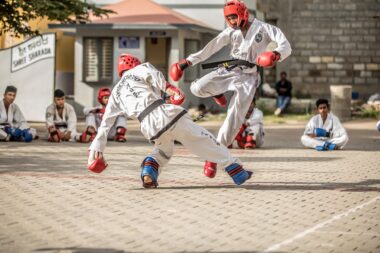
In Taekwondo, developing speed and agility is essential for effective performance in sparring and competitions. Players can utilize various drills specifically designed to enhance these critical skills. A popular combination is lateral movement drills, which improve directional speed. To execute them, draw a line on the floor and practice moving side to side while maintaining a low stance. Additionally, high knees drills can increase foot speed. In this exercise, participants should focus on raising their knees toward their chest as they run at a moderate pace. Incorporating cones for shuttle runs emphasizes rapid changes of direction, crucial for winning matches. This involves sprinting towards a designated cone, touching it, and sprinting back to the start. These drills not only boost speed, but they teach body control and balance, crucial traits for any martial artist. Furthermore, teamwork and camaraderie can be fostered when drilling with partners, making the training engaging and effective. Coaches should ensure all drills are adjusted for the participant’s age and skill level for optimal results.
Strengthening Footwork Techniques
Footwork techniques are at the heartbeat of Taekwondo, playing a vital role in both offense and defense. Practicing specific footwork drills is paramount to mastering agility. One effective drill is the “step and slide” method. Here, students practice stepping forward quickly while sliding back, simulating real sparring scenarios. Another essential exercise involves rapid toe taps utilizing a step box. The objective here is to alternate tapping each foot rapidly on the box, enhancing speed and coordination. Shadow boxing contributes to focusing on movement patterns without the distraction of a partner. During these sessions, practitioners should visualize their opponents to improve reaction time in a real-world scenario. Situational sparring drills can be intriguing; use varying distances and angles to simulate different attackers’ approaches. As practitioners become proficient, increase the speed to create a more dynamic experience. Engaging in footwork challenges helps maintain motivation and creates a competitive spirit. By incorporating these drills, Taekwondo fighters will experience sharper reflexes, better balance, and heightened overall performance when facing off against their opponents.
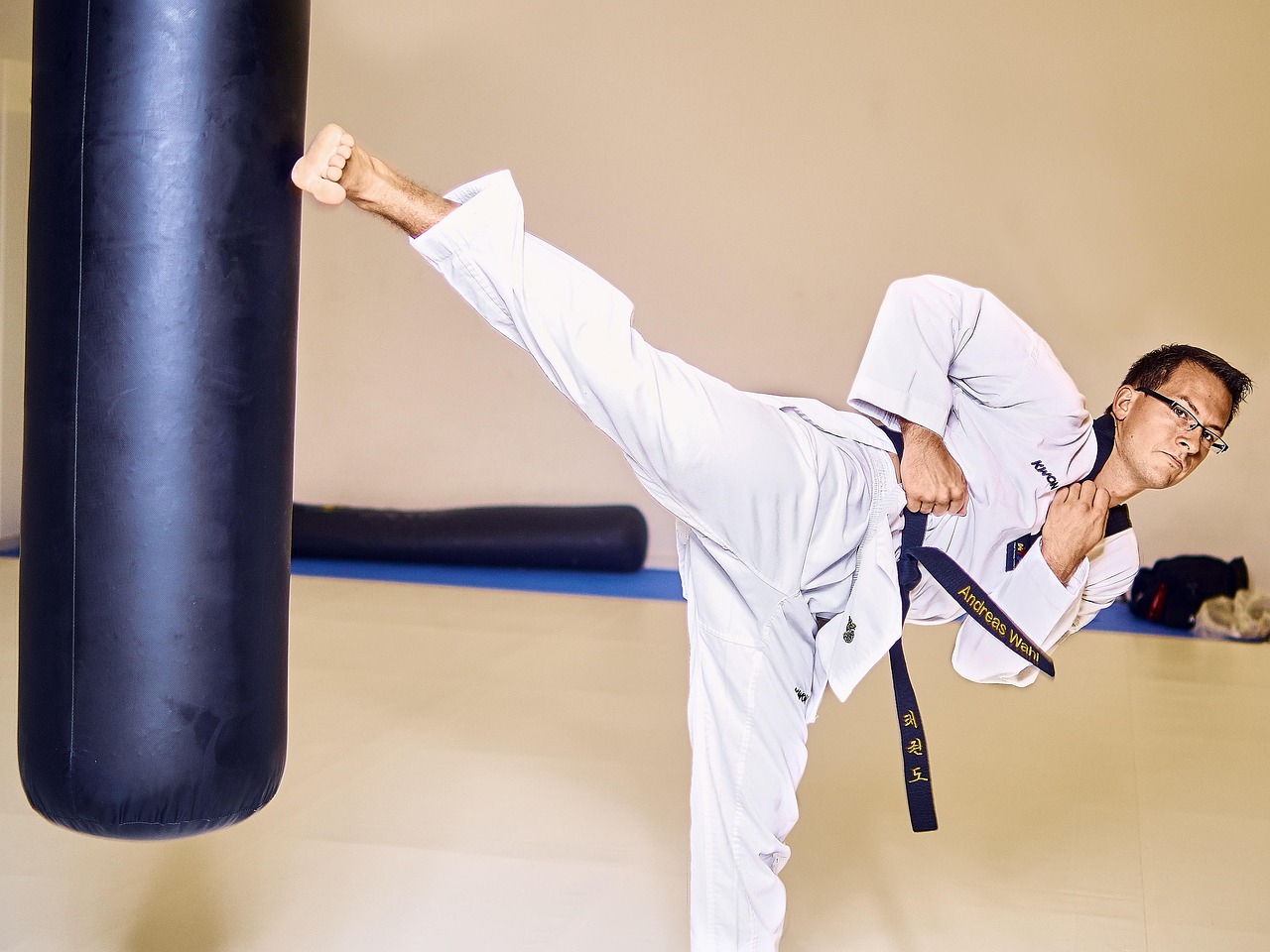
Speed and agility drills don’t just enhance physical capabilities; they also foster mental discipline and quick-thinking. Practitioners can benefit from reaction drills that challenge their reflexes. One effective approach is to partner up and utilize focus mitts or paddles. The trainer will randomly change positions and directions while the student practices kicking with precision and speed. Another beneficial drill is the application of interval sprints. This requires short, intense bursts of speed followed by quick recovery periods, simulating the push-and-pull nature of Taekwondo matches. By alternating between different kicking techniques on a timing basis, students learn to adapt quickly to changing situations. Speed-focused bag drills, where practitioners kick with rapid succession on a heavy or focus bag, develop technique and explosive power. Encouraging students to count their strikes creates a sense of competition, motivating them to push further. Lastly, analyzing performance through video sessions can provide insights, allowing for adjusted strategies that emphasize speed and agility in their training. Ultimately, the collective integration of these drills results in a more comprehensive combat skillset.
Utilizing Plyometric Exercises
Plyometric exercises are exceptional for improving speed and agility within the context of Taekwondo training. These workouts focus on explosive movements that enhance power, which is essential for executing techniques rapidly. Box jumps are one such exercise; practitioners can boost their lower body strength and explosive capabilities. Setting a target height encourages participants to push their limits. Another highly effective plyometric drill is the burpee, which combines a squat, pushup, and jump into a single explosive movement. This all-in-one workout significantly boosts cardiovascular fitness while emphasizing fast-paced agility. Vertical leaps are also crucial, focusing on maximum height when jumping with both feet. Regularly practicing these drills can train the muscle fibers responsible for speed, leading to quicker kicks and shifts in stance. Additionally, integrating agility ladders allows for unique footwork patterns that require quick shifts and precise foot placement. To maximize the benefits of plyometric training, practitioners should pay close attention to recovery periods and their overall balance in training routines. This multifaceted approach results in optimal improvements in agility and speed.
Another key aspect of increasing speed and agility in Taekwondo training is proper warm-up and cool-down routines. Understanding the importance of a well-structured warm-up cannot be overstated, as it prepares the body for intense physical activity, reducing injury risks. Dynamic stretches involving full-body movements can enhance blood flow, making practitioners more agile. Exercises like leg swings and arm circles promote flexibility, contributing to better performance. Following practice, a cool-down is equally crucial. Incorporating static stretches can aid in recovery and elongate the muscles engaged during training. This decrease in muscle tightness not only improves overall flexibility but also maintains speed capabilities by preventing injuries. Moreover, consistent practice of developing mobility through yoga or specific stretching routines can lead to increased agility over time. By prioritizing these essential components, martial artists ensure that they are better equipped to train effectively while minimizing health risks. In the competitive atmosphere of Taekwondo, staying physically prepared with proper routines can provide a competitive edge during matches. Ultimately, a holistic approach combining drills, conditioning, and recovery is vital.
Incorporating Technology in Training
In the modern era, technology plays an exciting role in enhancing speed and agility training in Taekwondo. Coaches and athletes can leverage various digital tools to optimize their routines. Wearable devices like fitness trackers provide insights into heart rate, steps, and overall performance metrics. This data guides adjustments in training intensity and duration based on individual assessments, ultimately maximizing results. Video analysis software allows practitioners to review their techniques, identifying areas for improvement. By breaking down movements frame by frame, students gain a clearer understanding of their kicking speed and agility. Virtual reality (VR) simulations can also enrich training experiences, offering immersive sparring scenarios without the need for a partner. These technologies not only sharpen physical skills but also enhance cognitive responsiveness. Engaging in gamified training apps can motivate young practitioners by incorporating competitive aspects into drills, making training more enjoyable. Furthermore, incorporating social media fosters community sharing, allowing practitioners to exchange tips. Harnessing the power of technology in these ways cultivates a more advanced and comprehensive approach to Taekwondo training.
Finally, it is essential to remember that the journey to enhance speed and agility in Taekwondo is a continuous process. Practitioners should regularly set performance goals and assess their progress through consistent evaluation. Engaging in feedback with coaches encourages dialogue and supports individual growth. Building a support system among peers will strengthen commitment toward shared objectives. Competing with others in practice helps maintain motivation and accountability. As improvement unfolds, successfully executing techniques with increased speed and agility will boost confidence in matches. Incorporating the principle of gradual overload can also promote muscular adaptations, ensuring that training remains effective over time. Celebrating small wins along the journey fosters positive reinforcement, helping combat challenges with resilience. Aspiring Taekwondo athletes must balance determination with patience, acknowledging that success takes time and effort. Therefore, maintaining enthusiasm for practice and embracing challenges is crucial to achieving excellence in martial arts. Ultimately, the commitment to training will yield not just physical rewards but personal growth and resilience, making the journey fulfilling and worthwhile.
In conclusion, consistent training focusing on speed and agility is paramount in developing competent Taekwondo practitioners. By integrating diverse drills, smoothies, and modern technology, martial artists can achieve remarkable progress in these key areas. Whether it’s lateral movements, plyometric exercises, or using innovative gadgets, every aspect contributes to becoming a formidable competitor. Together with mental fortitude, discipline, and strategic thinking, enhanced speed and agility align with success in Taekwondo. Committing to the structured approach fosters a deep love for the art, turning challenges into stepping stones for self-improvement. The journey undertaken in sharpening these core skills strengthens both body and mind, reflecting in the practitioners’ overall mastery. It is this dual enhancement that positions martial artists for greatness, empowering them to excel on the mat. Therefore, all aspiring Taekwondo enthusiasts should prioritize speed and agility drills in their training regimens. Combining traditional techniques with modern strategies creates a holistic training experience, equipping practitioners to face opponents confidently. Ultimately, the quest for growth and improvement reflects the essence of martial arts, blending physical capability with emotional development.