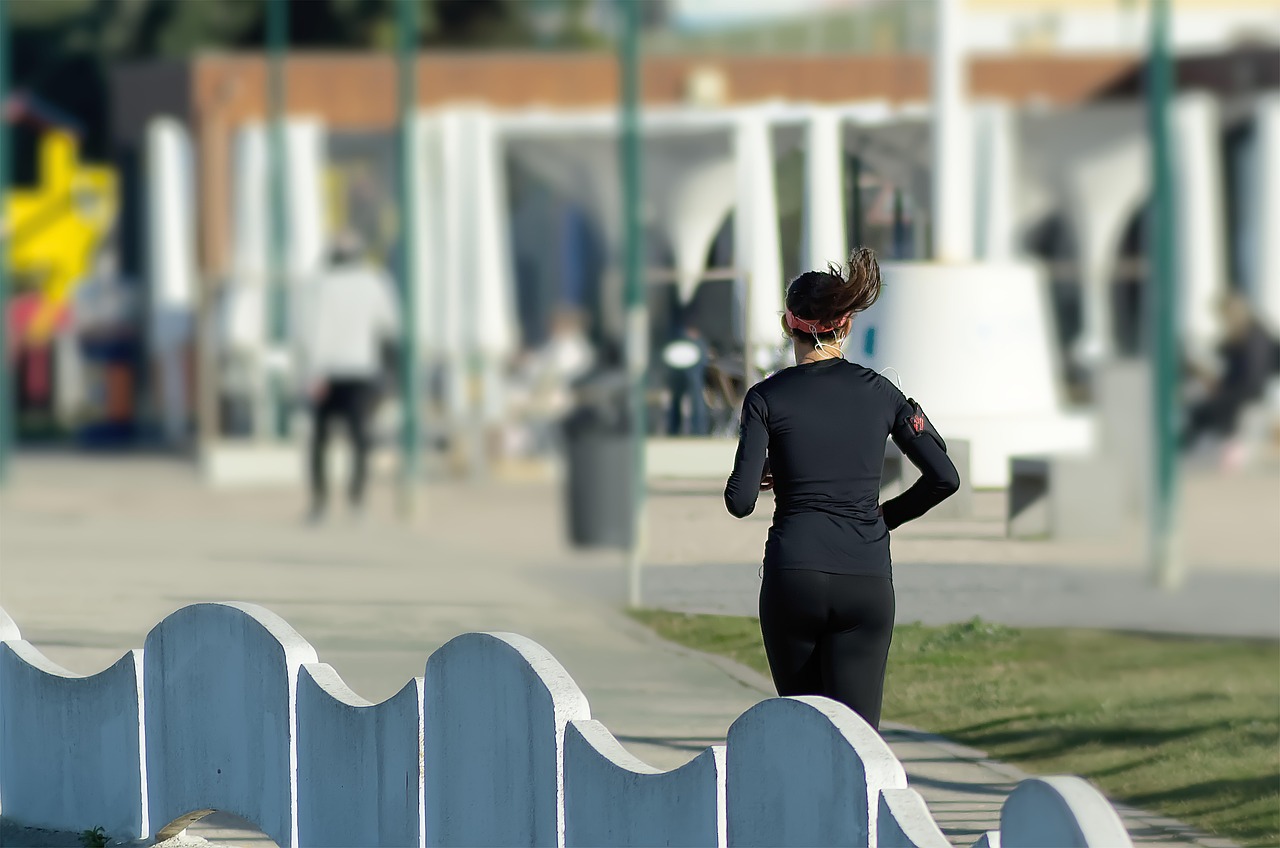

Running in Urban Areas: Safety Tips for Joggers
Urban running can be both exhilarating and challenging due to various environmental factors. For a safe experience, stay alert to traffic and pedestrians while you jog. Always make eye contact with drivers at intersections to ensure they see you before crossing. If running during early morning or late evening hours, wear reflective clothing or accessories that increase visibility. This simple adjustment can significantly enhance your safety. Consider using a running app that tracks your route and estimated time, allowing others to monitor your progress. Utilizing sidewalks and dedicated paths instead of running on the road can improve safety. Familiarizing yourself with your running route and knowing where emergency services are located can provide peace of mind. Always run against traffic if there are no sidewalks to remain visible to drivers. Stay equipped with your phone in case of emergencies. Remember to hydrate before and after your run to maintain your energy levels. You can also use shoes that offer ample support to reduce the risk of injury while navigating urban terrains. These tips can ensure you have a productive run while staying safe in urban environments.
Be Aware of Your Surroundings
Being attentive to your surroundings is crucial when running in urban spaces. Keep an eye on changing conditions such as weather, roadworks, or construction areas. Be cautious of uneven surfaces that could cause accidents, especially in poorly lit areas. Use your senses to watch out for cyclists and skateboarders who may approach from behind. Jogging with earbuds can diminish awareness of your environment; consider using a single earbud or leaving them behind. If you run with your dog, use a leash to keep control and be aware of other pedestrians. Always try to avoid deserted areas, especially at night; choose well-lit, populated streets instead. Joining a running group can also enhance your safety by providing social company and mutual support during the run. Communicating with others about your planned route and expected return time is wise for safety. Carry a whistle or personal alarm to alert others during emergencies. Remember, experiencing the urban landscape should not compromise your personal safety. Implementing these tips can enable a more enjoyable and secure running experience in city environments.
Essential Running Gear
Choosing the right gear is crucial for both comfort and safety during urban jogging. Start with well-fitted running shoes that offer proper arch support. Invest in moisture-wicking clothes that help regulate body temperature and decrease the risk of chafing. Visible clothing is essential, especially when running at dawn or dusk; bright colors and reflective materials are beneficial. Consider using a running belt or pouch for carrying your phone, keys, and identification. Hydration packs can be excellent for longer runs or warm weather. Always wear a smartwatch or fitness tracker to keep tabs on your pace and distance. In particular, select a watch that can connect to GPS for real-time updates. Sunscreen is vital for protecting your skin from UV rays, even on cloudy days. A hat can shield your face and eyes from sun exposure while keeping you cool. Essential gear not only enhances comfort during a run but also contributes to overall safety within urban environments. Selecting the right equipment can improve performance and prevent injuries, ensuring a positive running experience.
Planning your running route is essential for avoiding hazards in urban areas. Familiarize yourself with safe streets and neighborhoods, possibly using a local running app for suggestions. Popular urban parks often feature multi-use paths ideal for joggers, away from road traffic. Check local regulations regarding running, as some areas may have specific rules. Initially, try running during daylight hours to assess your route and its safety for evening runs later. Consult local running clubs or communities for insights into the best trails and safest paths to explore. They may suggest secret spots that are enjoyable yet safe. Keep a backup route in your phone in case your initial plan changes. Revisit established trails as you become more comfortable with your surroundings. Also, consider connecting with a jogging buddy to share paths and verify safety. Running in pairs or groups can be empowering and safer, as you can support each other physically and mentally. These practical tips enable you to enjoy urban running while remaining aware of your surroundings and potential risks.
Emergency Preparedness
Preparation for emergencies is a fundamental aspect of running in cities. Before your run, inform a friend or family member about your destination and estimated return time. This simple act can provide crucial support during unexpected events. Carrying a fully charged phone is vital; familiarize yourself with emergency contact numbers. Consider implementing a wearable device with emergency features for added safety. During your run, stay aware of exits along your route in case you need to access facilities quickly. Carrying a small first aid kit can be beneficial for minor injuries; these kits usually include band-aids, antiseptic wipes, and adhesive strips. If you’re running in an unfamiliar area, remembering key landmarks can help you navigate and find your way back if needed. If you happen to be approached by an aggressive individual, trust your instincts and seek assistance immediately. Trust your gut; if a location feels off, don’t hesitate to change your path or head home early. By implementing these practices, you’ll feel more secure during your urban running experience.
Know Your Limits
Understanding your personal limits is essential in urban running. Gradually increase your distance and pace to avoid injury; pushing too hard can lead to burnout or accidents. Stay attuned to your body’s signals and take breaks when necessary, especially in urban settings where additional stressors abound. Avoid distractions that might make it challenging to listen to your body, such as using headphones excessively. Regularly assess your energy levels and adjust your pace accordingly to maintain performance. Knowing when to pause or cut your run short is vital for ongoing fitness and well-being. Ensure you have a balanced training schedule that integrates rest days and cross-training activities; this strengthens different muscle groups and helps prevent injuries in the long run. Don’t succumb to the ‘no pain, no gain’ mentality; staying healthy is paramount. Staying hydrated before, during, and after your jog also supports recovery. Understanding your limits ultimately results in a more enjoyable and sustainable running practice. Fair use of your body will keep you running stronger for years to come.
Community Engagement
Engaging with the running community is a rewarding strategy to enhance urban running experiences. Join local clubs and organizations that encourage running; they can offer access to training sessions and events. Participating in group runs can boost motivation while providing social connections. Many urban runs include organized races, which are fun and help build camaraderie. Sharing experiences and tips within the community can facilitate friendships with other runners. Connecting with local social media groups or online forums can offer additional information on running routes, potential hazards, and community events. Many communities also hold fundraising events for local charities during runs; consider participating to promote good causes while enjoying your running practice. Coordinating runs to support community initiatives can also spread awareness of safety in urban areas. The collective effort of community members builds a safer environment for joggers and connects you with fellow enthusiasts. The social aspect of running fosters a sense of belonging; embrace this opportunity. Ultimately, these connections contribute significantly to a positive running experience in urban locations.
Conclusion
In summary, jogging in urban areas comes with unique challenges, yet embracing safety measures will enhance your experience. Awareness of your surroundings, selecting proper gear, and understanding emergency protocols are vital components of a safer run. Know your personal limits to sustain a healthy running routine while maximizing enjoyment. Engage with the local community to share tips and build lasting relationships with fellow runners. Leverage unique running paths and strategies to navigate urban environments better while staying safe. Avoid distractions, communicate with others, and consistently monitor your body’s signals. Being prepared and proactive increases your security while enjoying the cityscape. By implementing these safety tips, you create a fulfilling and enjoyable running journey in the urban setting. Remember that the more informed you are about safety and your environment, the better equipped you may be to manage unforeseen challenges that arise while jogging. With these insights, you can confidently pursue your running goals, balancing enjoyment and safety as you explore the urban landscape. A dedicated focus on safety elevates the joy of running to new heights, ensuring you can continue jogging for years to come.