
Kids and Balance: Activities to Develop Coordination Early
Balance is an essential skill that children must develop as they grow. Engaging in activities to enhance balance helps children in their everyday tasks. Balance impacts walking, running, and even sitting properly. Focused play not only enhances physical skills but fosters emotional and mental health. Incorporating fun exercises creates an enjoyable atmosphere that encourages children to participate. Simple activities, such as walking on a line, are effective ways to practice balance at home or in classrooms. You can easily set up a balance beam for indoor or outdoor fun. Make it colorful and inviting! Did you know that coordination develops as they progress with balance activities? They strengthen muscles while improving focus and concentration. Make sure to engage with your child during these activities. This collaboration not only improves their skills but strengthens your bond. Activities can also be organized in small groups, promoting socialization with peers while learning together. Keeping a journal of progress can encourage them and instill a sense of achievement with improving balance skills. Remember to praise their efforts and celebrate every success, no matter how small.
Fun Games to Enhance Balance
There are several enjoyable games to help children improve their balance. One of the classics is playing “Simon Says.” This game can incorporate movements such as balancing on one foot or walking heel to toe. Another fantastic game is the “Balance Challenge,” where kids complete tasks like standing on one leg or holding specific poses. Use a timer and see who can maintain balance the longest. Consider outdoor activities like hopping and skipping, which also build coordination. Utilize fun props, such as bean bags, that children can balance on different body parts. This playful exercise enhances motor skills while children enjoy themselves. Dance parties can also provide an excellent balance practice, allowing kids to sway and twist to music. Encourage unique movements that require coordination. Incorporating trampoline jumping helps build strength, stability, and balance. Ensure safety by using proper supervision. You can even create an obstacle course in your backyard, challenging children to navigate different terrains while maintaining their balance. These games can teach valuable lessons about falling down and getting back up. Remember, fun is the key to successfully developing coordination!
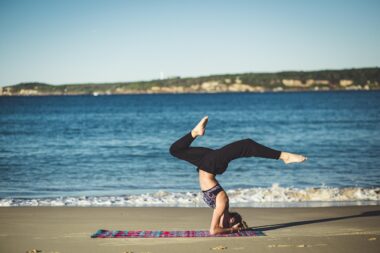
Yoga is another fantastic activity that helps cultivate balance and coordination. Simple poses such as the tree pose or warrior pose can effectively engage children and encourage better posture. Introducing breathing techniques can enhance focus and calmness, making yoga a holistic approach. Classes specifically designed for children can be a captivating way to initiate yoga. Furthermore, you can practice yoga at home using colorful mats to make it engaging. Participating together strengthens the parent-child bond and reinforces balance skills. Another creative option is walking on different surfaces, like grass, sand, or pebbles. Each surface poses unique challenges and enhances stability and coordination. You might also involve creative arts and crafts, like balance-related tasks where they make sculptures that stand unsupported. Utilizing everyday objects like pillows or cushions makes the task enjoyable and safe. Interactive applications or videos can offer additional guidance for parent-child activities while focusing on balance. Explore online resources providing easy-to-follow instructions for various activities. Balance training can transform into an exciting component of children’s lives, resulting in a more physically active lifestyle and increasing their confidence level significantly.
Combining Balance with Daily Routines
Another approach to develop balance is integrating it into daily routines. Simple activities such as brushing teeth or tying shoelaces can be opportunities for balance practice. Children can try standing on one foot while performing these routines, making mundane tasks playful. Engaging them in chores like cleaning or gardening gives them skill-building practices. As they carry lightweight items while balancing, they’re developing coordination naturally. You might also transform family outings into balance training. Parks often have equipment like balance beams, climbing frames, or logs. Encourage children to experiment with balance while playing outside, benefiting from social interaction with peers. Another effective integration is through storytelling, where physical activities accompany stories. Children balance while pretending to be specific characters, associating stories with movement, fun, and skill development. Additionally, establishing family sports evenings can facilitate group practice of balance skills. From soccer to badminton, teams develop coordination and teamwork. These enjoyable routines helping them stay engaged with skill-building. Remember to acknowledge their efforts and make adjustments based on their skill level. This adaptability allows balance training to continue developing alongside their growth and confidence.
Interactive videos and online tutorials can inspire new activities focused on balance. Many platforms offer fun dance challenges or yoga flows that children can replicate. Watching others demonstrate techniques can motivate and engage them in attempting these movements. Consider organizing playdates where children can introduce their favorite balance games to each other. This collaborative approach makes practicing balance fun and social. Community programs or classes can also offer professional guidance on balance activities. Check local centers or parks for options tailored to early childhood. Materials such as exercise balls provide exciting challenge options for balance, engaging children to maintain stability. You can also set up simple balance tests, like standing on one leg or walking backward. Kids enjoy friendly competition, which promotes continued participation and progress. Remember to use encouraging language and provide support in challenging moments. Balance can be developed through various methods, and children thrive on consistency and motivation. Engaging them within familiar environments can solidify their learning. The journey towards improved balance is filled with fun adventures, fostering a lifelong appreciation for physical activity.
Progress Tracking and Motivation
Tracking balance progress is an essential step to encourage children and instill a sense of accomplishment. Journals or charts can be customized to note their skills and achievements, serving as tangible proof of their dedication. Include fun stickers or drawings that represent their milestones. Having a visually stimulating progress tracker motivates children to strive for improvement continually. Celebrate small successes through basic rewards or recognition. Remember, positive reinforcement can significantly impact motivation. Making practice fun rather than a chore is crucial, as children are more likely to engage willingly in enjoyable activities. Additionally, sharing their progress with friends or family members can deepen their sense of pride. Organize little competitions with friends or neighbors to see who can master various balance tasks first. Create post-event celebrations that acknowledge everyone’s efforts. Focus on growth rather than competition, emphasizing teamwork and cooperation among all participants. This approach fosters a supportive community around balance activities. Ultimately, when children feel appreciated, they are more likely to explore new activities, solidifying the balance skills they are developing. The desire to improve will naturally emerge, enriching their overall experience and encouraging lifelong physical activity.
In conclusion, developing balance in children is essential for their physical and emotional growth. Engaging in various activities allows them to experience the fun while learning. From games to yoga, every experience contributes valuable skills that shape their future. Creating opportunities for balance enhancement within their daily routines lays the groundwork for active lifestyles. Remember that early investments in balance skills offer significant long-term benefits. Encouraging participation, both alone and with family, transforms the learning experience. Celebrate each success, however small, builds self-esteem. This positive reinforcement encourages them to tackle challenges and continue developing balance through their lives. The involvement of friends and peers emphasizes social skills, contributing to well-rounded development. Ultimately, children learn that perseverance, patience, and practice produce rewarding results. Over time, these activities become second nature, helping them navigate physical challenges more confidently. Fostering coordination through balance activities is a journey filled with joy and personal growth. Treasure each moment spent together while nurturing their skills as they grow. Early and consistent balance practice results in children thriving in and outside their everyday activities.