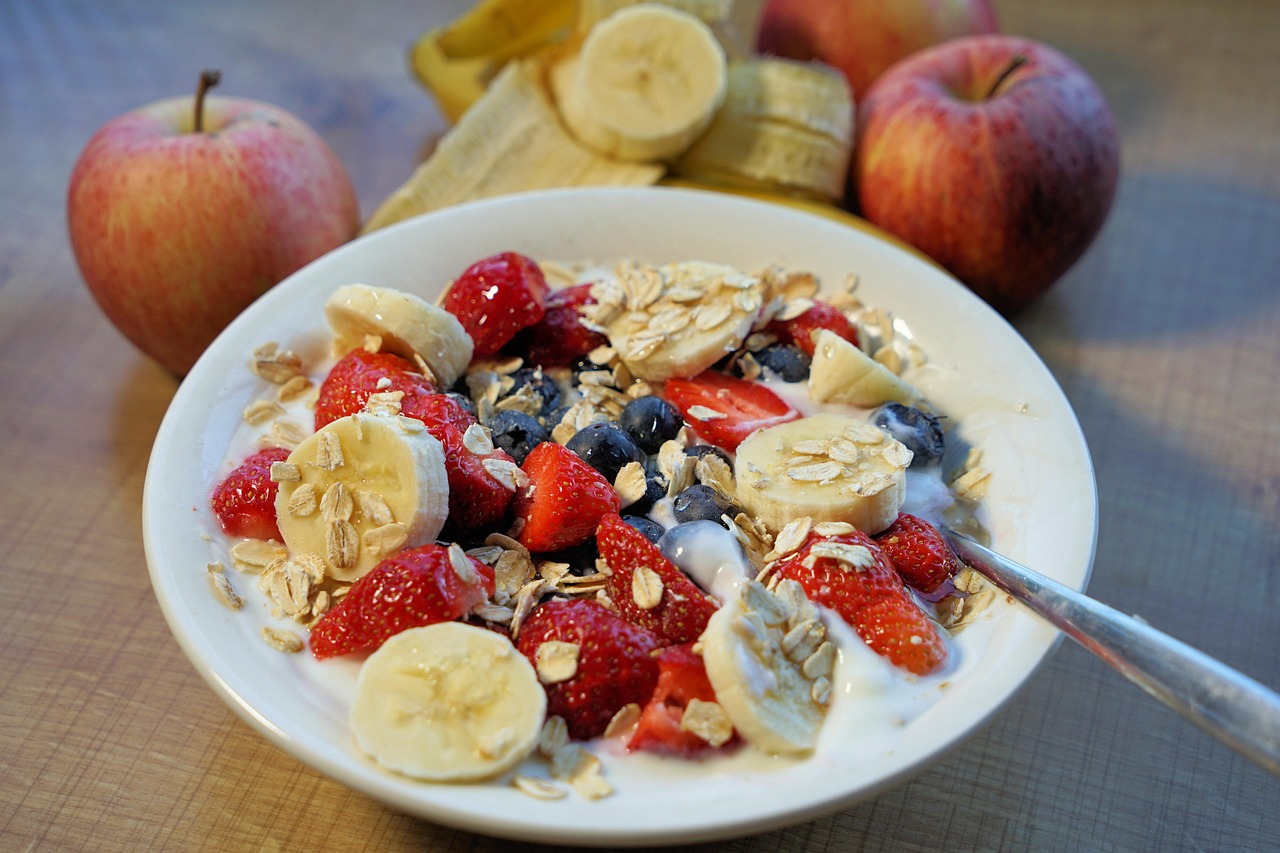

Do Breakfast Cereals Help or Hinder Weight Loss?
Breakfast cereals have been marketed as a convenient and healthy breakfast option for many years. However, misconceptions abound regarding their benefits and drawbacks, particularly in relation to weight loss. One common myth is that all breakfast cereals lead to weight gain. In reality, different cereals have varying nutritional profiles. It’s essential to distinguish between whole grain cereals that are rich in fiber and those high in sugar. Choosing the right cereal can aid weight loss by promoting satiety and preventing overeating later in the day. Many cereals contain added sugars which can contribute to weight gain and should be avoided when aiming for a healthy diet. Additionally, the portion size plays a vital role in weight management. Eating excessive amounts of high-calorie cereals defeats the purpose of a low-calorie diet. Moreover, adding toppings like fruits and nuts can enhance nutrition but increase caloric intake. It is crucial to read labels and understand the ingredients when selecting cereals, so consumers can make informed decisions if they truly wish to support their weight loss goals effectively.
Another prevalent myth surrounding breakfast cereals is that they are inherently unhealthy due to their carbohydrate content. While it is true that carbohydrates can contribute to weight gain when consumed in excess, they are a significant source of energy necessary for daily functions. Not all carbs are created equal; whole grains are beneficial in moderation and can support weight loss. Many breakfast cereals are fortified with essential vitamins and minerals, which may also add nutritional value. The key lies in moderation and choosing cereals that use whole grains as a primary ingredient, ensuring adequate fiber and lower sugar levels. Fiber plays a crucial role in digestion and can promote feelings of fullness, reducing the likelihood of snacking throughout the day. Emphasizing the importance of a balanced diet that incorporates various food groups can prevent the pitfalls of relying solely on cereals for breakfast. Ultimately, cereals can fit into a nutritious diet, but ongoing attention to ingredient quality and portion control is essential in reaping their benefits without compromising dietary goals.
Additionally, many believe that breakfast cereals are a quick fix for weight loss, often overlooking the importance of overall dietary habits. Relying solely on cereals, regardless of their type, will not yield long-lasting weight management benefits. It is crucial to adopt a holistic approach to nutrition, incorporating whole foods that are diverse and nutrient-dense. Processed cereals might lack the essential nutrients necessary for maintaining a balanced diet when consumed excessively. Proteins, healthy fats, and fresh fruits and vegetables play important roles in a sustainable weight loss plan. For those who enjoy breakfast cereals, combining them with protein sources like milk or yogurt can help create a more satisfying meal while providing the necessary fuel for various activities throughout the day. Including a variety of foods allows individuals to enjoy the flavors they love while contributing to their nutritional needs. This approach fosters a healthier relationship with food and reduces the likelihood of returning to unhealthy eating patterns which may have caused weight issues in the first place. Ultimately, moderation and variety are critical for success.
Identifying Healthy Breakfast Options
Understanding how to identify healthy breakfast options among cereals can significantly influence weight loss efforts. First, opt for cereals that list whole grains as the primary ingredient. Whole grains like oats, barley, or brown rice provide essential nutrients, including fiber, that can aid digestion and promote feeling full. Additionally, check the nutrition facts label for added sugars. Generally, healthier cereals contain less than 10 grams of sugar per serving. When browsing the cereal aisle, also look out for cereals that include nuts, seeds, or dried fruits to enhance both taste and nutritional content. Portion control cannot be underestimated, as it is crucial to avoid consuming excessive calorie amounts. Experimenting with serving sizes and adding fresh fruits can create a more balanced meal that compliments individual dietary preferences. Lastly, try to avoid cereals with unhealthy additives or artificial ingredients, as they may detract from a healthy breakfast experience. Adopting these mindful practices will empower consumers to choose the most satisfying breakfast cereals while supporting their weight loss goals effectively.
Another common belief is that liquid breakfast meals, such as smoothies or milkshakes, are better than solid cereals for weight loss. However, this perspective might not always hold true. While smoothies can provide essential nutrients when made correctly, many store-bought options are packed with hidden sugars and calories. Conversely, traditional breakfast cereals can supply substantial protein and fiber, which are essential for satiety. When paired with dairy or non-dairy milk, they can deliver a balanced meal that keeps hunger at bay longer. Furthermore, solid meals generally require more thorough chewing and digestion time, which can enhance satisfaction. Consuming thoroughly chewed foods prompts your body to signal fullness more effectively. Combining cereals with fresh fruits, such as berries or bananas, can further increase the meal’s nutritional value, ensuring that essential vitamins are included. While the ease of smoothies is enticing, solid options, including breakfast cereals, should not be overlooked in a balanced weight loss strategy. Recognizing the distinct benefits of each type of meal can strengthen overall dietary health and aid in achieving long-term goals.
Finally, individuals often underestimate the role of breakfast timing in relation to weight management. Skipping breakfast, even when consuming cereals, can trigger overeating later in the day. Studies have shown that a healthy morning meal, including nutritious cereals, can stabilize blood sugar levels, curbing cravings and reducing unhealthy snacking. The notion that skipping breakfast equates to easier calorie control is misleading and often counterproductive. Consuming a balanced breakfast can jumpstart metabolism and contribute to an energy boost for morning activities. Furthermore, incorporating regular breakfast habits encourages a structured eating routine that supports overall health. Timing meals effectively throughout the day enhances metabolic function while allowing for essential digestion processes. It’s essential to consider not only what foods are eaten but also when they are consumed. Developing time-efficient routines can help facilitate a healthier lifestyle while minimizing impulsive eating behaviors. The belief that breakfast cereals are solely guilty or beneficial rests heavily on individual choices, and redefining breakfast habits holds the potential to propel successful weight management.
Final Thoughts: Balancing Cereal Choices
In conclusion, the debate on whether breakfast cereals help or hinder weight loss requires thoughtful consideration of various factors. Sifting through myths helps individuals avoid common pitfalls associated with weight management and breakfast choices. When fortified with whole grains, proteins, and fiber-rich ingredients, breakfast cereals can indeed serve as a healthy addition to diets. It is crucial to adopt a comprehensive approach to nutrition, focusing on balance and variety, rather than solely relying on cereals. Reading labels, controlling portions, and considering timing can help optimize breakfast choices that support weight loss goals. Ultimately, embracing a holistic understanding of the nutrition available can empower individuals to make informed choices. To maintain sustainable weight loss, having a balanced breakfast is only a part of the larger picture. Integrating healthy habits throughout the day, including a mix of wholesome foods, contributes significantly to overall success. By doing so, consumers can enjoy breakfast cereals without compromising their dietary goals and adopt healthier eating habits that last a lifetime.