
Unlock Your Full Athletic Potential with These Mobility Techniques
Mobility drills are essential for athletes who want to enhance their performance and prevent injuries. By incorporating specific movements into their training routine, athletes can improve their flexibility, range of motion, and overall biomechanics. This article will discuss various mobility drills designed to help athletes feel more comfortable and capable during their activities. The focus is on drills that can be easily integrated into warm-ups or cool-downs. Each drill targets specific areas of the body to maximize effectiveness, promoting better performance on the field, court, or track. Consistency in performing these drills is key; make sure to incorporate them regularly. Just five to ten minutes a day can lead to significant improvements over time. Remember, every athlete is unique, so listen to your body and adjust exercises as needed. Additionally, consider working with a coach or trainer to create a tailored mobility program aimed at your specific sport and goals. Whether you’re a seasoned pro or a weekend warrior, mobility training is a vital part of your fitness journey, unlocking your full athletic potential.
Upper Body Mobility Drills
Upper body mobility is crucial for athletes participating in sports such as basketball, tennis, or swimming. By improving shoulder and thoracic spine flexibility, athletes can enhance their performance significantly. One effective drill is the shoulder dislocate, which can be performed with a resistance band or a broomstick. To execute this drill, hold the band or stick above your head with a wide grip, and gently lower it behind your back without bending your elbows. Repeat this movement slowly for 10 to 15 repetitions, focusing on keeping your core tight and maintaining proper posture throughout. Another great exercise is the thoracic spine rotation, where you sit on your knees and twist your torso side to side, which increases mobility in your upper back and prepares your body for dynamic movement. The cat-cow stretch is also beneficial in mobilizing your spine while stretching your shoulders and hip flexors. Make sure to incorporate these drills into your regular routine, as they can help promote better arm mechanics in various athletic situations, ultimately leading to improved performance.
Lower body mobility is equally important for athletes, particularly those involved in sports that require explosive movements, such as sprinting, jumping, and agility training. One recommended drill is the deep squat hold. With your feet shoulder-width apart, lower yourself into a squat position and hold for 30 seconds. This drill increases flexibility in your hips and improves your overall squat mechanics. Another effective exercise is the hip flexor stretch. To perform this stretch, kneel on one knee while pushing your hips forward, feeling a gentle stretch in the front of your hip. Hold this position for 20-30 seconds before switching legs. Additionally, consider incorporating the leg swings drill, where you swing each leg forward and backward while standing. This action helps improve hip and hamstring flexibility, essential for athletic activities. These lower body mobility drills will be beneficial for athletes who want to enhance their overall performance and reduce their risk of injury during training and competition.
Dynamic Stretching Techniques
Dynamic stretching is an active form of stretching that has gained popularity among athletes for its efficacy in warming up the body before intense training or competition. These specific mobility exercises are designed to prepare muscles and joints, improving performance and reducing the risk of injury. Common dynamic stretches include leg swings, high knees, and arm circles. Incorporating these movements into your warm-up can enhance blood flow to targeted muscle groups, allowing the body to perform at its best. When executing leg swings, hold onto a stable surface for support and swing each leg forward and backward while keeping your core engaged. This exercise helps improve hip and hamstring mobility. High knees involve marching or jogging in place while emphasizing bringing the knees up to hip level, which activates the hip flexors and quadriceps. While performing arm circles, extend your arms out to the sides and make controlled circular movements. Dynamic stretching should be done for about five to ten minutes, making it an ideal way to prepare your body for the demands of training and competition.
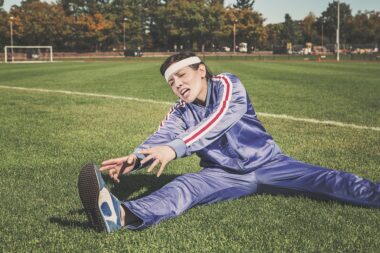
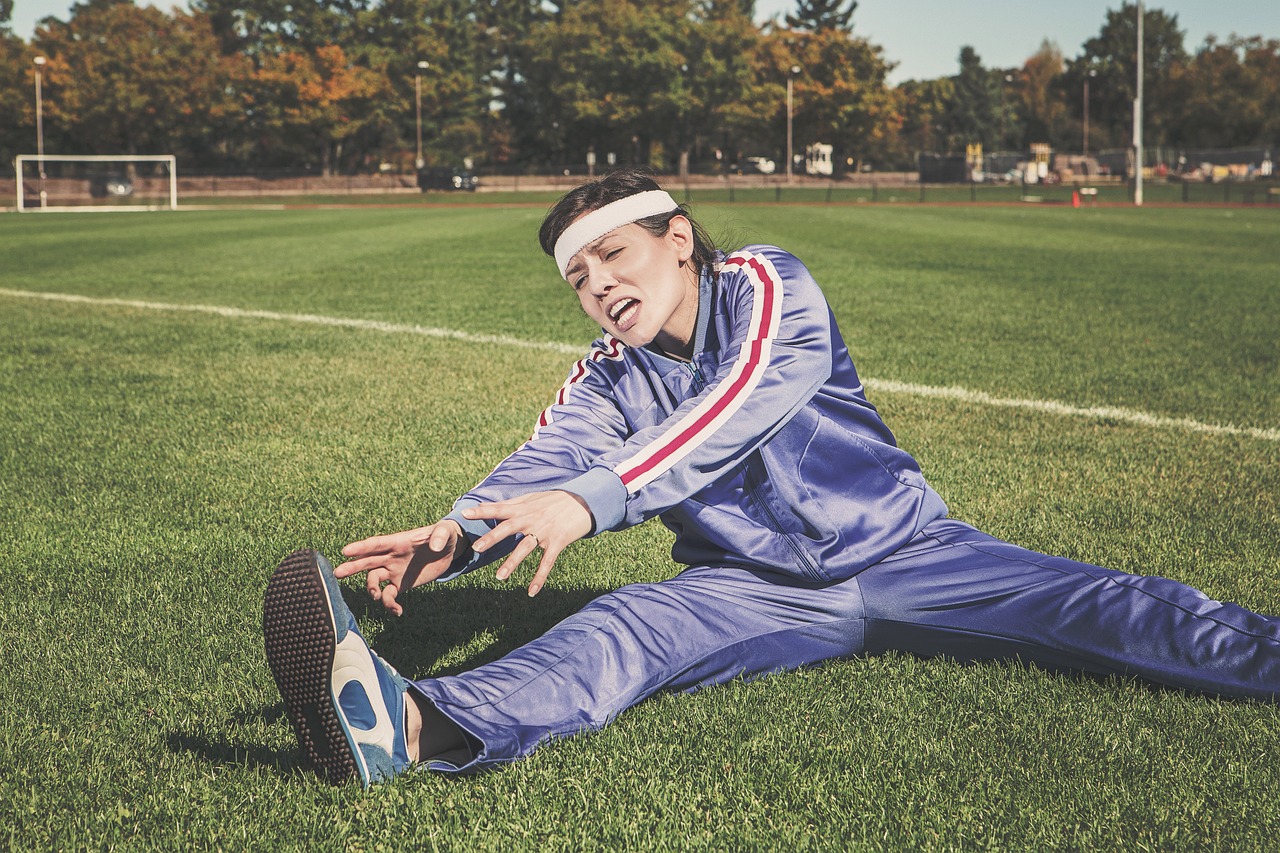
Static stretching can be an effective technique for promoting flexibility, but it is most beneficial when performed after physical activity. Engaging in static stretching post-workout helps in relieving tension, improving overall muscle recovery, and maintaining flexibility. When integrating static stretching into your routine, ensure you target all major muscle groups, especially those that may be tight after a training session. Common static stretches include the standing quadriceps stretch, hamstring stretch, and triceps stretch. For the standing quadriceps stretch, stand tall and pull your foot towards your glutes, keeping your knees together. Hold the position for 20-30 seconds. For the hamstring stretch, sit on the ground with one leg extended. Bend forward from the hips towards your outstretched leg, feeling the gentle stretch in the back of your thigh. Remember never to bounce or push too hard during static stretches, as this can lead to injury. Practicing these stretches regularly even on non-training days can support long-term flexibility gains and enhance performance in various sports.
Incorporating Mobility into Your Routine
Integrating mobility drills into your training schedule should be a prioritized focus for all athletes. Determining the most effective time to perform these drills may vary based on individual preference and needs. Generally, athletes can include mobility drills either as part of their warm-ups or cool-downs. Focus on performing these drills consistently for optimal results. Aim to dedicate at least 5-10 minutes in your pre or post-workout routine, focusing on specific areas of the body that require attention. It is beneficial to track your progress and evaluate improvements over time; this can help you stay motivated. Additionally, consider scheduling specific mobility sessions throughout your week, separate from your regular strength and conditioning workouts. This targeted approach will ensure you remain attentive to your mobility needs while allowing for recovery time. Adequate hydration and nutrition also play crucial roles in recovery, supporting your mobility efforts. By committing to a long-term mobility schedule, athletes can unlock their full potential, ultimately leading to improved performance in their chosen sport.
In conclusion, mobility drills are an invaluable asset for athletes seeking enhanced performance, flexibility, and injury prevention. By adopting a proactive approach to mobility training, athletes can greatly benefit from improved joint range of motion, balance, and efficient movement patterns. Integrating a combination of upper and lower body exercises, along with dynamic and static stretching, will yield positive outcomes in athletic performance. Remember to prioritize consistency by making mobility a non-negotiable part of your daily training regimen. Working closely with professionals, such as coaches or physical therapists, can provide guidance and support as you refine your mobility program. Whether you are just beginning or are well on your way to becoming a highly skilled athlete, the commitment to mobility will open doors for future progress and achievement. Embrace these mobility techniques and see how they transform your athletic capabilities on and off the field. Start today, and feel the difference as you push your limits further than ever before.