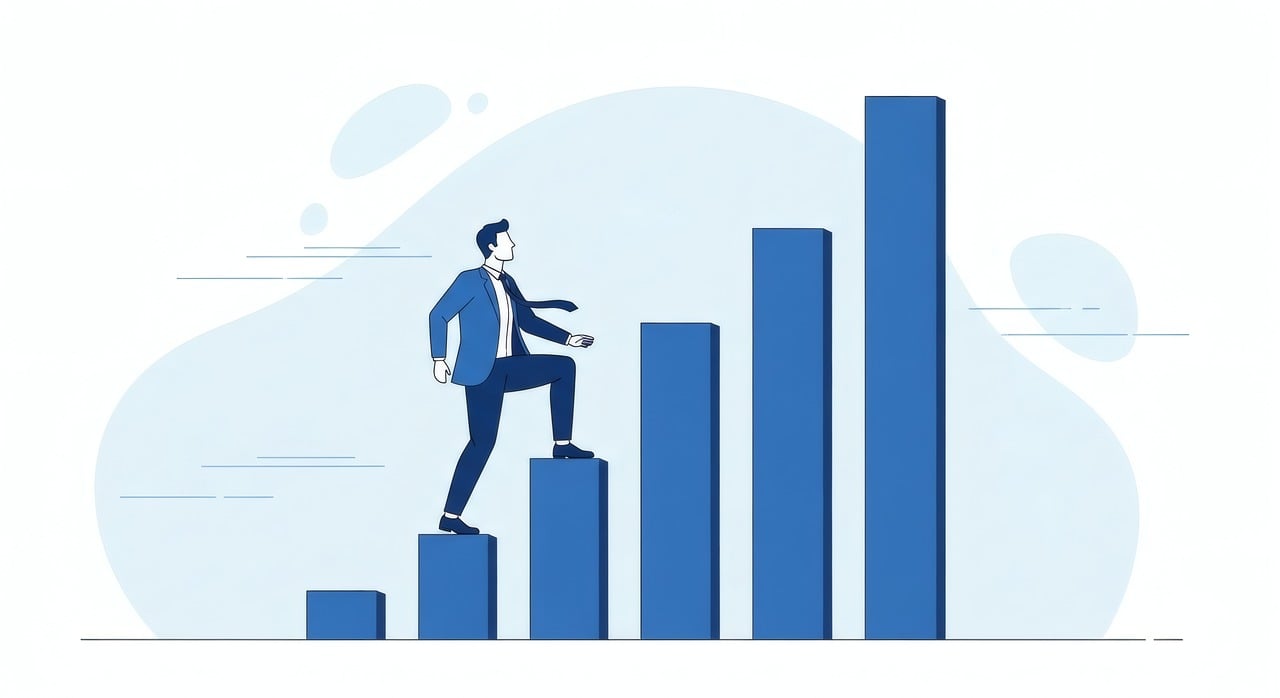

The Role of Progress Charts in Staying Motivated
Charts are essential tools for visualizing progress, particularly when working towards personal or professional goals. They transform abstract numbers into a visual format that can be easily understood and interpreted. Progress Charts can evoke a sense of accomplishment and motivate individuals by allowing them to see their advancements in real-time. Among various types of charts, line graphs, bar charts, and pie charts all offer unique ways to depict progress. By utilizing colors and designs appropriately, these charts draw attention to key milestones achieved over time. People often find the visual representation of data more appealing than mere textual descriptions. Furthermore, data visualization can simplify complex information, making it clearer and more accessible. Progress charts can also facilitate discussions within teams or groups, leading to informed decision-making based on visual data. By regularly updating these charts, individuals can keep track of their progress and adjust their strategies as necessary, ensuring they stay on course towards their objectives. Therefore, integrating progress charts into personal or professional development strategies can significantly enhance motivation and accountability throughout the journey.
Another significant aspect of progress charts is their ability to promote accountability. When individuals regularly document their achievements, they reinforce a sense of commitment to their goals. Progress charts can be shared with peers or mentors, creating a support system that encourages continued effort and dedication. This accountability can act as a driving force, prompting individuals to meet their set targets. By displaying their progress in a visual format, they feel more obligated to maintain their momentum. Additionally, seeing their progress, and how far they’ve come, can help overcome feelings of inadequacy. Visualizations can also highlight areas where improvement is needed, prompting necessary actions. Effective progress charts are often customizable to align with individual preferences, making them even more engaging. They can be designed to include specific metrics that matter most to the individual, whether that’s fitness levels, sales numbers, or even personal milestones. Regularly updating the chart provides immediate data, motivating individuals to strive for better outcomes continually. This dynamic aspect enables a feedback loop that can anchor motivation, spurring one on towards sustained progress and success.
Types of Progress Charts
The type of progress chart utilized can greatly influence motivation and clarity. Bar charts are particularly useful for showcasing achievements over specific periods, making comparisons easy to visualize. These are particularly effective for tracking improvements in performance metrics, providing a straightforward way to analyze trends over time. Line graphs, on the other hand, excel at demonstrating growth trajectories and continuous improvement. They can show how progress accelerates or decelerates based on various influences, offering insights into performance fluctuations. Pie charts can serve to represent how different components contribute to overall performance, engaging users to see which areas require more focus. For example, an individual might use a pie chart to depict how much time they allocate among various tasks or personal projects, identifying potential areas for productivity enhancement. Additionally, goal-setting worksheets that incorporate these visual representations can drive further engagement. Utilizing a mix of these charts in a singular progress tracking strategy can enrich the experience, as various perspectives allow individuals to grasp their progress comprehensively and understand better where adjustments may be needed.
Integrating technology into progress tracking has revolutionized how charts are developed and utilized. Many apps and online platforms allow users to create and customize progress charts, providing instant feedback on performance. These digital solutions often come equipped with features that analyze data over time, offering insights that can inform future strategies. Mobile applications allow users to monitor their progress on-the-go, providing a level of convenience that traditional methods do not. The ease of documenting daily achievements through user-friendly interfaces fosters consistent tracking habits. Gamification techniques are also integrated into these platforms, encouraging users through rewards for reaching milestones or improving performance. With these advancements in technology, there are endless possibilities for personalized settings to reflect an individual’s unique journey accurately. The capability for instant updates keeps users engaged and motivated. Furthermore, a visual display on a screen can be a constant reminder of goals, reinforcing commitment even when motivation dips. Consequently, incorporating digital progress charts into personal or workplace routines creates a culture of accountability and continuous improvement that can lead to outstanding results.
Benefits of Visualizing Progress
Visualizing progress comes with several noteworthy benefits. Firstly, it enhances self-awareness by providing an overview of what has been accomplished and what still needs attention. This awareness can incite a sense of pride and motivate individuals to push through challenges. A tangible representation of achievements can significantly impact mental well-being by decreasing feelings of anxiety related to goal attainment. Visualization also helps to break down larger goals into manageable segments, fostering a clearer understanding of what constitutes success each step of the way. As smaller milestones are met and displayed visually, this creates a motivational feedback cycle that propels individuals towards the next target. Moreover, sharing progress charts with others can enhance support networks, invoking encouragement and guidance. Seeking feedback on progress can lead to valuable insights and accountability, enriching the individual’s journey. In professional settings, visualizing progress aids team members in aligning towards shared objectives, promoting collective motivation. Overall, the benefits of visualizing progress are integral to maintaining high levels of enthusiasm and commitment to goals across diverse domains, resulting in sustained personal development and growth.
While visualizing progress has many advantages, it is essential to approach it wisely. Overemphasis on metrics can lead to undue pressure, causing individuals to lose sight of the journey. It is crucial to maintain a holistic perspective, acknowledging that setbacks are a natural part of any growth process. Progress charts should be seen as tools that provide guidance rather than rigid standards that dictate success or failure. Balancing the visualization of progress with mindfulness and self-compassion is vital. Additionally, the choice of metrics must align with personal values and long-term aspirations. For instance, an individual aiming for a healthier lifestyle should monitor metrics that prioritize overall well-being rather than solely focusing on weight loss. This understanding can lead to a more fulfilling journey. Furthermore, an awareness of when to adjust goals or visualization methods can prevent burnout, ensuring that motivation remains high. Ultimately, the goal of progress charts is to inspire and empower individuals as they work toward their objectives while allowing for flexibility and personal growth throughout the experience.
Conclusion
In summary, progress charts serve as powerful tools for motivation and tracking achievements across various domains. Their ability to visually represent data makes abstract goals tangible and achievable. By incorporating a range of charts and utilizing technology, individuals can better document their journeys, obtain valuable insights, and foster accountability. These visual aids not only enhance self-awareness but also create a supportive environment based on shared goals and efforts. As long as these tools are used wisely to maintain balance, the positive impact of progress visualization can lead to enhanced motivation and continuous development. The vital process of evaluating performance, whether personally or professionally, gains clarity and direction through these progressive visualizations. With consistent updates and a willingness to adapt the charts to reflect personal growth accurately, individuals can remain focused and energized in their pursuits. Embracing progress charts ultimately elevates the journey toward success by transforming it into a rewarding experience filled with insights, encouragement, and satisfaction.