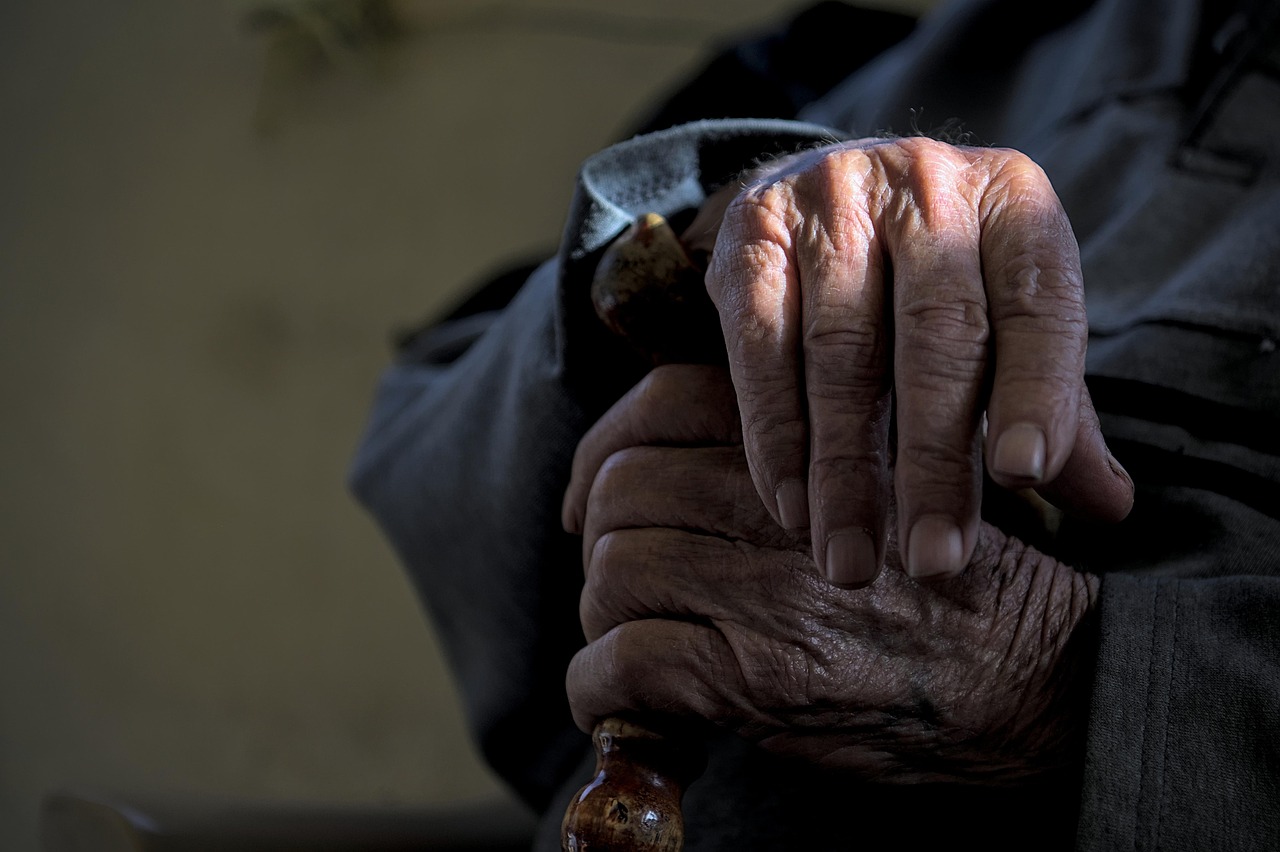

The Role of Light Exposure in Managing Sleep Changes with Age
As individuals age, their sleep patterns often undergo significant changes. Older adults frequently experience difficulty falling and staying asleep, a phenomenon that can adversely affect their overall health. Sleep disturbances in this demographic can lead to a range of issues, including cognitive decline, mood disturbances, and increased risk of chronic illnesses. One important factor influencing sleep quality in the elderly is light exposure. Research has shown that exposure to natural light during the day can help to regulate the circadian rhythms, which govern the sleep-wake cycle. This is crucial because with age, the natural production of melatonin, a hormone that encourages sleep, tends to decrease. Older adults often spend more time indoors and thus receive less exposure to natural light, further exacerbating their sleep issues. Therefore, it becomes vital for caregivers and health professionals to encourage practices that enhance light exposure. Strategies may include spending more time outside during daylight or utilizing light therapy boxes that mimic natural sunlight. These practices can greatly contribute to improving sleep quality in older adults, leading to a healthier and more fulfilling life.
The Biological Impact of Light on Sleep Regulation
Light plays a crucial role in regulating the body’s internal clock, or circadian rhythm, which influences sleep patterns. In younger individuals, natural exposure to daylight helps synchronize these rhythms, promoting regular sleep-wake cycles. However, older adults often struggle with this synchronization, as their sensitivity to light diminishes. This can result from multiple factors, including changes in the eye and brain, making it harder for older people to perceive subtle differences in light. Consequently, they may not receive sufficient signals to promote healthy sleep behaviors. Research indicates that older adults can benefit from increased exposure to bright light throughout the day. One strategy to enhance light exposure includes starting the day with natural light by opening curtains or taking morning walks outside. Furthermore, creating an evening routine that lowers light levels can signal the body that it is time to wind down. Understanding the impact of light on sleep can empower older adults to adopt healthier habits that promote quality rest. Those who proactively manage their light exposure are more likely to experience improvements in both sleep duration and overall well-being.
Light therapy has gained popularity as a practical solution for managing sleep changes associated with aging. This involves the use of specially designed light boxes that mimic natural sunlight. During specific times of the day, exposure to the bright light emitted by these boxes can help regulate the circadian rhythm. This artificial light serves to trick the body into thinking it is receiving ample natural light, consequently enhancing wakefulness during the day and promoting restful sleep at night. For older adults, incorporating light therapy into their daily routine can be transformative. Evidence suggests that those who utilize light therapy often experience reductions in sleep latency and improved sleep quality. Therefore, it is essential for caregivers and healthcare providers to consider introducing light therapy as an effective intervention for elderly patients struggling with sleep disturbances. Additionally, educating older adults on the importance of maintaining regular light exposure can empower them to take control of their sleep health, leading to a better quality of life. Tracking progress through sleep diaries may also help in assessing effectiveness while adjusting the therapy to meet individual needs. This approach can enhance sleep health significantly.
Practical Tips for Enhancing Light Exposure
There are numerous practical tips that older adults can incorporate into their daily routines to improve light exposure and enhance sleep quality. First, engaging in outdoor activities, such as walking or gardening, especially during sunny weather, can significantly increase exposure to natural light. Many seniors are encouraged to maintain an active lifestyle, which not only supports physical health but also improves mood and sleep. Second, positioning furniture near windows can maximize light exposure in the home. Simple adjustments, like keeping curtains open during the day, can allow more natural light to enter living spaces. Third, utilizing bright artificial lighting in the evening can help counteract the effects of reduced natural light as the sun sets. It is beneficial for older adults to embrace light through activities that involve reading or playing games under bright lamps. Fourth, incorporating light therapy boxes into daily routines, particularly during winter months or periods of limited sunlight, can mitigate seasonal affective disorder and related sleep issues. Following these strategies, seniors can take active steps in managing sleep changes associated with aging.
Maintaining a consistent sleep schedule is another vital component in managing sleep changes in older adults. This includes going to bed and waking up at the same time every day, which reinforces the body’s circadian rhythm. Proper light exposure is essential, and older adults need to understand the importance of waking with natural light, as it signals the body to begin the day. On darker days, light therapy can be beneficial as a substitute. Furthermore, elderly individuals should be encouraged to stick to regular meal patterns and engage in physical activity earlier in the day, as these habits also contribute to better sleep quality. Those who identify calming pre-sleep routines can also observe better sleep patterns. Practices may include reading, meditating, or practicing gentle yoga. Limiting exposure to screens before bedtime, as blue light emitted from devices can hinder melatonin production, is essential. Caregivers can assist in creating optimal sleep environments by minimizing noise and ensuring a comfortable sleeping temperature. Holistic approaches combining diet, light exposure, and consistent schedules can effectively address the challenges of sleep changes with age.
Conclusion: Embracing Light for Better Sleep
Understanding the role of light exposure in managing sleep changes with age is essential for promoting better sleep health in older adults. As noted, maintaining adequate exposure to natural and artificial light plays a pivotal role in regulating the circadian rhythm, enhancing mood, and alleviating sleep disturbances. By introducing practical measures, older adults can gradually improve their sleep quality. Caregivers, family members, and healthcare professionals are encouraged to advocate for increased light exposure among the elderly population. It is vital to tailor recommendations based on individual needs and preferences, ensuring a holistic approach to sleep health. Encouraging older adults to engage in outdoor activities provides multiple benefits beyond sleep, including enhanced physical and mental health. Utilizing tools like light therapy presents another layer of effective intervention for managing sleep changes. Ultimately, by embracing light and understanding its impact, older adults can reclaim restful nights, leading to an improved quality of life. Collective efforts to promote awareness of the importance of light exposure are necessary. As research continues to evolve, the benefits of these strategies can emerge, fostering better sleep practices across the aging population.
As we conclude, the journey toward better sleep for older adults revolves around understanding and enhancing light exposure. Each strategy discussed has far-reaching implications on the health and well-being of seniors. It is imperative to recognize the connection between light, circadian rhythms, and sleep. Promoting healthy sleep habits through light exposure can empower older adults, leading to enhanced sleep quality and overall health. Regular monitoring and adjustments based on individual experiences are key to success. Engagement from caregivers, health professionals, and older adults themselves is critical in implementing these strategies. In an era when sleep issues are becoming more prominent in the aging population, innovative and practical solutions promise to enhance life quality. Creating an environment that encourages natural light exposure and utilizing light therapy when necessary can yield excellent results. By fostering a community of understanding about sleep and light, we position ourselves to better the lives of many seniors. Ultimately, sleep is a vital component of health, and by managing light exposure effectively, older individuals can experience richer, more restorative sleep and thus live fuller lives.
This article not only highlights the importance of light exposure in managing sleep but also advocates for dedicated awareness and actions within older communities. By embracing light exposure as a key aspect of sleep health, we can contribute significantly to improving the lives of older adults. Encouraging participation in activities that promote natural light exposure and educating them on the necessity of regular light contact can become life-changing. Supporting older adults to interact with their environments more meaningfully can lead to happier, healthier lives. Collaboration among family, communities, and healthcare providers is essential in promoting these lifestyle adjustments. In doing so, we can build a supportive network that champions better sleep practices. The intersection of light exposure and sleep changes with age illustrates profound implications for public health. As we journey forward, let us emphasize the message that the management of light can revolutionize sleep health, offering older adults greater opportunities for healthier sleep, vibrant living, and improved mental well-being. Finding balance through light exposure will ultimately pave the way for a revitalized and thriving aging population.