
The Importance of Warm-Up and Cool-Down in Injury Prevention
In the realm of sports performance, the significance of warming up and cooling down cannot be overstated. Proper warm-up routines can prepare the body for intense physical activity by increasing heart rate, enhancing blood flow to muscles, and improving flexibility. Engaging in dynamic stretching and light aerobic activities during the warm-up phase can greatly benefit an athlete’s performance. Furthermore, a proper warm-up gradually raises body temperature, helping to reduce the risk of strains and sprains. Athletes who skip their warm-up often face increased vulnerability to injuries due to their muscles being cold and stiff. Importantly, warming up should be tailored to the specific activity to optimize preparation. By focusing on the muscle groups that will be utilized during the workout, athletes can foster better outcomes and reduce injury chances. Additionally, mental focus can be enhanced through the warm-up process, allowing athletes to prepare mentally for the physical demands ahead. Coaches and trainers emphasize the value of establishing consistent warm-up protocols for their teams, recognizing it as a fundamental aspect in promoting a healthy and effective sporting environment. Remember, prevention is always better than treatment.
The Role of Cool-Down in Sports Recovery
Just as warming up plays a critical role in injury prevention, cooling down serves its purpose in sports recovery. A proper cool-down routine assists in gradually lowering heart rate and blood pressure post-exercise, allowing the body to transition back to a resting state. This process is essential to remove lactic acid and other metabolic wastes that accumulate during intense physical exertion. By engaging in light aerobic activities and static stretching, athletes can facilitate muscle recovery and maintain flexibility. This phase is equally important in preventing post-exercise soreness and injuries, which can arise from abrupt cessation of activity. Including a cool-down routine reduces the likelihood of dizziness and fainting, both of which can occur if an athlete suddenly stops high-intensity workouts. Moreover, the cool-down offers an opportunity for players to reflect on their performance, connect with teammates, and mentally transition from the competitive atmosphere to their daily life. It aids in injury prevention while supporting emotional and psychological aspects of recovery. Thus, integrating both warm-up and cool-down routines into training regimens establishes a comprehensive approach to sports performance and overall health.
A common misconception is that warm-ups and cool-downs are solely for elite athletes, but this is far from the truth. Recreational and beginner athletes also greatly benefit from these preventative measures. Incorporating proper warm-up exercises ensures that participants of all levels are adequately prepared for the physical demands of their activities. For novice athletes, learning and adhering to these routines can be crucial, as they may not have the experience to recognize their body’s limits. Additionally, by fostering a culture that values warm-ups and cool-downs, coaches and trainers reinforce the importance of health and safety in sports. Creating enjoyable warm-up and cool-down exercises can also bring a sense of community to training sessions, encouraging participation and cooperation. As athletes develop these habits early on, they can carry them throughout their sports journeys, significantly reducing injury rates. Schools and amateur sports organizations should prioritize teaching these essential practices to nurture a positive and health-oriented sporting culture. This proactive stance can lead to improved athlete longevity and sustained enjoyment in their chosen sports.
Dynamic vs. Static Stretching
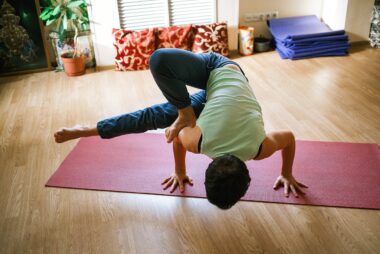
Understanding the difference between dynamic and static stretching is crucial for athletes aiming to optimize their warm-up and cool-down routines. Dynamic stretching involves applying a range of movements that engage multiple muscle groups and joints, making it particularly effective during the warm-up phase. Examples include leg swings, arm circles, and high knees – motions that promote mobility and enhance overall performance. Conversely, static stretching is more beneficial during the cool-down phase, focusing on holding stretches for a prolonged period to improve flexibility. This includes stretches like toe touches and quad stretches, which are vital post-exercise to elongate muscles that have contracted during physical activity. Utilizing both types of stretches appropriately can facilitate injury prevention while enhancing athletic performance. Athletes should incorporate dynamic stretches specific to their sport in the warm-up portion, transitioning to static stretches in the cooldown stage to gain the most benefits. Balancing these stretching techniques ensures athletes are not only prepared for immediate demands but also working towards long-term muscle health and flexibility, which is essential for sustained sports participation.
Another aspect to consider when discussing warm-up and cool-down routines is the influence of environmental factors. Weather conditions can significantly affect how athletes approach their warm-ups and cool-downs. For example, exercising in cold environments necessitates longer warm-up phases to ensure muscles are adequately warmed. Cold muscles are more prone to injuries, hence the need for athletes to factor in temperature when designing their routines. On the other hand, in warm weather, hydration becomes a critical component of both phases, emphasizing the need for water intake. Athletes must listen to their bodies and adapt their practices based on how they feel during these periods. Adaptability is key; athletes should be aware that their needs may vary from session to session based on different factors. Effective warm-up and cool-down strategies also consider nutrition, as fueling the body correctly before and after workouts enhances recovery. Therefore, integrating warm-up and cool-down practices within an athlete’s regimen promotes resilience, paving the way for longevity in their chosen sports.
Coaching Tips for Implementing Warm-Up and Cool-Down Sessions
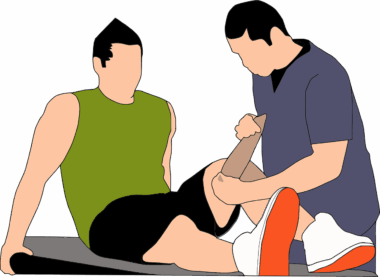
Coaches play an important role in establishing effective warm-up and cool-down sessions for athletes. Providing structured routines ensures each team member understands the significance of these practices. Coaches can introduce engaging dynamic stretches at the beginning of training or competitions, making them interactive and enjoyable. Demonstrating proper techniques and explaining the rationale behind each warm-up exercise can increase compliance among athletes. Incorporating a mix of individual and partner stretches can foster a sense of teamwork and improve motivation. Likewise, during cool-downs, coaches can facilitate discussions about the workout, giving athletes a platform to express concerns and celebrate achievements. These conversations can strengthen relationships within the team and promote a culture of support. Moreover, recording progress over time can be beneficial in showcasing the value that consistent warm-up and cool-down routines bring to overall performance and health. It helps athletes appreciate how injury prevention ties closely to their daily conditioning efforts. By instilling these habits, coaches develop discipline within their teams, promoting a holistic approach that nurtures both performance and well-being.
In conclusion, warm-up and cool-down routines are critical components of injury prevention in sports performance. Regardless of skill level, all athletes can benefit from appropriate practices that cater to their needs. Building these routines into training regimens fosters healthy habits and encourages long-term athlete engagement in their respective sports. Addressing different stretching methods, environmental factors, and nutrition underscores the multifaceted approach required for effective injury prevention. Coaches, trainers, and athletes alike must prioritize these strategies to create a sports culture centered around health and performance. The adage “prevention is better than cure” holds true in the athletic realm, where injuries can sideline talented individuals for extended periods. Emphasizing warm-ups and cool-downs not only mitigates injury risks but also enhances performance through improved flexibility and strength. The responsibility falls on each individual within the sports community to embrace the importance of these practices and ensure their implementation for a healthier future. Ultimately, the dedication to proper warm-up and cool-down methods can lead to safer and more enjoyable experiences in any athletic journey.