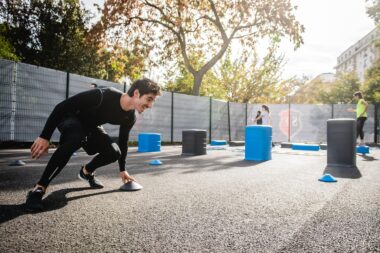

Scaling Bootcamp Cross-training Workouts for Different Fitness Levels
Bootcamp training offers an exhilarating way to get fit, combining various exercises into high-intensity workouts. It’s essential to tailor these cross-training techniques to accommodate different fitness levels. Beginners often need more accessible options to build confidence and prevent injury, while advanced participants may seek more challenging routines that push their limits. By employing scaling methods, instructors can ensure that everyone benefits from the workout regardless of their starting point. One method is adjusting the exercise duration, allowing beginners to engage without overwhelming them. Furthermore, offering alternative exercises can help accommodate varying levels of strength and endurance. For instance, while advanced individuals might perform burpees, beginners can do step-ups or knee raises. Creating a supportive community atmosphere can significantly enhance the bootcamp experience. Encouragement from peers and instructors inspires participants to push past their perceived limits. Adapting workouts for diverse needs not only improves individual performance but also fosters a sense of belonging among participants. Continue exploring ways to make your bootcamp effective for all, and you will witness great transformations in fitness levels throughout your classes.
One successful scaling strategy is the use of progression models, which outline specific steps participants can take as they improve their fitness levels. This structured approach helps individuals set achievable goals, boosting their motivation over time. For example, when training lower body strength, participants can start with bodyweight squats before moving to weighted squats as their strength increases. Consistently monitoring each person’s progress allows trainers to make personalized adjustments. To enhance engagement, consider incorporating interval training sessions. These sessions alternate between periods of high intensity and rest, aiding all fitness levels in their progress. Beginners may need longer rest periods, while advanced athletes can reduce their recovery time. Additionally, mixing different muscle groups within the same workout promotes cross-training benefits. For instance, alternating upper and lower body workouts can prevent fatigue while allowing maximum exertion. Another adaptive element could be tweaking the workout environment. Outdoor bootcamps can incorporate natural elements, while indoor sessions may utilize equipment effectively. Tailoring these aspects ensures participants maintain optimal motivation and achieve their unique fitness goals, making bootcamp training a comprehensive fitness solution.
Incorporating Modular Workouts
Modular workouts effectively introduce a variety of cross-training techniques that participants can adapt regardless of their fitness levels. Each module can focus on different aspects such as strength, endurance, flexibility, or agility, allowing participants to select what suits them best. This choice empowers individuals to design their workout experience along their fitness journey. For example, during strength training modules, beginners may use resistance bands while advanced athletes opt for heavier weights. Flexibility exercises like yoga can be held at the end of a session or interspersed between high-intensity sets to promote recovery. These modular designs allow for continuous improvement and engagement throughout the bootcamp session. Also, offering alternative lengths for each module caters to different schedules and attention spans. Consider including team-driven activities, such as partner-assisted exercises, to foster camaraderie. As participants work together, they gain support and motivation, increasing overall workout quality. Establishing a flexible framework while keeping sessions dynamic will lead to higher satisfaction rates. Ultimately, each participant can realize their full potential through their individually tailored path within the modular workout structure.
Additionally, another crucial factor in scaling bootcamp workouts is understanding that each participant’s experience may vary significantly. Individual preferences should guide workout modifications when appropriate. Trainers should be observant and listen to feedback, adjusting exercises when needed. Communication is paramount; creating an open dialogue fosters trust and comfort among participants. Furthermore, it can be helpful to organize fitness assessments at the beginning of a bootcamp series. This process guides trainers on each individual’s initial fitness level and goals. Assessments might include body composition analysis, strength evaluations, or cardiovascular endurance tests. Post-assessment progress check-ins provide continuous feedback and adjustment opportunities for participants. Use data from these assessments to implement a tiered program, offering varying levels of challenge for each workout. This flexibility keeps participants motivated, enabling them to see progress in real-time. Remember, constantly adjusting and reevaluating fitness plans ensures every person grows at their own pace. Regular consultations with clients help refine their goals and maintain workout excitement while accommodating changes in their abilities. These practices create an environment of success and collaboration.
Implementing Nutrition and Recovery Plans
A critical component to enhancing bootcamp effectiveness is incorporating nutrition and recovery strategies tailored to participants. Delivering workshops or discussions focusing on proper nutrition helps educate participants on fuel and hydration significance. Establishing guidelines may range from pre-workout meals to post-workout recovery snacks. Consider providing meal prep ideas that are easy to follow and meets various dietary needs, such as vegetarian or gluten-free options. Moreover, discussing hydration importance during workouts can transform performance. Encourage individuals to drink water before, during, and after sessions to ensure proper hydration levels, optimizing performance and recovery. Educating participants about listening to their bodies is crucial; awareness of fatigue signals can prevent overtraining and injury. Suggesting active recovery days with yoga or light stretches helps individuals maintain movement and alleviate soreness. A well-rounded approach, including strength training, nutrition education, and ample recovery strategies, ensures participants have the tools they need to thrive. This holistic perspective results in a stronger, healthier community while promoting lifestyle changes beyond bootcamp sessions.
In addition to nutrition, creating a positive culture within the bootcamp can enhance participants’ motivation and commitment. Encouragement and camaraderie among members foster a supportive environment where individuals feel accepted and less intimidated. Regularly celebrating milestones, such as fitness assessments or personal achievements, keeps the overall vibe uplifting and inspires participants to persist. Create challenges or friendly competitions surrounding efforts to encourage engagement; these activities can drive motivation and create bonds among team members. Aim to create a community feel through social media or messaging platforms; open discussions and progress-sharing allow for recognition and positive reinforcement while keeping everyone connected. Facilitating group events, such as hiking or outdoor sports, promotes bonding outside typical workout settings too. Remember, inclusivity is key; celebrating various successes reinforces the idea that every individual’s journey is unique. Building a strong community leads to higher attendance rates and improves the overall atmosphere of workouts. Support and encouragement from peers nurture personal growth, contributing to each member’s achievements, and fostering long-term fitness adherence.
Tracking Progress and Encouragement Techniques
Systematic tracking of progress in bootcamp workouts can greatly enhance outcomes for participants at different fitness levels. Utilizing tools such as fitness apps or journals allows individuals to monitor their accomplishments, measurements, and personal growth over time. Regular tracking can foster a sense of accountability, motivating individuals to meet their goals consistently. Encourage sharing progress during classes, enhancing camaraderie and support among participants. Implementing group challenges can showcase achievements, creating a platform for individuals to celebrate their hard work. Remember that consistent feedback, both verbal and through assessments, is vital. Encourage trainers to highlight progress during sessions, reinforcing positive behaviors. Establishing a culture of recognition within the classes lets participants feel valued and encourages them to push through challenges. Additionally, adapting workouts based on gathered data ensures continuous improvement, helping each participant stay challenged while preventing boredom. Emphasizing the importance of intrinsic motivation and personal goals creates an environment that champions personal success. Focusing on progress tracking, encouragement, and fostering that culture of appreciation will significantly enhance participants’ experiences and engagement.
Ultimately, recognizing and understanding each individual’s unique journey during bootcamp training is crucial for effective scaling of workouts. Listening to feedback is essential for improvement, ensuring people feel heard within the community. As trainers, adapting workouts based on participants’ preferences along with consistently evaluating each person’s progress will elevate overall satisfaction levels. As individuals witness their growth and progress within a supportive environment, they become more invested in their fitness journey. Moreover, establishing meaningful connections and relationships within bootcamp classes develops a strong community. Creating a space where everyone feels comfortable to express their goals and fears can lead to extraordinary transformations. By implementing personalized strategies, education on nutrition and recovery, and encouraging an uplifting environment, everyone can achieve their fitness aspirations. Through collaboration and positivity, bootcamp programs can differentiate themselves by offering a holistic approach that nurtures both physical and mental development. Let’s inspire each participant to be the best version of themselves, celebrating each milestone and every victory, no matter the size. As we encourage individuality and adaptability, bootcamp training becomes accessible and impactful for all fitness levels, forging a path towards a healthier future together.