
Proper Spotting Techniques: A Trainer’s Guide
Weightlifting is a popular exercise regimen that improves strength and builds muscle. However, safety must always come first, especially during clumsy lifting attempts by trainees. One crucial aspect of ensuring safety is the proper use of spotting techniques. A spotter provides support during workouts, helping to avoid injuries caused by heavy weights. It is vital that spotters maintain communication with the lifter before and during the lift. They should understand how many repetitions the lifter plans to do and where they may require help. Spotters should stand close to the lifter to provide assistance as needed. Additionally, spotters must ensure their footing is secure and their grip firm. They should focus on the bar’s path to anticipate any losses in control. Good communication continues throughout the exercise, whether through verbal cues or gestures. Spotters should be alert to the lifter’s needs, adjusting their assistance as circumstances change. They should also know the correct technique of lifting and how to intervene if the lifter loses control. Implementing these techniques not only helps in preventing injuries but also promotes a safe and effective workout environment.
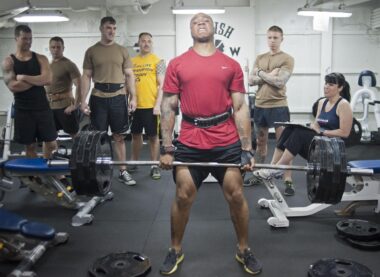
Choosing the right exercises for spotting is critical. Each lifting type has unique challenges that require tailored spotting techniques. For instance, while spotting a bench press, the spotter should stand behind the lifter, hands ready just above the bar, prepared to lift if necessary. If the lifter struggles, the spotter much ensures they help without completely taking over the effort. The goal is to assist the lifter enough to safely complete their set. Additionally, if the lifter is using a squat rack, the spotter stands as close as possible without interfering. They help support the bar only if needed. As another example, deadlifts often do not require traditional spotting but rather an understanding of assisting the lifter safely. In such instances, a coach’s eye to check form is just as valuable. Selecting the suitable lift for spotting prevents accidents and enhances overall performance. Each trainer must learn specific spotting methods applicable to different lifts for optimal safety measures during training. Focusing on proper training techniques ensures that both the lifter and trainer understand their respective roles, toppling communication blocks and promoting effectiveness.
Indeed, training in spotting techniques should involve practice sessions. These sessions should encompass various lifts, allowing trainers to explore potential challenges in a controlled environment. Trainers can develop their spotting skills through hands-on experiences with different educators and students in lifting. In these practice settings, both spotters and lifters can communicate freely about individual preferences, allowing adjustments to occur. Trial and error play a key role in developing effective spotting strategies. Experiencing real-time lifting scenarios prepares trainers to determine what makes a successful lift and how to react accordingly. Attending seminars or workshops specifically about spotting can broaden understanding and improve technique. Participants can observe expert spotters at work, learning best practices and witnessing the importance of safe spotting first-hand. Furthermore, engaging in conversations about injury prevention can foster a culture of safety. By gaining external perspectives, trainers can continually adapt their techniques, ensuring they align with both established safety standards and beneficial performance benefits. The goal of comprehensive training is to realize the importance of ongoing education in spotting, ultimately contributing to the fitness community by maximizing safety during weightlifting.
Communication is Key
Effective communication among all parties involved can significantly enhance safety during weightlifting. Spotters and lifters must establish clear lines of communication before the exercise begins. Spotters should be aware of lifters’ verbal and non-verbal signals indicating they need assistance. This can include cues about the desired number of repetitions and any particular challenges the lifter is experiencing. Spotters should make eye contact with the lifter before lifting, confirming that both are ready. During the lift, it’s important spotters keep close attention, ready to respond appropriately. They should avoid distractions, such as chatting with others while focusing on supporting the lifter. Open dialogue continues through feedback after each set, discussing how the lifting session progressed and what can be improved. This allows both sides to adapt and refine their techniques as necessary while building trust. Establishing a comfortable rapport instills confidence in the lifter, who is more likely to push themselves and reach their goals. Ultimately, all involved may experience enhanced workout engagement and significant improvements in weightlifting performance as a result of competent communication.
Spotting requires not only physical skills but also emotional intelligence. Spotters must stay calm and composed, even in challenging situations, as this energy can influence the lifter’s performance. When a lifter feels safe and secure with their spotter, they are more likely to focus on achieving their goals without the fear of injury looming overhead. Confidence plays a substantial role in successful weightlifting, and a good spotter embodies this assurance. Building relationships built on trust can dramatically affect not just performance, but also a lifter’s enthusiasm for training. Trainers must work to foster an encouraging environment while ensuring correct spotting techniques are utilized. Remember, spotters can build rapport through continuous practice and effective interactions with their lifters. For example, they may take the time to explain the spotting process or engage in light conversation, making the setting less intimidating. Building such relationships contributes positively to a lifter’s experience, encouraging them to return to the gym with renewed motivation. Realizing the emotional aspects of lifting will also empower trainers to recognize when a lifter may need encouragement, enabling them to give support beyond just physical spotting.
Adapting to Different Lift Types
Every exercise possesses specific characteristics influencing the necessary spotting technique applied. Knowledge of variations across exercises will empower trainers to customize their approach effectively. For exercises like the bench press, the trainer stands ready to assist when the bar descends. In contrast, during squats, the spotter stands behind and helps if the lifter cannot return to a standing position. A strong understanding of each lift prevents accidents and boosts safety. Spotting a clean and jerk involves both guiding the bar during the lift and ensuring safety during the transition. Educating yourself on these nuances allows trainers to adapt quickly and effectively to different scenarios, guaranteeing that efficiency remains intact. Further, spotting techniques may vary based on how experienced the lifter is. For advanced lifters, less assistance may be required, while beginners may rely more heavily on spotters for safety and guidance. Recognizing these differences instills great adaptability in trainers, ensuring they feel confident as they assist their lifters. Thus, grasping the intricacies associated with spotting across multiple lifts will bolster confidence and enhance overall safety and performance.
Finally, a strong focus on safety drills plays a crucial role in a trainer’s preparation. Incorporating specific spotting drills into fitness regimens helps trainers remain sharp in their techniques. These drills may involve practicing spotter positions, weight counts, and emergency responses. Regular training enables spotters to remain agile and ready for varying lifting scenarios. Establishing rituals for these drills boosts confidence in both trainers and lifters alike. Furthermore, trainers committed to ongoing education, including workshops and online courses, can refine their spotting methods. The value of continuous learning will nurture a lifetime commitment to safety and expertise. It also empowers trainers to remain on the cutting edge of innovative lifting practices, ensuring their techniques reflect current understanding. Engaging with fellow trainers to exchange creative ideas can further foster the development of knowledge while creating a collaborative environment. Safety, supported by knowledge, remains paramount in today’s fitness landscape, thus making well-informed spotting essential for successful training. Incorporating these varied strategies will improve overall lifting performance while minimizing the risk of injury, which is the ultimate goal for both trainers and lifters.