
Managing Blood Sugar Spikes Through Physical Activity
Maintaining optimal blood sugar levels is crucial for those with chronic conditions, especially diabetes. Regular physical activity plays a significant role in managing blood sugar spikes. Engaging in exercise helps improve insulin sensitivity, allowing the body to utilize glucose more effectively. This results in a more stable blood sugar level over time. Inactivity can lead to heightened blood sugar levels, causing distressing symptoms and potential health complications. Exercise activates muscles to absorb glucose from the bloodstream, ensuring effective glycemic control. Moreover, different types of exercises, including aerobic, resistance, and flexibility training, have specific benefits for blood sugar management. Aerobic workouts like walking, swimming, and cycling promote better cardiovascular health while aiding weight control. Similarly, resistance training helps build muscle mass, which can enhance glucose uptake. Importantly, before embarking on an exercise regimen, those with chronic diseases should consult healthcare professionals to create a personalized fitness plan. This approach will ensure a safe start to incorporating physical activity into daily routines. Always remember to monitor blood sugar levels closely before and after workouts to understand how different activities affect your glycemic levels.
The Role of Exercise in Blood Sugar Management
Exercise contributes significantly to blood sugar management, particularly for individuals dealing with diabetes or prediabetes. Engaging in physical activities can boost energy levels while fostering emotional well-being, which additionally aids in better health control. When you exercise, your muscles utilize glucose effectively, leading to decreased blood sugar levels, while insulin sensitivity improves. Additionally, aerobic exercises can enhance overall cardiovascular health, reducing risks tied to diabetes complications. These workouts challenge your endurance and stamina, adapting your body to better manage physical stress. For effective management of blood sugar spikes, including structured physical activities in your weekly routine is essential. Recommendations include aiming for at least 150 minutes of moderate-intensity exercise each week, such as brisk walking or swimming. Incorporating strength training two or more days weekly further fortifies your blood sugar control strategy. Consistency is necessary for lasting results, and setting tangible goals will help maintain commitment to physical activity. Combining these exercises with healthy dietary habits leads to enhanced overall well-being and stable blood sugar levels. Regular assessment and adjustments based on individual responses are crucial for success.
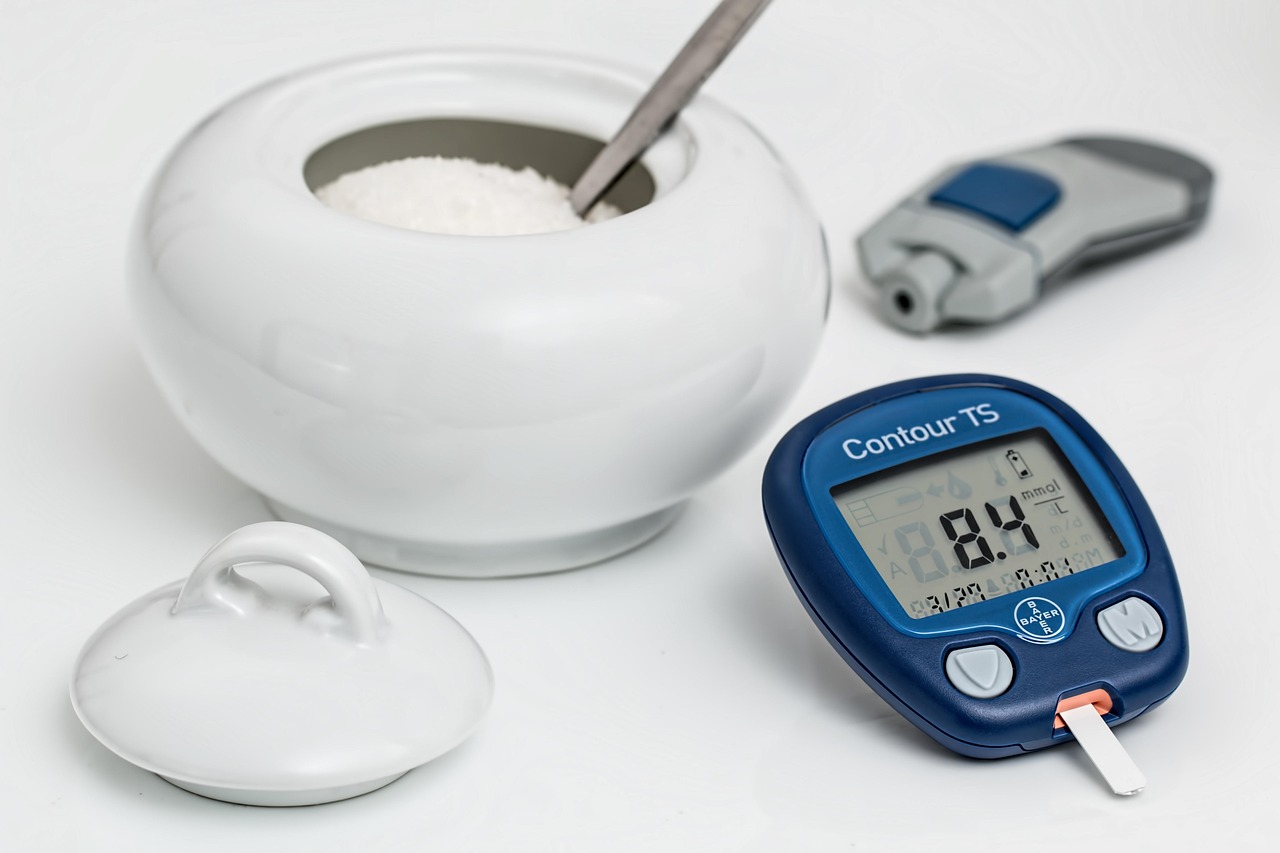
Monitoring blood sugar levels before, during, and after exercise is key to understanding how your body responds to activity. Performing self-monitoring helps to establish personalized exercise goals while recognizing necessary adjustments based on fluctuating glucose levels. Consider keeping a blood sugar log to record measurements alongside activity levels, meals, and feelings. This information can provide valuable insight into patterns guiding future exercise decisions. For those with diabetes, the American Diabetes Association recommends checking blood glucose levels before initiating workouts and ensuring they fall within a safe range. Avoid workouts if levels are too high or low to minimize risks. Ideally, blood sugar between 100-250 mg/dL is preferred when exercising. If levels deviate significantly, adjustments to food intake or medications may be necessary. Hydration plays a vital role as well; staying well-hydrated during workouts supports overall health, while dehydration can lead to erratic glucose levels. Combining consistent monitoring with sound hydration practices informs effective blood sugar management strategies, reducing the risk of spikes post-exercise. By understanding your unique responses to different activities, you can optimize your fitness routine for better health outcomes.
Types of Exercise Beneficial for Blood Sugar Control
Engaging in a variety of exercise types promotes better blood sugar control and overall health. Aerobic exercises, which are activities that increase heart rate and breathing, should form the foundation of your routine. They include walking, biking, jogging, and swimming. These exercises enhance circulation and cardiovascular health while utilizing glucose for energy. Strength training, on the other hand, aims to build muscle mass through resistance. It includes weight training, bodyweight exercises, or resistance bands. Muscle plays a critical role in glucose metabolism, so incorporating resistance workouts can be particularly beneficial. Flexibility exercises like yoga or stretching finish your overall routine, building flexibility and reducing injury risk. Each type of exercise serves a unique purpose, collectively contributing to blood sugar management. Aim to incorporate a blend of these activities into your weekly schedule for maximum benefit. As you develop your exercise program, consider personal preferences for optimal adherence. Enjoyable activities are more likely to lead to consistent engagement, which is vital for effective management of blood sugar levels over time. Evaluate your routine periodically, adjusting as necessary to prevent plateaus in your fitness journey.
Particular attention should be given to the timing of exercise as an essential factor affecting blood sugar management. Performing physical activity at different times of day can yield varying responses in glucose levels. Many find that exercising after a meal helps with postprandial blood sugar control, while others prefer pre-meal workouts for the energy boost. Experimenting with timing, observing how your body reacts, will guide you in finding the best approach. Regularity also helps establish a pattern that your body recognizes. This consistency fosters better metabolic responses to workouts, supporting improved blood sugar management. Moreover, listening to your body remains imperative; fatigue or unusual symptoms should prompt you to adjust intensity or consider nutritional supplementation. Most importantly, recognize that lifestyle changes take time. Building a consistent exercise routine takes patience and practice. Gradually incorporating exercises into your schedule can lead to sustainable success without overwhelming your body. Aimed efforts combined with adequate rest ultimately yield benefits for blood sugar control and overall fitness. Slowly introducing new activities fosters comfort and encourages growth, essential for long-term engagement and health outcomes walking in tandem.
Conclusion: Commitment to a Healthier Life
Embracing physical activity as a regular component of life can improve blood sugar management and overall wellness. The relationship between regular exercise and glucose control is well-documented, demonstrating that commitment leads to positive health outcomes. By understanding the different types of exercise available and their unique benefits, individuals can create personalized plans tailored to their needs and abilities. Monitoring blood sugar levels and adjusting exercise timing will help foster consistency and maximize effectiveness. Remember that combining physical activity with balanced nutrition and regular health assessments ensures a comprehensive approach to chronic disease management. Although starting a new exercise routine may be challenging, the rewards of enhanced fitness and health motivation should keep you committed. Surround yourself with a supportive community or professional guidance, and never hesitate to seek advice from healthcare providers regarding your fitness goals. Their insights can optimize your efforts while ensuring safety on the journey. Ultimately, managing blood sugar spikes through physical activity empowers you to take control of your health, fostering a healthier lifestyle. Enjoy the process, celebrate achievements, and focus on progress instead of perfection for lasting success.
Exercise plays a pivotal role in stabilizing blood sugar levels, particularly for individuals at risk of chronic diseases. By incorporating regular physical activity into your daily routine, you’ll gradually experience improved glycemic control. Staying engaged and committed to a structured exercise regimen will create lasting benefits for your blood sugar levels. Always remain vigilant, monitoring how you respond to different activities. With each experience, you will gather insights that inform future decisions on exercise and nutrition. Making adjustments as necessary will help maintain optimal blood sugar levels over time. Choose a variety of enjoyable exercises, ensuring you remain active while promoting cardiovascular and muscular health. This approach creates a comprehensive plan for managing blood sugar spikes effectively. Remember to partner your weekly workout schedule with healthy eating practices for maximum impact. A holistic lifestyle change, recognizing the interplay between exercise, nutrition, and self-care, will help navigate the complexities of chronic disease management. Maintaining an adaptable and growth-oriented mindset will carry you through challenges. Celebrate your journey while continuously exploring new possibilities for personal growth and empowerment in managing your health.
By focusing on physical activity as a means to control blood sugar spikes, individuals can embark on a positive journey towards improved health. By acknowledging the importance of exercise, we are reinforcing its value in wellness. Striving for consistency, regular engagement in various activities will lead to higher energy levels and increased quality of life. Moreover, monitoring how different workouts affect blood glucose will foster greater awareness and enable informed decisions. Working collaboratively with healthcare professionals helps develop personalized exercise plans tailored to individual needs, ensuring safe practices. Building a supportive community, whether through local fitness classes or online forums, can supply motivation and encouragement. Share experiences and celebrate milestones with peers to inspire continued progress. Be patient and kind to yourself, understanding that real change takes time and perseverance. Staying accountable with your goals will elevate your commitment to managing blood sugar spikes through lifestyle changes. Remember to focus on gradual improvement rather than perfection, as every small victory counts. Embrace this journey with enthusiasm, exploring new activities and staying curious about your health. Ultimately, this proactive approach will empower you to lead a fulfilling life while effective management becomes second nature.