
Incorporating Strength Training into Your HIIT Routine
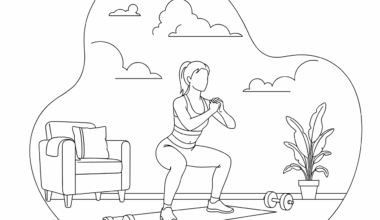
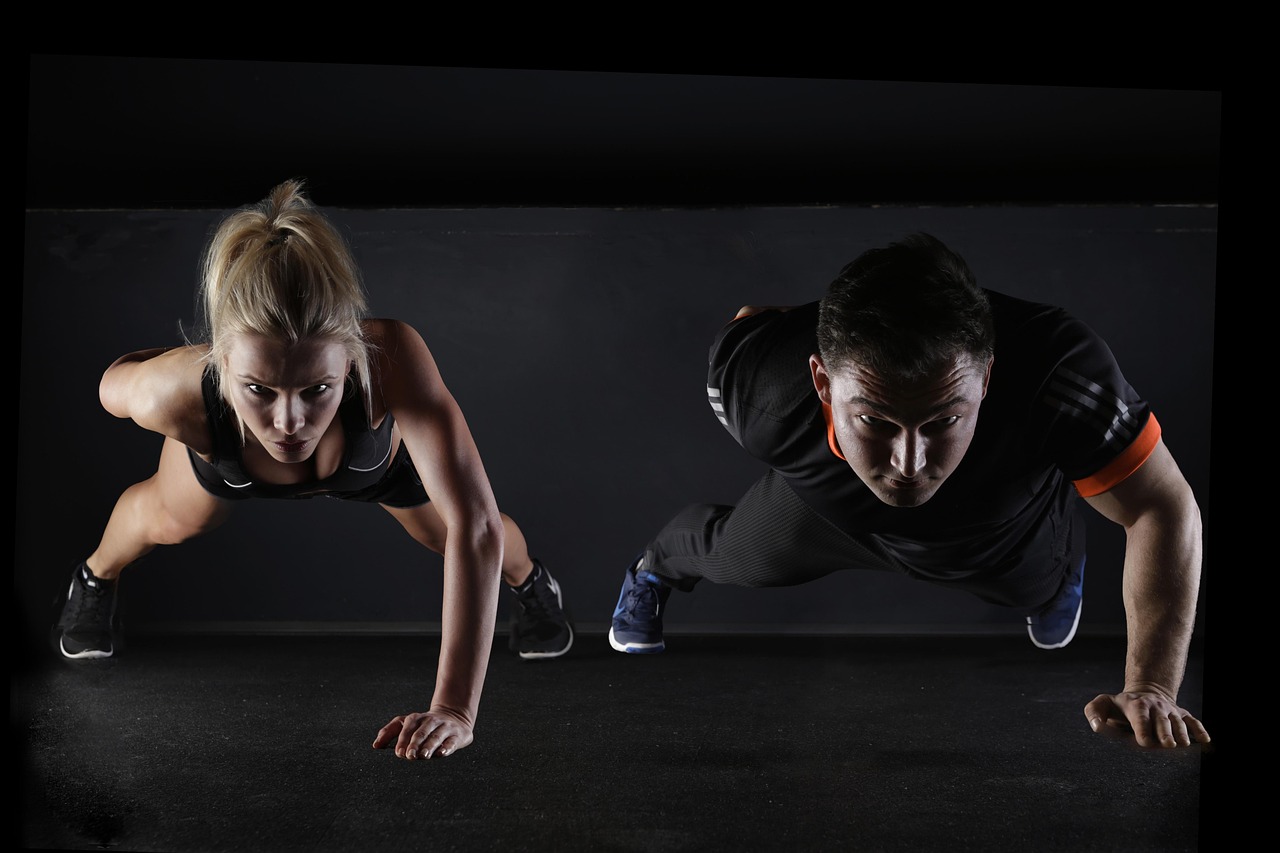
High-Intensity Interval Training (HIIT) has gained popularity due to its efficiency in burning fat and building muscle. The unique combination of short bursts of intense exercise followed by rest periods pushes your body to its maximum potential. To further enhance these benefits, incorporating strength training into your HIIT routine provides a comprehensive workout. By integrating strength elements, you engage multiple muscle groups, improving overall strength and endurance. Think about performance-related goals such as increasing power and flexibility. To start, include compound movements like squats, lunges, and push-ups, which effectively target various muscle groups. Structure your HIIT by alternating between strength exercises and conditioning movements, maintaining high effort levels throughout. Moreover, strength training can help prevent injuries and support recovery. It’s essential to have a clear plan and ensure that your form remains correct, especially during intense intervals. As you adapt, progressively increase weights and resistance for more significant challenges, enhancing your strength while preserving the HIIT effectiveness. This combination ultimately helps you achieve your fitness goals more efficiently, making the most of each training session.
Benefits of Strength Training in HIIT
Adding strength training to your HIIT routine not only boosts caloric burn during workouts but also increases post-exercise oxygen consumption (EPOC), leading to afterburn effects. This means your body continues to burn calories after you leave the gym! By incorporating resistance exercises into your regimen, you’re sculpting lean muscle and defining your physique. Furthermore, strength training enhances core stability and balance, essential components for improving overall fitness. Stronger muscles will enable you to perform HIIT movements with better form, subsequently reducing injury risk. The interplay of strength development and cardiovascular fitness increases functional strength, which translates into improved performance in daily activities. Experience the difference when performing tasks requiring endurance and strength! Another fantastic benefit is the mental boost; achieving new strength milestones promotes a sense of accomplishment. For beginners, resistance bands or bodyweight exercises can serve as an effective introduction before escalating to heavier weights. This gradual build-up helps ensure you stay motivated and reduces burnout. Ultimately, the synergy of strength training and HIIT creates a well-rounded workout that maximizes your fitness potential.
To personalize your HIIT workouts, consider setting specific goals for strength training achievements alongside cardio milestones. Tailoring your regimen ensures long-term engagement and progress. One approach is to focus on major lifts such as squats, deadlifts, and bench presses, integrated within your HIIT structure. Charting progress weekly helps identify areas of improvement, whether that’s increasing weight or the number of repetitions. Ensuring balanced workouts by targeting all major muscle groups during each session aids in muscle symmetry. Developing a habit of alternating between lower and upper body strength exercises promotes recovery and prevents fatigue. Also, combine explosive moves like mountain climbers or kettlebell swings with traditional strength exercises to realize a greater cardiovascular challenge. Maintain a journal or use fitness apps to track workouts and capture incremental achievements. With consistent effort and well-designed HIIT routines, it is entirely possible to attain optimal strength levels while ensuring cardio fitness. Remember, listening to your body and scheduling rest days are vital for peak performance and recovery, allowing your body to heal and strengthen.
Finding the Right Balance
Balancing strength training and HIIT workouts is essential for reaching fitness goals without overexertion. Each individual’s needs and capabilities can affect how to best structure this balance. For example, a seasoned athlete may require more intense strength movements within their HIIT sessions compared to a beginner. Similarly, an effective HIIT plan considers available time and frequency. Aim for a minimum of 2-3 sessions per week focusing on strength alongside your HIIT workouts. A balanced approach ensures equal emphasis on endurance and muscle development. Avoid overloading on either cardio or strength elements; both need time and focus to achieve optimum results. The intensity level of each workout should match your current fitness status, adjusting gradually as you progress. Additionally, consider focusing on different muscle groups during each training session to maintain energy levels high. Proper nutrition and hydration in conjunction with workout varieties will further optimize results occurring from your routines. As you prioritize balance in your regimen, you will solidify a positive mindset towards fitness, leading to a sustainable healthy lifestyle.
Fueling your body correctly before and after HIIT workouts intensifies the performance gains from integrating strength training. Nutrition plays a pivotal role, so focus on a balance of carbohydrates, proteins, and healthy fats. Consume complex carbs, like whole grains and fruits, before workouts to provide the necessary energy. This fuel ensures you hit high-intensity intervals effectively without feeling drained. Post-workout nutrition is equally important; rapidly consuming protein refuels muscle recovery. Think about recovery meals that combine protein with healthy carbs to replenish your energy stores. Smoothies with whey protein and fruit or a chicken and quinoa salad present perfect nutritional options. Lastly, hydration remains critical to performance and recovery, bettering concentration and muscle function during workouts. As you create your HIIT plan, be sure to include ample time for rest and recovery. Listening to your body helps prevent burnout that may come from pushing limits too far. With dedication to both nutrition and structured workouts, successful integration of strength training into your HIIT routine will become evident in every workout.
Tips for Effective Integration
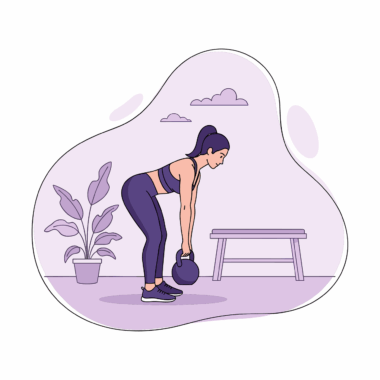
To effectively incorporate strength training into your HIIT workouts, have a clear and structured plan in place. Commence sessions with a 5-10 minute warm-up to prepare your muscles, preventing injury duringhigh-intensity intervals. Prepare your body for training by implementing dynamic stretches, such as leg swings or arm circles, enhancing flexibility and mobility. Transition smoothly between resistance exercises and consolidation moves, ensuring you remain within your desired intensity range. For instance, pair strength components like deadlifts with timed cardio, such as burpees, maintaining your heart rate elevated. Opt for shorter intervals manipulating both strength and cardio to maximize time efficiency while testing your endurance. Utilize a timer for effective transitions, urging you to stay focused and endure challenges. Moreover, consider working with a trainer or utilizing online guided sessions for proper technique and motivation. As you enhance your knowledge and understanding, it enables you to execute movements safely and confidently. Track your progress to celebrate achievements and help set new goals continuously, creating a fulfilling fitness journey.
Lastly, ensure you include flexibility and mobility-specific exercises into your overall fitness plan, contributing positively to your HIIT and strength training sessions. Incorporating yoga or stretching can improve your overall performance, facilitating better range of motion and reducing muscle soreness. To enjoy the full benefits of this integrated approach, devote time each week to focus solely on flexibility workouts. Further, enhancing flexibility eases the transition between different exercises during your routine, promoting efficiency and comfort. Attend classes or follow online tutorials to engage in forms of yoga or pilates, designed expressly to strengthen core stability. By maintaining equilibrium between strength, cardio, and flexibility, you create a comprehensive fitness level that fosters improved overall performance. Ultimately, dedication toward a diverse and balanced routine promises optimal results and sustained motivation. Emphasizing well-rounded fitness not only amplifies physical performance but ensures mental well-being too. Inspire yourself daily to push boundaries and elevate your fitness endeavors; the journey becomes rewarding when nurtured from multiple angles. Enjoy embracing your HIIT and strength training integration!
In conclusion, the pathway toward effective fitness is paved with varied routines and structured goals. Implementing strength training into your HIIT regimen offers comprehensive benefits, enabling you to achieve enhanced physical and mental endurance. Improving overall body function through compound exercises, effective fueling, and recovery techniques empowers fitness journeys. Explore different methods, evolving your workouts each week to prevent monotony. Tuning into your body’s needs fosters a sustainable approach that encourages healthy habits for lasting change. As you discover personal progress throughout your fitness journey, note that each achieved milestone forms a crucial part of your evolving regimen. Experience the satisfaction that accompanies consistent effort, and maintain focus on your goals. Remember that every workout represents a step forward, even if small, towards your overall aim. Whether your goal is weight loss, muscle gain, or improved athletic performance, integrating strength training into HIIT significantly influences success in achieving your desired results. Be patient and trust the process, knowing that effort multiplied by the right strategy guarantees progressive outcomes. With each session, you’ll provide the foundation needed for a healthier, more fulfilling lifestyle moving forward.