
How Fitness Regimens Affect Immune Function in the Elderly
As individuals age, maintaining a robust immune system becomes increasingly vital for overall health. Research consistently shows that regular exercise can significantly enhance immune function, particularly among the elderly. Engaging in moderate physical activity helps stimulate the immune response, promoting the circulation of immune cells throughout the body. Studies suggest that even as little as thirty minutes of daily exercise can lead to better immune outcomes. This consistent activity can mitigate the risks of infections and various inflammatory diseases that often affect older adults. Furthermore, exercise can lead to improvements in physical fitness, strength, and mobility, all of which contribute to enhanced quality of life. Moderate exercise regimens have been shown to increase the levels of circulating cytokines, which are proteins important for cell signaling. Improved circulation further allows for a better dispersion of these cells that aid in immune function. Interestingly, resistance training has demonstrated marked benefits, including increased muscle mass and strength, which correlate with robust immune responses. Therefore, integrating fitness regimens into daily life is essential for healthier aging and better immunity.
The Role of Aerobic Exercise
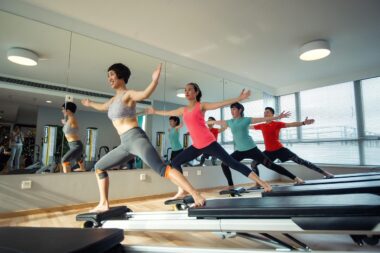
Aerobic exercise, which includes activities such as walking, cycling, and swimming, plays a critical role in boosting immune function among older adults. Various studies have shown that consistent aerobic activity leads to improved fitness in cardiovascular health, ultimately benefiting the immune system. Engaging in aerobics can enhance oxygen delivery to tissues, thereby improving cellular function. Notably, participants in these studies exhibited increased levels of immunoglobulins and T-cells, which are crucial for immune defense. Aerobic workouts also help in reducing stress hormones, which when accumulated can hinder immune performance. Notably, longevity studies suggest that older adults participating in regular aerobic activities demonstrate a lower incidence of chronic disease, including heart-related ailments. Such activities stimulate the body to produce endorphins, improving mood and thus indirectly supporting immune health. Furthermore, group aerobic classes offer valuable social interaction, enhancing mental wellness. Enhancing aerobic capacity is linked to decreased inflammation, which is critical for combating age-related diseases. Therefore, regular incorporation of aerobic activities is vital for improved immune responses, especially in elderly populations striving to maintain health and vitality.
Strength training is another effective modality that significantly impacts immune function in aging individuals. Studies have highlighted that resistance exercises contribute to the maintenance of muscle mass, which declines with age. This decline can lead to a weakened immune response and increased susceptibility to infections. Engaging in strength training at least twice weekly has been linked to improving overall immune function, enhancing metabolic health, and managing chronic conditions. Increased muscle mass and strength not only help in daily activities but also support optimal immune responses through various biological pathways. Importantly, strength training promotes the release of myokines, which are beneficial for immune health. These proteins assist in modulating inflammation and aiding immune cell function. As a result, older adults participating in strength training programs can experience enhanced quality of life and reduced risks of morbidity. Mental health benefits accompany the physical advantages, as strength training offers a sense of accomplishment and confidence among seniors. Emphasizing strength training is essential for those wishing to improve their immune health and overall wellness, showing positive effects on longevity and vitality.
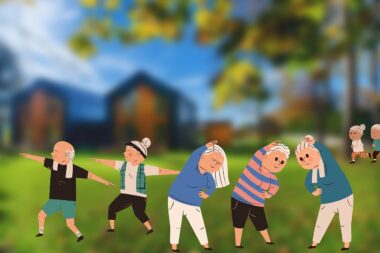
Flexibility and balance exercises also play an important role in maintaining immune function by reducing the risk of injuries among older adults. Activities like yoga, tai chi, and stretching routines contribute to improved balance and coordination, minimizing falls which can lead to serious health complications. When seniors engage in these activities, they are less likely to be sidelined by injuries, thereby maintaining a steady routine of exercise that supports their immune system. Furthermore, these practices often incorporate mindfulness and relaxation techniques, leading to lower levels of stress and anxiety. This is particularly essential for immune health, as chronic stress impairs white blood cell function. Consistent practice can help maintain range of motion and, thus, overall mobility among seniors. Moreover, they often foster community and social connections, providing psychological and emotional benefits that indirectly support immune function. Practicing flexibility and balance exercises allows older individuals to maintain their physical independence, which is foundational for overall well-being. Ultimately, incorporating a good mix of flexibility training in regimes is critical for holistically promoting immune and physical health.
Nutrition significantly amplifies the benefits of fitness regimens in enhancing immune function among the elderly. A well-balanced diet, rich in vitamins and minerals, can synergistically work with regular exercise to fortify immune responses. Nutrients such as vitamin C, vitamin D, and zinc are particularly vital for maintaining robust immunity. Older adults should focus on whole foods like fruits, vegetables, lean proteins, and whole grains. Antioxidant-rich foods help combat oxidative stress, promoting cellular health and immune efficacy. Collaborating with a dietitian ensures that elderly individuals meet their nutritional needs effectively, particularly when they have dietary restrictions. Furthermore, hydration is equally important for overall health and immune function. Staying well-hydrated aids in cellular functions and can improve exercise performance, facilitating a more active lifestyle. Nutrition also plays a role in recovery; post-exercise nourishment aids in muscle recovery and immune support after workouts. Therefore, integrating nutritional education alongside fitness initiatives can lead to comprehensive health improvement for the elderly, fostering their resilience against illnesses and promoting longevity.
Social factors significantly influence the effectiveness of fitness regimens in enhancing immune function. Engaging in group fitness classes or home-based exercise with companions can enhance motivation and adherence to regular exercise. Social interactions foster a sense of community which has mental health benefits, thereby positively influencing immune health. Studies point out that social isolation negatively affects immune responses among older adults, increasing the risk of various health conditions. By participating in collective exercise regimes, seniors can improve not only their physical health but also their emotional well-being. These activities provide opportunities for shared experiences and support systems. Additionally, family involvement in encouraging physical activity can greatly impact older adults’ motivation to remain active. When social and physical activities align, the benefits multiply, further amplifying the immune-boosting effects of regular exercise. Technology also plays a role in facilitating social interactions, with many older adults engaging in virtual fitness classes during periods of lockdown or isolation. Aligning fitness with social engagement is essential for comprehensive support of immune health in aging populations.
The role of consistency in exercise routines cannot be overstated when considering immune health in elderly individuals. Establishing a reliable fitness regimen is crucial for yielding long-lasting benefits. Consistent activity ensures that the immune system remains engaged over time, promoting greater physiological adaptations. This is particularly important as sedentary lifestyles can lead to decreased immune competence and an increased risk of diseases. Setting achievable goals can help seniors maintain their exercise routines without feeling overwhelmed. Gradual increases in intensity and duration can support adherence and efficacy. Individuals who consistently engage in physical activity also tend to report higher energy levels and improved functional capabilities. Thus, focusing on sustainable practices ensures that older adults remain active and healthy well into their later years. Communities can work to promote fitness by providing accessible resources, creating environments that encourage movement. This can be through local parks, classes, or programs tailored for older adults, fostering a culture of health. Consistent fitness regimens paired with an awareness of immune function can promote better aging experiences for older populations.