
How Do Different Intensities of Exercise Affect Anxiety Levels?
Understanding the relationship between exercise intensity and anxiety levels is essential for individuals with mental disorders. Numerous studies highlight that varying levels of physical activity can significantly influence mental health. Light exercise, such as walking or gentle stretching, is often recommended for those new to physical fitness. Research shows that engaging in low-intensity workouts may reduce feelings of anxiety and enhance overall mood. This is due to the release of endorphins, often known as ‘feel-good’ hormones. Moreover, light exercise promotes improved sleep, contributing to decreased anxiety levels. Alternatively, moderate-intensity exercise, like brisk walking or cycling, tends to produce even more profound benefits on mental health. These workouts elevate heart rate and breathing, resulting in increased endorphin production. Individuals often report a sense of accomplishment and improved coping mechanisms following moderate physical activity. High-intensity workouts also show promise and can provide substantial benefits. However, it can be overwhelming for beginners and may increase stress if not managed well. It’s crucial to tailor exercise intensity to individual ability and comfort levels to maximize benefits for mental health.
Besides intensity, duration and frequency of exercise play a vital role in mental health. Engaging in regular physical activity can yield cumulative benefits that translate into reduced anxiety symptoms. Consistency is key when aiming to affect anxiety levels positively. Experts recommend aiming for at least 150 minutes of moderate exercise each week. This duration is typically spread out over several days to optimize mental health benefits continually. Varying the type of exercise is also beneficial; incorporating aerobic exercises, resistance training, and mind-body activities such as yoga can provide a balanced approach. While aerobic exercises help boost circuits, yoga and mindfulness practices work on stress reduction. Establishing a routine can create a sense of stability in any anxiety-prone individuals. Additionally, social interactions associated with group classes might also alleviate feelings of loneliness and isolation, which can exacerbate anxiety. Finding an enjoyable activity is essential. A positive association with exercise can lead to long-term commitment towards fitness, ensuring sustained mental health enhancements. In summary, a comprehensive view of exercise, including intensity, duration, and variety, can be advantageous in managing anxiety disorders successfully.
The Role of Exercise in Social Anxiety
For individuals with social anxiety, exercise can act as a form of exposure therapy. Participating in group workouts, such as fitness classes or team sports, can gradually help individuals confront their fears. They might feel anxious about being judged by others during these activities, but engaging regularly can reduce those feelings over time. As comfort levels increase, so do self-confidence and anxiety management. Additionally, building friendships and support networks through group exercises can become invaluable. This social aspect may further alleviate feelings of isolation and lack of belonging. Group activities help individuals feel connected, fostering a sense of community where people can motivate and support each other. The physiological benefits of exercise cannot be overlooked, as regular activity increases the brain’s serotonin levels, improving overall mood. It is important to note that while exercise can assist in managing social anxiety, it should complement other treatments, such as therapy or counseling. Therefore, individuals experiencing significant anxiety may seek professional guidance. Ultimately, a combination of social interaction and physical fitness can create a powerful tool in decreasing anxiety symptoms and enhancing mental well-being.
Moreover, the effects of exercise on anxiety are not limited to traditional forms of training. Non-traditional activities such as dance, martial arts, and outdoor sports can play significant roles in mental health as well. Dance provides a unique outlet for emotional expression, helping individuals release pent-up tension and anxiety. Martial arts often incorporate mindfulness techniques, offering both physical challenges and mental focus. Evidence shows that nature-based activities provide mental health benefits as well. Exercises like hiking, gardening, or nature walks can induce feelings of tranquility and connection to nature, mitigating anxious tendencies. Engaging with nature has shown calming effects and may enhance mood through increased exposure to sunlight, which affects serotonin levels positively. The act of being outdoors and experiencing surroundings can shift focus away from stressors. Additionally, engaging in these non-traditional areas fosters creativity and self-expression, which can empower individuals battling anxiety. Exploring diverse options allows for greater adaptability and personalization of fitness regimens, ultimately benefiting mental health in various ways. Individual preferences and comfort should guide these choices to cultivate enjoyable experiences that motivate regular participation.
Finding the Right Intensity for You
Finding the right intensity of exercise tailored to individual needs is paramount when addressing anxiety levels. It is essential to start slow, building up from low to moderate intensity as comfort and capability increase. Understanding personal fitness levels and recognizing any associated psychological challenges are important steps. Individuals should listen to their bodies; discomfort can signal the need to adjust intensity. Additionally, incorporating a mix of both moderate and high-intensity workouts can maximize benefits while minimizing overwhelming feelings. Most importantly, developing a support system is recommended. Friendly encouragement can inspire individuals to persist in their exercise programs. Professional trainers specializing in mental health can offer guidance in devising personalized regimens. Seeking opportunities to join fitness classes or groups can connect individuals with similar goals and experiences. Furthermore, setting realistic fitness goals promotes a sense of achievement, reinforcing a positive relationship with exercise. Reminding oneself of the benefits of physical activity, both emotional and physical, can help encourage sustainable habits. With ongoing commitment, gradual intensity increases can lead to enhanced mental health and reduced anxiety symptoms over time.
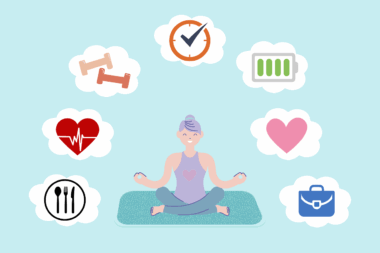
Lastly, it’s crucial to understand that managing anxiety with exercise is a holistic process. Many factors contribute to mental wellness, including diet, sleep patterns, and lifestyle choices. Therefore, adopting a comprehensive approach that considers all aspects of well-being is essential. Adequate nutrition fuels physical activity, while proper sleep hygiene can enhance recovery and mental clarity. Mindfulness practices in conjunction with regular exercise not only enhance focus but also promote emotional regulation. Stress management techniques, such as journaling or meditative practices, can complement the effects of exercise on anxiety levels. Creating balance in life can create a better environment for tackling anxiety. Additionally, seeking professional assistance when feeling overwhelmed is important. Therapists can help individuals develop coping strategies, structure routines, and address underlying issues contributing to anxiety. Integrating fitness into a broader strategy will yield significant benefits for mental health. Fitness should be seen as one component of an overall wellness journey. Individuals equipped with multiple approaches stand a better chance of managing anxiety effectively, focusing on a brighter, more balanced future.
Conclusion
In conclusion, various intensities of exercise can significantly impact anxiety levels, offering individuals powerful tools for managing their mental health. Whether through light, moderate, or high-intensity workouts, physical activity fosters emotional balance, social connection, and improved mood regulation. It’s essential to recognize that the exercise must be adaptable to individual needs and lifestyles. Moreover, the benefits extend beyond exercise alone and should be woven into a comprehensive mental wellness strategy. Incorporating proper nutrition, quality sleep, and mindfulness practices further enhances the effects of exercise on anxiety. Immediate action assures individuals can test different activities, assess comfort levels, and discover what works best for them. By maintaining a supportive network and seeking experienced guidance, individuals can successfully navigate their fitness journeys. Ultimately, the path to managing anxiety can be multifaceted and uniquely tailored to each person’s preferences. Consciously employing holistic practices and maintaining gradual progress contributes to overcoming mental hurdles. Through dedication and commitment, positive transformations in mental health can flourish through diverse avenues of fitness, helping create a more resilient future.