
Strength Training for Women: Breaking Stereotypes
Strength training is often perceived as a male-dominated domain, but this stereotype is gradually being dismantled. Women engaging in strength training can significantly benefit from increased muscle tone and strength. Not only does it improve physical appearance, but it also enhances overall health. Strength training increases metabolism, helping in weight management and fat loss. Additionally, it builds confidence and self-esteem, which is particularly empowering for women. Research has demonstrated that women can build muscle just as effectively as men when following a tailored strength training program. It’s essential to understand that women do not usually bulk up like men because of hormonal differences. The hormones responsible for muscle growth, like testosterone, are present in much lower levels in women. Therefore, strength training for women leads to a toned look rather than a bulky physique. Moreover, it can improve bone density and reduce the risk of osteoporosis in the long run. Women should embrace strength training as a critical component of fitness, as it encourages a healthier lifestyle and effectively dispels outdated notions about women and weightlifting.
Benefits of Strength Training
Engaging in strength training, women often discover numerous physical and mental health benefits. Strength training not only boosts muscle strength but also enhances cardiovascular health. Improved blood circulation helps in maintaining optimal blood pressure and lowering cholesterol levels. This training also aids in better insulin sensitivity, reducing the risk of diabetes. Beyond physical benefits, strength training positively influences mental well-being. The endorphins released during workouts can combat anxiety and depression, contributing to a more positive mindset. Furthermore, strength training improves sleep quality, helping women feel more energetic and focused throughout the day. Social connections can also be forged in strength training groups or gyms, allowing women to bond over shared goals. Additionally, many women find that strength-training routines are empowering and enjoyable. Variety in workouts through different exercises keeps the routine fresh and fun. Establishing a consistent strength training schedule fosters resilience, both mentally and physically. The empowerment that comes from lifting weights can significantly influence a woman’s life outside the gym. Not only does strength training build physical strength, but it also encourages strength of character and perseverance.
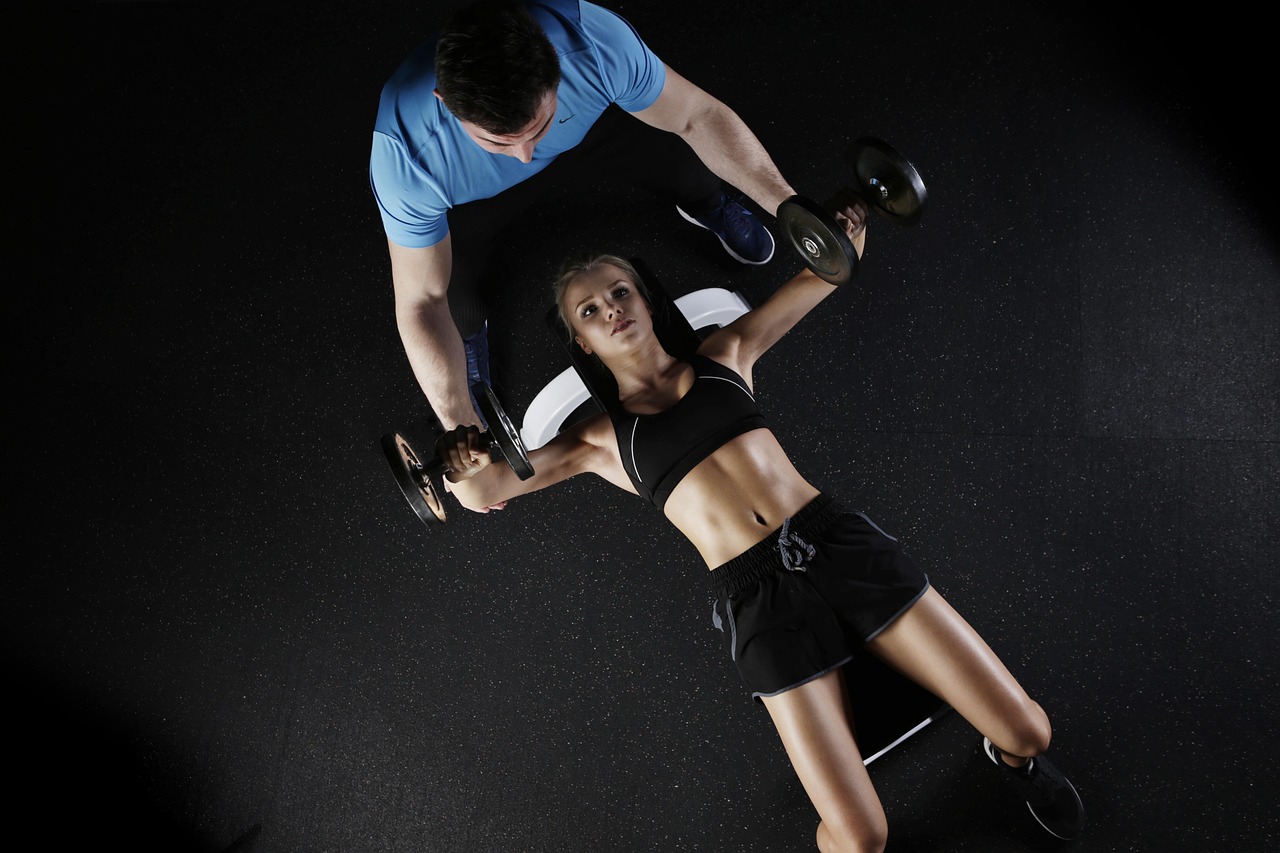
It’s common for women to feel intimidated in a weightlifting environment, which can lead to hesitation in starting strength training. Education is key in overcoming this trepidation. Familiarity with gym equipment and techniques can greatly increase confidence levels. Beginners should start with lighter weights and focus on mastering form before progressing to heavier loads. Many fitness facilities offer specialized classes for women, creating a supportive atmosphere. Personal trainers experienced in working with women can provide tailored advice and encouragement. Online communities and resources also offer valuable information for women embarking on their strength training journey. Additionally, understanding the right nutrition is crucial for performance and recovery when lifting weights. A diet rich in protein, healthy fats, and whole foods can enhance results. Hydration should not be overlooked, as it plays a vital role in how the body functions during workouts. Setting achievable goals can also fuel motivation. Celebrating small milestones leads to increased confidence and commitment to a strength training program. Ultimately, a support system can keep women engaged in their fitness journey, helping them break through barriers and embrace strength training.
Nourishing the Body
Nutrition plays a pivotal role in the effectiveness of any strength training program. Women need to focus on a balanced diet that supports their fitness goals while providing essential nutrients. Consuming adequate protein is vital as it aids in muscle repair and growth. Different sources of protein, including lean meats, legumes, and dairy, should be incorporated into daily meals. Healthy carbohydrates, like whole grains and fruits, provide the necessary energy levels for intense workouts. Incorporating healthy fats, such as avocados, nuts, and seeds, supports overall health and hormone regulation. It’s also essential to tailor nutrition strategies around workout schedules to provide energy and aid in recovery. Many women underestimate the importance of meal timing and hydration. Nutrition before and after workouts is crucial for maximizing performance and enhancing recovery. Strong hydration leads to improved endurance and reduced fatigue during workouts. Adequate vitamin and mineral intake, especially calcium and Vitamin D, is vital for bone health. Women should pay attention to their bodies’ signals to understand the food types that work best for individual training regimens. Furthermore, meal-prepping can ease the incorporation of these foods into a busy lifestyle.
Many women fear that heavy weightlifting will lead to undesirable physical changes, such as becoming overly muscular. This myth continues to perpetuate stereotypes surrounding female strength training. The truth is, achieving a bulky physique requires specific training and nutritional regimens, often unattainable for those lifting moderate weights. Women who strength train often achieve a more sculpted appearance, enhancing their overall physique. The misconception stems largely from societal standards dictating how women should look. Breaking away from these pressures can be liberating. A growing number of fitness role models demonstrate that women can be strong without compromising femininity. Strength training does not only change physical appearance but builds character and resilience. Instead of focusing solely on aesthetics, women should appreciate the empowerment that comes from physical strength and capability. Celebrating what the body can achieve rather than what it should look like is essential in reshaping these outdated narratives. Women should surround themselves with positive influences and communities that uplift and encourage a diverse representation of strength. This communal support helps in solidifying the belief that strength training is for every woman.
Setting Goals and Tracking Progress
Establishing goals is essential for women beginning a strength training journey. Having clear, achievable goals helps maintain motivation and focus throughout the process. These goals can vary widely, from aesthetic improvements to mastering specific lifts or increasing overall strength. Tracking progress through journals or fitness apps provides insights into advancement over time. Additionally, measuring performance through metrics such as weights lifted or reps completed can enhance goal accomplishment. Celebrating small successes keeps motivation high and fosters a sense of achievement. Joining supportive communities can offer encouragement and accountability as progress unfolds. Encouragement from friends and workout partners can greatly enhance adherence to a planned regimen. Women should remain adaptable with their goals, as needs and circumstances can change. Flexibility in the training approach helps accommodate shifts while staying aligned with overall fitness ambitions. Moreover, understanding that progress may not always be linear is crucial. Plateaus and challenges are natural parts of any fitness journey. Women should focus on progress, both big and small, reinforcing the importance of persistence and patience in the pursuit of strength training goals. This journey, unique for every woman, ultimately shapes physical and emotional strength.
Ultimately, strength training for women can significantly impact overall health, fitness, and self-esteem. Breaking stereotypes is vital in promoting the inclusion of women in strength-focused activities. Engaging in strength training allows women to cultivate inner and outer strength, driving improvements in physical performance and well-being. Women must educate themselves about strength training’s benefits while seeking to debunk societal myths surrounding heavy lifting. Establishing a supportive community can enhance the experience, fostering a sense of belonging. Embracing strength training opens up avenues for discussions regarding women’s health, empowerment, and fitness. Additionally, the representation of female strength in media and fitness culture influences societal perceptions of women in sports and physical activities. Advocating for equal recognition of women in strength sports is critical to dispel outdated views. Every woman should feel encouraged to explore strength training, regardless of individual goals or aspirations. With the right mindset, education, and support, strength training can be a transformational journey for women. It’s time to see strength training as a vital component of a woman’s fitness routine, embracing its numerous benefits without fear of societal judgment.
Conclusion
In conclusion, strength training is an empowering and rewarding pursuit for women that transcends physical benefits. Women have the potential to break societal norms by engaging in strength training actively. Understanding the science behind strength training equips women with the knowledge to debunk myths regarding bulking and body image. Developing a personalized routine suited to individual goals and preferences promotes a positive relationship with her body. Regular strength training sessions contribute to women’s overall physical capabilities and mental resilience. As women embrace strength training, they challenge stereotypes and advocate for their health and fitness futures. Encouraging more women to participate in strength training can facilitate a cultural shift toward inclusivity and acceptance in fitness spaces. Moreover, empowering stories of women in strength training should be shared to inspire others. This continued movement breaks barriers and cultivates a community that celebrates women’s strength and achievements. Together, women can dismantle stereotypes and demonstrate that strength training is an essential aspect of health and fitness for every woman. By fostering this environment, we pave the way for a future where all women embrace their strength and potential through training.