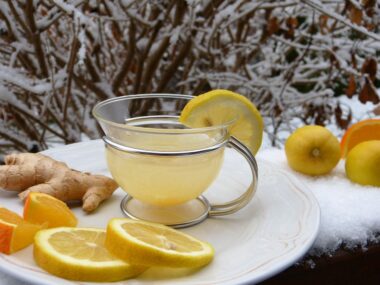

Role of Multivitamins in Enhancing Cold and Flu Immunity
Cold and flu season can be challenging, especially for those wanting to maintain strong immunity. Multivitamins may play a significant role in supporting the body’s defense mechanisms. They contain essential vitamins and minerals that help enhance the immune response. For instance, Vitamin C is well known for its ability to boost immune function, while Vitamin D is crucial in regulating the immune response. Additionally, B vitamins support energy levels, which is vital when the body is battling an infection. A well-balanced multivitamin can therefore provide the nutritional foundation necessary to help withstand the challenges posed by seasonal illnesses. The quality of multivitamin supplements is essential; consumers should opt for formulations that offer a comprehensive blend of key nutrients. Products that are tested for purity and potency can further ensure that individuals receive maximum benefits. Furthermore, pairing these supplements with a balanced diet rich in fruits and vegetables can create a synergistic effect, strengthening overall immunity. This approach not only aids in prevention but also supports recovery during and after illness.
The importance of multivitamins during cold and flu season cannot be overstated. During these months, many individuals may face increased stress or dietary changes, which can lead to nutritional gaps. Multivitamins can fill these gaps effectively, providing micronutrients that are often lacking in routine diets. For example, Zinc is known for its powerful role in immune function, while Selenium supports the body’s antioxidant defenses. Studies have suggested that individuals who are deficient in these nutrients may experience longer illnesses and more severe symptoms. Therefore, incorporating a daily multivitamin can help prevent these deficiencies from affecting overall health. In addition, hydration is another key factor in maintaining good health during cold and flu season. Water-rich foods rich in vitamins further enhance hydration levels. It is crucial to remember that these supplements are not a cure for colds or flu; instead, they are a proactive step in promoting better health and resilience. Engaging in regular physical activity, getting adequate sleep, and practicing good hygiene are complementary measures that contribute significantly to an individual’s ability to fend off seasonal illnesses.
Choosing the Right Multivitamin
Selection plays a critical role when it comes to consuming multivitamins for cold and flu support. Factors such as age, gender, and specific health needs can influence the choice of multivitamin. For example, older adults may require higher levels of certain nutrients, like Vitamin B12 and calcium, compared to younger adults. A multivitamin that meets these unique needs will provide better support for their immune systems. Women may benefit from formulations that include iron, which is necessary for maintaining energy levels and overall immune function. Consumers should always consider selecting multivitamins that contain complementary ingredients to boost immunity, such as elderberry and echinacea. Additionally, reading product labels is essential; avoid those high in additives or preservatives that may be counterproductive. Furthermore, consulting with healthcare providers can ensure that the chosen multivitamin aligns with individual health goals and conditions. Quality brands will often provide clinical studies or transparent sourcing information, helping users make informed choices. The overall aim should be to find a well-rounded multivitamin that can safely enhance immunity during peak flu seasons.
Beyond conventional multivitamins, there are various specialized formulas designed specifically for cold and flu support. These often include a blend of vitamins, minerals, and herbal extracts known for their immune-boosting properties. For example, products containing Vitamin C and Zinc have been shown to reduce the duration of colds in various studies. Herbal ingredients like echinacea and elderberry have also gained attention for their potential to help enhance the immune response. These natural components can work synergistically with vitamins to provide enhanced support during illness. However, individuals should be cautious of supplements that make exaggerated claims of curing colds or flu, as no supplement can claim to prevent these illnesses outright. It’s essential to approach these products realistically, understanding their role as supportive tools rather than definitive solutions. Combining these specialized supplements with a healthy lifestyle can create a robust defense against illness during colder months. Regular check-ins with a healthcare provider also ensure the right strategies are being implemented for optimal health and wellness.
Dietary Synergy with Multivitamins
A balanced diet rich in whole foods complements the effects of multivitamins and is critical for immune health. Food sources such as fruits and vegetables inherently provide necessary vitamins, minerals, and antioxidants. Foods like citrus fruits are high in Vitamin C, while spinach is an excellent source of Vitamin A and other essential nutrients. Consuming a variety of these foods ensures that the body receives ample nutrients, which can work in synergy with multivitamins. Furthermore, proteins found in lean meats, fish, and legumes can promote recovery and immune function. The combination of dietary intake along with multivitamin supplementation creates a powerful partnership. Hydration is equally important; water aids in nutrient absorption and overall cellular function. During cold and flu season, considering foods with anti-inflammatory properties can also support the body’s defenses. Garlic, ginger, and turmeric are often recommended for their potential immune-boosting effects. In light of this information, aiming for a crucial balance between supplementation and a nutrient-rich diet is essential for maintaining optimal immunity throughout the seasonal challenges.
Proper timing and dosage of multivitamins can further enhance their efficiency for cold and flu support. Taking these supplements adequately aligned with meals can ensure better absorption, as some vitamins are better utilized with food. For example, fat-soluble vitamins like A, D, E, and K are best taken with meals that include fat. Conversely, taking water-soluble vitamins such as B-complex and Vitamin C can occur at various times throughout the day. Many individuals find it helps to create a routine that incorporates multivitamins seamlessly into their daily lives. Following the manufacturer’s recommended dosages is crucial, as exceeding them can lead to toxicity, particularly with fat-soluble vitamins. Engaging in regular health check-ups enables users to adjust their supplementation if necessary based on their individual health status. This proactive approach not only enhances how the body responds during cold and flu seasons but also contributes to long-term wellness goals. Balancing multivitamins’ role with comforting practices such as consuming warm teas, maintaining proper hygiene, and managing stress can collectively improve immune resilience.
Conclusion: A Comprehensive Approach to Immunity
Integrating multivitamins into a comprehensive approach to immunity offers vast benefits, especially during cold and flu season. Their effectiveness should not be viewed in isolation; rather, they should be part of an overall health strategy that includes proper nutrition, hydration, rest, and exercise. These elements together create a strong defense against seasonal illnesses. More individuals are becoming proactive about their health and adopting these preventive measures earlier. Making informed choices about supplementation and lifestyle adjustments significantly enhance personal resilience to cold and flu viruses. The critical takeaway is that while multivitamins provide invaluable support, they should complement a broader healthy lifestyle rather than serve as a standalone solution. Consulting healthcare professionals for personalized advice can lead to better outcomes and tailored strategies. Thus, awareness about nutrient requirements and making educated choices on multivitamin use is fundamental. With these approaches, individuals empower themselves to face cold and flu seasons with greater confidence and health. Prioritizing wellness today can lead to a more vibrant, healthier future for everyone amid annual seasonal challenges.
In the ever-evolving landscape of health, being educated about the role of multivitamins in boosting immunity can make a significant difference. By understanding the various components and how they work together in promoting health, individuals can take decisive steps toward enhanced well-being. Living through cold and flu seasons no longer needs to be a time of fear but rather an opportunity to optimize health through informed choices. Committing to a well-rounded health routine encourages not only higher immunity but also a healthier lifestyle overall. The expanding market of supplements continues to demonstrate innovations that can assist people in navigating these seasonal challenges effectively. Therefore, individuals should embrace the power of multivitamins while understanding their limitations. Combining intelligence in selecting the right products with a hearty lifestyle fosters a robust immune system. Lastly, it encourages the audience to approach cold and flu seasons with knowledge and strategy, reinforced by both dietary and supplementary support. In embracing comprehensive wellness, one can truly thrive through seasonal flu challenges with confidence and resilience.