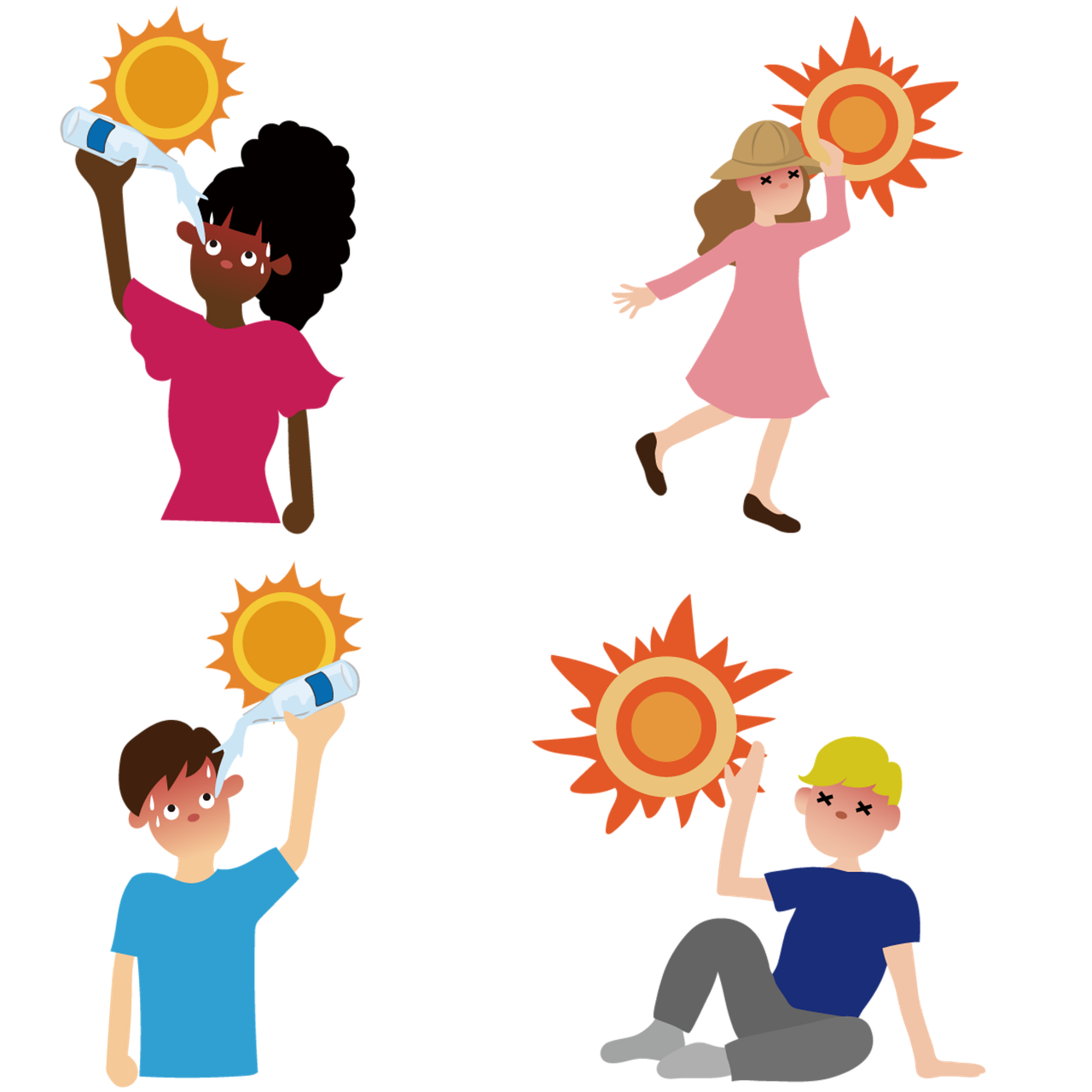

Linking Hydration to Reduced Risk of Heatstroke and Sunburn: Expert Insights
Hydration plays a pivotal role in regulating body temperature and preventing heat-related illnesses, especially during hot weather. When we’re adequately hydrated, our bodies can more effectively manage heat through processes like sweating. This natural cooling mechanism is crucial in avoiding heatstroke, which can be a life-threatening condition. Heatstroke occurs when the body overheats and is unable to cool down, leading to severe consequences. It becomes even more critical to consume enough fluids when spending time outdoors, particularly under direct sunlight. Dehydration can exacerbate the risk of heat illness as it hampers the body’s ability to maintain a stable temperature. Adequate hydration enhances circulation and helps maintain the blood volume necessary for cooling the body efficiently. Individuals engaging in strenuous activities in the sun should prioritize hydration, taking breaks and consuming fluids regularly. Water is optimal, but electrolyte solutions can facilitate better hydration, especially during intense exertion. Staying hydrated isn’t just beneficial for avoiding heatstroke; it’s equally important for protecting skin health against sunburn.
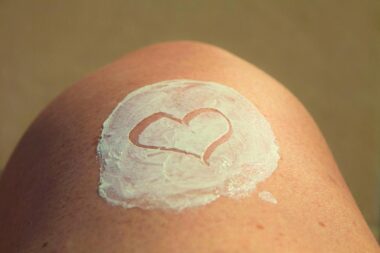
On hot days, our skin faces relentless sun exposure, which can lead to sunburn, damaging its upper layers. The skin is our first line of defense against UV radiation, and it becomes crucial to keep it healthy and hydrated. When our skin is well-hydrated, it better resists the drying effects of the sun, reducing the risks of peeling and burning. Adequate hydration aids in maintaining the skin’s elasticity and barrier function, making it less susceptible to irritation and damage. The connection between hydration and sunburn risk also extends to the body’s overall recovery post-exposure. Well-hydrated skin is more resilient and can recover more efficiently after sun exposure. To optimize the skin’s health while outdoors, especially in summer, consider integrating hydrating foods into your diet. Foods like cucumbers, watermelon, and oranges are excellent sources of hydration. Additionally, applying a good sunscreen is vital, ensuring you reapply it every couple of hours. Remember, drinking water is equally essential; set reminders to hydrate if you’re absorbed in activities outside, maintaining both skin and systemic hydration levels.
Understanding the Science Behind Hydration
Backed by scientific research, it is evident that dehydration significantly impacts cognitive and physical functions. The human body is composed of approximately 60% water, and this balance is vital for every physiological process. When faced with dehydration, heat regulation becomes more challenging, causing fatigue and decreased alertness. Studies suggest that even mild dehydration can impair cognitive performance, affecting decision-making, reaction time, and attention span. Individuals may not realize that they are dehydrated until they experience symptoms, which can include headaches and dizziness. This impairment is particularly concerning for those engaged in physical activities or working outdoors, making hydration awareness critical. To combat dehydration, experts recommend regular fluid intake, even if not thirsty. Sports drinks containing electrolytes can be beneficial in maintaining optimal hydration during extended exercise or exposure to heat. Delaying hydration can lead to a downward cycle, where the body struggles to function effectively. Thus, those partaking in outdoor activities should be proactive about their hydration levels, adjusting intake based on sweat loss and environmental conditions. Observing these practices can significantly reduce heat-related problems.
An often-overlooked factor in hydration and sun protection is the role of clothing. Light-colored and loose-fitting clothing promotes airflow and reduces sweat evaporation, which can facilitate cooling. Choosing clothes made from moisture-wicking materials can help keep your skin dry and comfortable in hot, humid environments. This clothing choice works in tandem with staying hydrated, ensuring your body can regulate temperature more efficiently. Protective clothing not only safeguards against UV rays but also encourages better hydration by reducing overheating. Research consistently indicates that skin protection is a crucial part of a comprehensive approach to heat risk management. Remember, while sunscreen is important, it does not substitute for the protection afforded by clothing; they should be viewed as complementary. Moreover, staying in shaded areas whenever possible, particularly during peak sun hours, enhances skin safety. Regular hydration should complement these protective measures, reinforcing your body’s defenses against heat-related injury. For outdoor enthusiasts, the focus should be on merging clothing, hydration, and shade to ensure optimal heat management. This trio of methods is particularly effective in environments with high temperatures and direct sun exposure.
Guidelines for Effective Hydration
To optimize hydration, established guidelines suggest certain routines. Firstly, drink water throughout the day, ensuring that you don’t wait until you feel thirsty. It’s advisable to consume water before, during, and after activities, aiming for at least 8-10 8-ounce glasses daily, or more based on physical exertion levels. Engaging individuals in physical activities should adjust their intake since sweat loss can be substantial, particularly in hot climates. A practical approach is to consume fluids regularly rather than in large quantities at once, allowing your body to absorb it effectively. Consider implementing a hydration schedule if participating in long outdoor events, reminding yourself to drink intermittently. Incorporate foods high in water content into your meals, which can assist in maintaining hydration levels and also providing essential nutrients. Fruits and vegetables—such as grapes, tomatoes, and celery—serve a dual purpose. Furthermore, enhance fluid intake by consuming soups or broths that can replenish lost fluids and salts. Be mindful that alcoholic beverages, caffeine, or sugary drinks may counteract hydration efforts and should be consumed judiciously. Regular self-assessment of hydration status can guide adjustments as needed.
Another effective way to combat dehydration is by monitoring urine color. Pale yellow signifies good hydration levels, whereas darker shades indicate dehydration. This simple visual cue can help gauge if you’re consuming adequate fluids. Creating a habit of checking urine color throughout the day can encourage better hydration practices. Coupling monitoring with other strategies, such as keeping a refillable water bottle accessible, promotes consistent fluid intake. Additionally, be mindful of environmental factors, as hot and humid conditions can accelerate dehydration rates, necessitating increased fluid intake. Children and older adults are particularly vulnerable to dehydration; therefore, special attention must be paid to their hydration needs in intense heat. Setting reminders can be beneficial for individuals busy with outdoor activities, ensuring they stay proactive about drinking fluids even when engrossed in other tasks. Also, pay attention to symptoms of dehydration, which can include dry mouth, fatigue, and dizziness. Recognizing these signs early allows for timely corrective action. Ultimately, knowledge of your hydration status, combined with environmental awareness, can significantly enhance your ability to function efficiently while reducing risks of heat-related illness and skin damage.
Conclusion: Staying Hydrated and Safe
In conclusion, understanding the interconnected roles of hydration and sun protection is vital for safeguarding health in hot weather. Proper hydration not only mitigates the risk of heatstroke but also supports skin health, lowering the chance of sunburn. As temperatures rise and outdoor activities increase, it is essential to prioritize fluid intake. Implementing simple hydration strategies, such as drinking water regularly and eating water-rich foods, can significantly enhance resilience against heat stress. Stay aware of the critical signs of dehydration and skin damage, as prevention is much more effective than treatment. Combining hydration practices with sun safety measures like effective clothing and sunscreen application creates a multi-faceted defense system against heat-related problems. Remember to adopt a proactive approach, adjusting fluid intake based on activity intensity and environmental conditions. This holistic approach towards hydration and sun protection can significantly enhance your well-being during warm weather. By being knowledgeable and vigilant, you can enjoy outdoor activities while minimizing health risks effectively. Ultimately, staying hydrated and taking protective measures will empower you to experience summer fun without compromising health. Regularly assess both hydration and skin protection for optimal summer enjoyment.
Finally, don’t forget that education plays a pivotal role in promoting awareness about hydration and heat protection. Sharing insights with friends, family, and community can ensure that more people understand the importance of staying hydrated, particularly in hot conditions. Organizing workshops or discussions about hydration strategies can reinforce knowledge and practices among diverse groups. Engaging in conversations can help dispel common myths related to hydration and sun exposure, fostering informed decisions that can lead to better health outcomes. In addition to educational initiatives, businesses and public spaces can contribute to hydration awareness by providing easily accessible water sources in parks and activity areas. The role of community initiatives in improving public health literacy cannot be understated. As more people prioritize hydration, there will be a collective enhancement in health and productivity across various sectors. As you explore the outdoors, maintain this collective effort towards hydration and protecting against the sun’s harmful rays. Stay engaged, educate yourself and others, and advocate for better hydration practices in your community. This awareness and collective effort can contribute to healthier lifestyles for everyone.