
Is It Safe to Do High-Intensity Workouts When Pregnant?
Pregnancy is a beautiful journey, but it also raises many questions regarding exercise, specifically high-intensity workouts. Expectant mothers often worry about the safety of engaging in vigorous activities. Understanding the effects of exercise during pregnancy is crucial. Nowadays, many healthcare providers encourage staying active. However, considerations for the type and intensity of workouts must be made. Generally, high-intensity workouts may not be suitable for everyone during pregnancy. Women who were active before pregnancy may continue moderate to vigorous activities. However, any changes should be discussed with a healthcare provider. Listening to your body becomes essential; any discomfort should prompt a reevaluation of your workout routine. Hydration and adequate nutrition support both the mother and the baby and are paramount during workouts. Moreover, modifications may be necessary as pregnancy progresses. Some exercises may require adjustment to accommodate a growing belly and changing balance. Activities like yoga and swimming are often recommended for maintaining fitness during pregnancy. Overall, each woman’s journey is unique, and tailoring exercise can yield benefits in health and wellness.
When considering if high-intensity workouts are safe, keep in mind some essential guidelines. Women should start by consulting their healthcare provider. Discussing individual health status and exercise history is vital. Also, certain conditions, such as hypertension or gestational diabetes, might necessitate a modified workout plan. Emphasizing comfort, it’s essential to listen to your body. Any signs of distress, such as dizziness, chest pain, or shortness of breath, are indicators to stop and seek medical advice. Additionally, some women are inexperienced with high-intensity workouts; thus, beginning a more moderate routine can mitigate risks. Understanding the body changes during pregnancy helps adjust expectations and maintain an exercise regimen effectively. Furthermore, joining prenatal fitness classes can provide invaluable support and guidance. These classes focus on techniques and exercises designed specifically for pregnant women, ensuring their safety and comfort. Properly transitioning to a less intense routine can allow for cardiovascular benefits without overwhelming the body. It’s important to strike a balance that promotes fitness while prioritizing both the mother’s and baby’s safety.
Benefits of High-Intensity Workouts in Pregnancy
Additionally, high-intensity workouts can offer numerous benefits for those who are able to engage safely. They can enhance strength, stamina, and overall fitness levels, which is crucial during pregnancy. Building strength eases some of the physical changes women experience, alleviating common pregnancy discomforts. Engaging in high-intensity workouts may also boost mood and energy, combatting feelings of fatigue that many expectant mothers encounter. Exercise releases endorphins, creating a sense of well-being and reducing anxiety. Moreover, a regular workout regimen assists in better sleep quality, another essential aspect of pregnancy health. Maintaining fitness levels during pregnancy has also been associated with easier labor and quicker postpartum recovery. In addition, staying active may reduce the risk of certain pregnancy complications. However, as every pregnancy is different, women should remain vigilant and prioritize individualized care. Seeking knowledge about safe exercises while pregnant empowers women to stay fit and healthy. Creating a balanced fitness plan tailored to personal preferences and medical advice works best overall.
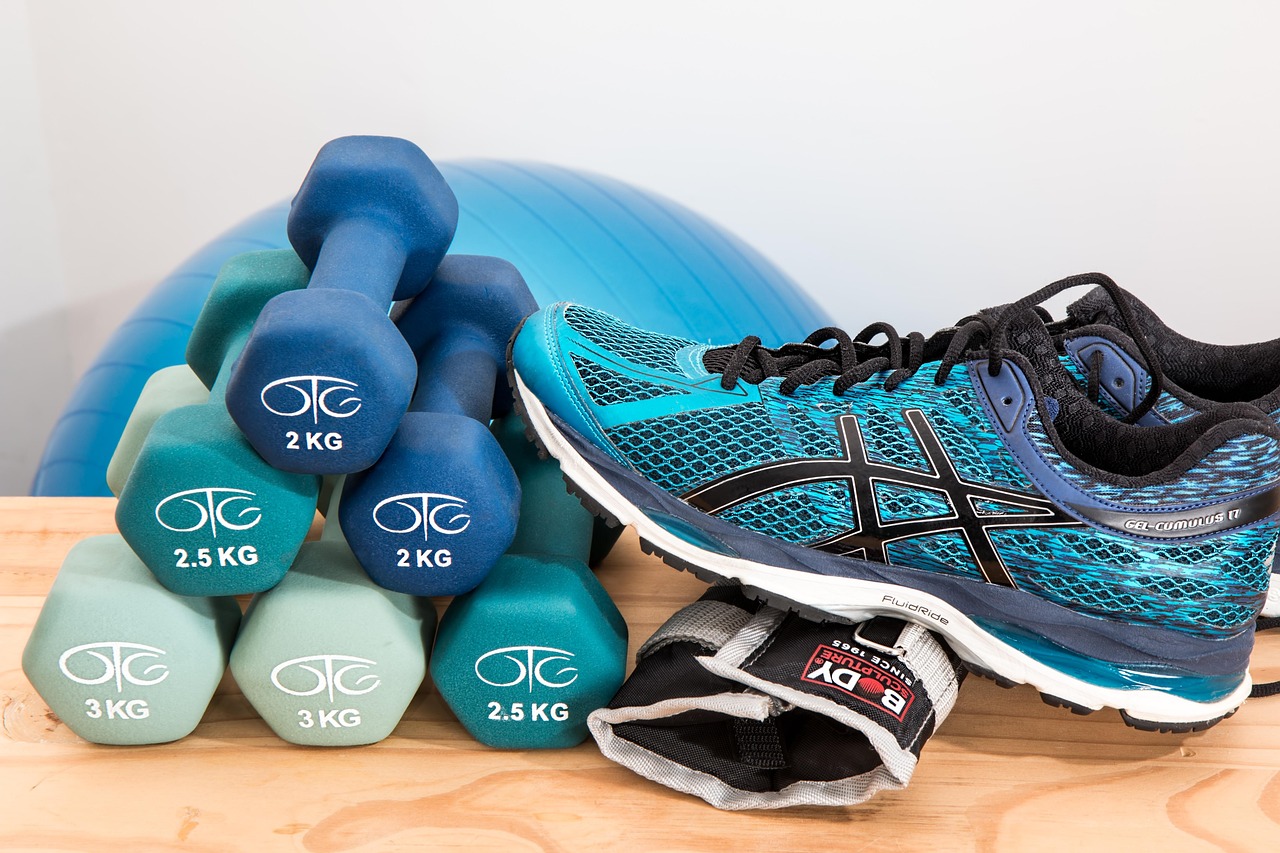
Nonetheless, there are specific workout modifications that pregnant women should consider. For instance, as pregnancy progresses, traditional high-impact exercises may not be ideal. Instead, alternative activities such as cycling or using an elliptical machine generally offer effective cardiovascular conditioning while being easier on the joints. It is important to adapt workouts according to physical changes, ensuring safety, particularly as the belly grows in size. Additionally, focusing on core stability and pelvic floor strength can also yield benefits. These areas are crucial for prenatal and postpartum support. Pregnant women can incorporate strength training, using lighter weights with higher repetitions. This approach maintains muscle tone without risking injury. Always remember to warm up and cool down properly to prevent muscle strain. Moreover, workouts should be fun and enjoyable—incorporating favorite music can enhance motivation. Engaging in partner workouts or group classes helps maintain accountability and provides social interaction, which may enhance the experience overall. Staying active during pregnancy can be an encouraging part of the journey, making modifications necessary as needs change.
Safe Practices for High-Intensity Workouts
There are various safe practices that women should adopt when engaging in high-intensity workouts while pregnant. Firstly, ensure that physical activity is suited to your pregnancy stage. Maintaining adequate hydration is crucial—drinking water before, during, and after workouts helps prevent dehydration. Gradually increasing workout intensity can allow the body to adjust to the demands without excessive strain. Additionally, invest in high-quality athletic shoes that support cushion and stability. Listen to your body, as fatigue may present earlier than before. Modifying exercise intensity and duration based on energy levels helps prevent over-exertion. Moreover, practicing good body mechanics, such as proper alignment during exercises, significantly reduces the risk of injury. To ensure balance and coordination, avoid explosive movements that may surprise the body. Consider using a mirror or practicing in front of a trainer to receive feedback on form. Lastly, remember to include breathing techniques; deep breathing aids relaxation and enhances stamina. By integrating these principles into high-intensity workouts, women can confidently engage in exercises while prioritizing safety.
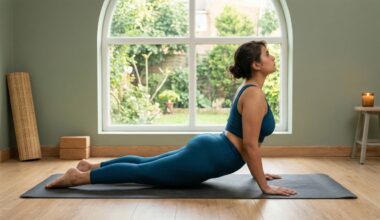
Additionally, many women may wonder what alternatives exist to high-intensity workouts during pregnancy. Some women may find low-impact aerobics, walking, and swimming to be optimal choices. These forms of exercise allow for emotional and physical well-being without the risks associated with high intensity. They offer cardiovascular benefits as well as muscle engagement, promoting overall fitness and comfort. Prenatal yoga and Pilates provide gentle stretching and strengthening, focusing on the support of the growing body. They can also help in alleviating back pain and reducing tension. Therefore, it’s essential to diversify your workout routine if traditional high-intensity exercises feel overwhelming. Every woman’s pregnancy journey is unique, and discovering enjoyable activities is vital. Consulting with fitness instructors specialized in prenatal fitness can guide women in making safe choices based on their fitness history. Strength training with lightweight equipment is another excellent way to maintain strength and fitness levels. Incorporating a mix of various low-impact exercises keeps workouts interesting while promoting adherence and progress. Ultimately, finding enjoyable activities leads to long-term success in maintaining a healthy pregnancy.
Conclusion: The Path to Safe Exercise
In conclusion, engaging in high-intensity workouts while pregnant can be safe, but it requires an individualized approach. Each woman’s body responds uniquely to pregnancy, and understanding these changes is key to making informed decisions. It’s critical to seek guidance from healthcare providers to ensure both safety and well-being for mother and baby. Remember that open communication ensures the best arrangement for physical activities. Therefore, adopting a flexible mindset and listening to one’s body play vital roles in defining a safe exercise routine. Women should assess their fitness levels, goals, and enjoyment of specific activities. Moreover, nurturing a supportive environment aids enthusiasm for remaining active. Family and friends can play a crucial role in encouraging continuous activity. Maintaining positive motivation is essential throughout the entire pregnancy journey, as it significantly impacts physical and emotional health. Ultimately, whatever decisions women make about exercising during pregnancy should always prioritize personal comfort and safety. As each journey is unique, flexibility and patience become vital components of this transformative experience.
By embracing a well-rounded approach to fitness during pregnancy, women can enjoy numerous physical and emotional benefits. They can stay active by respecting their bodies, consulting experts, and finding joy in movement. High-intensity workouts can be a part of this equation for some, but prioritizing safety remains paramount. Regardless of the exercise intensity, regular physical activity promotes well-being and supports the overall pregnancy experience with significant rewards. Juggling various factors—comfort, expertise, and individual progress—will ultimately lead to successful outcomes. In the end, the primary objective should always be personal health and happiness during this extraordinary time.