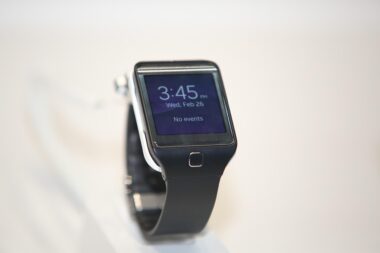

How to Use Wearable Devices to Monitor Women’s Heart Health
Women today are increasingly embracing technology, especially in the realm of fitness. Wearable fitness devices are revolutionizing how women approach their health by enabling them to monitor heart health effectively. These devices, such as smartwatches and fitness trackers, track vital statistics like heart rate, calories burned, and activity levels. The data collected can help women understand how their lifestyle affects their cardiovascular health. Regularly monitoring such metrics provides valuable insights between physical activity and heart functionality. By incorporating wearable devices into daily routines, women can stay informed about their heart’s performance. This proactive approach allows them to recognize patterns and make necessary adjustments to their fitness goals. Moreover, these devices often come equipped with features like reminders for workouts or prompts for hydration, encouraging a balanced lifestyle. Utilizing the statistics offered by wearable devices is paramount in achieving optimal heart health. Women must also engage with such technology to better their well-being continually. By committing to monitoring their heart health, women can take charge of their fitness journey in an informed manner, leading to improved long-term health outcomes.
Tracking heart rate variations during exercise is one of the key benefits of wearable fitness devices. With consistent usage, women can gather insights about their heart rate variability, a crucial indicator of cardiovascular health. Most wearables provide real-time heart rate readings, displaying how the body responds to various levels of physical intensity. This data aids women in tuning their fitness regimens and optimizing workouts. Understanding the difference between resting and active heart rates can also show how effectively the heart is functioning during exercises. Moreover, some devices have advanced algorithms that alert users to irregular heartbeats, signaling the need for medical consultation. By observing trends over time, women gain a clearer picture of their heart health status. Consistent heart rate monitoring leads to informed decisions regarding exercise types and intensities. These advances minimize the risks associated with over-exercising or under-exercising. Consequently, women should take advantage of every opportunity presented by modern technology. Adopting these wearable innovations fosters a more informed approach to fitness. In turn, this leads to improved cardiovascular health and better life quality through enhanced awareness and proactive management.
Wearable devices are also equipped with features that analyze sleep patterns, another vital component of heart health. Adequate restorative sleep is essential in maintaining a healthy heart and overall well-being. By recording sleep quality and duration, women can identify trends that affect their cardiovascular health. Certain wearables utilize sleep tracking technology to analyze how deep and restorative their sleep cycles are. Achieving better sleep hygiene through data-driven insights enhances heart health. Furthermore, inadequate sleep can significantly raise heart disease risks, so monitoring becomes crucial. Women can set sleep goals based on recommendations provided by their wearable devices. This individualized approach encourages better nighttime habits, improving sleeping patterns. Many wearables also feature relaxation prompts or guided breathing exercises that help users manage stress levels. Reducing stress, combined with improved sleep quality, directly influences women’s heart health positively. As a result, paying attention to both sleep and activity levels enables a comprehensive approach to wellness. Ultimately, a sound sleep pattern combined with heart monitoring leads to better lifestyle choices that reflect positively on health. Therefore, women should embrace these wearable devices as tools for holistic well-being.
Setting Fitness Goals with Wearable Technology
Establishing personal fitness goals is crucial for women aiming to improve heart health. Wearable fitness devices not only track progress but also motivate users through goal-setting features. Most devices allow users to set daily activity targets, such as steps taken or calories burned. By breaking down larger fitness objectives into smaller, manageable goals, women can experience a sense of accomplishment. Achieving these smaller milestones keeps motivation high, leading to more sustained efforts in fitness routines. Furthermore, getting real-time feedback on performance reinforces positive behaviors and paves the way for long-term success. Women should review their wearable stats regularly to adjust their targets and methods accordingly. Many devices encourage virtual challenges, empowering users to connect with friends for additional support. Social accountability encourages consistency and adds a fun dimension to workouts. Additionally, some wearables provide reminders for inactive periods to encourage more movement during the day. All these features foster a connected, engaged approach to fitness, benefiting heart health immensely. Embracing wearable technology facilitates a proactive lifestyle improvement, assisting women in crafting ambitious yet achievable fitness journeys for enhanced well-being.
Women’s health can significantly benefit from the connectivity provided by wearable devices. Many modern gym equipment syncs with these fitness devices, providing enriched tracking experiences. The ability to monitor and analyze heart rates in real-time during workouts makes it easier to optimize exercise routines. Additionally, some wearables allow users to compare their data with peers or fitness professionals, elevating motivation levels. This social connection fosters healthy competition that can spur commitment to fitness goals. Also, analyzing historical data shared with healthcare providers can guide further recommendations and assessments. Through continuous data exchange, women can better understand how specific workouts impact their heart health. Ultimately, improved communication between users and their healthcare professionals leads to more personalized health strategies that yield positive results. This integration empowers women by giving them the tools necessary to take charge of their heart health. They become active participants in their wellness journeys using technology and expert advice. As a whole, these devices provide substantial data, allowing women to tailor workouts to fit their unique needs based on their heart health.
As women prioritize heart health through technology, staying informed about advancements is critical. Wearable fitness devices continually evolve with upgraded features, expanding their role in health management. By researching the latest options, women can find the best devices suited to their needs. Designers of fitness wearables are increasingly focusing on women’s specific health requirements, including heart health. Therefore, selecting a device that offers tailored metrics and insights is essential. Advanced models have features like ECG readings and pulse oximeters, providing even deeper health indicators. Regularly upgrading devices ensures women access the best monitoring capabilities available. It’s essential to read reviews and compare functionalities to identify the right fit. Furthermore, many brands offer apps that supplement device capabilities, enhancing overall health-tracking experiences. Deepening the connection between wearable devices and engaging user-friendly apps leads to heightened outcomes. Women should explore these relationships to enhance their understanding of heart health. In the end, the goal remains clear: utilizing cutting-edge technology can ultimately lead to improved health management, making personal health monitoring easier and more efficient.
Staying Consistent with Wearable Technology
Consistency is essential when using wearable devices to monitor heart health. Women should develop a routine that incorporates the daily use of their devices and app technologies. This commitment helps in recognizing patterns and trends over time, reinforcing the relationship between fitness habits and heart health. Such practices also make tracking progress feel more manageable. In doing so, women create a supportive structure that encourages continual use of wearables. Formulating a consistent schedule around exercise, sleep, and monitoring metrics fosters a deeper understanding of personal health. Regular check-ins with statistics generated by wearables create a dialogue about how lifestyle changes affect heart health. Additionally, it’s beneficial to reflect on successes while identifying areas for improvement. Women should consider setting new objectives based on their wearables’ performance data. By embracing this continuous loop of feedback and insight, heart health monitoring becomes a more engaging and positive experience. Ultimately, persistence in using wearable technology underscores the overall importance of heart health and well-being. This heightened awareness will empower women to make actionable changes that support their fitness journeys, leading to healthier lives.
In conclusion, using wearable devices empowers women to take charge of their heart health effectively. By incorporating monitoring metrics into daily routines, they gain a comprehensive understanding of how their lifestyle choices affect cardiovascular well-being. Women can tailor workout routines with real-time heart monitoring, ensuring optimal performance levels. Moreover, tracking sleep patterns complements fitness efforts, enhancing heart health through improved recovery. Setting personal fitness goals fosters motivation while connecting with technology allows for deeper health insights. The continuous evolution of wearable devices means women can stay ahead of trends. By maintaining consistent tracking habits, they can leverage these devices to create lasting positive changes in physical health. As women increase awareness about their fitness, the opportunity to achieve holistic well-being emerges. This technological approach lays the foundation for healthier choices and lifestyle improvements, promoting heart health and preventing issues before they arise. Ultimately, investing in wearable technology represents a commitment to personal health management, contributing to longer and healthier lives. With these tools at their disposal, women can confidently navigate their fitness journeys, making informed decisions that lead to lifelong heart health benefits.