
Future Predictions: Where Wearable Performance Analytics is Heading
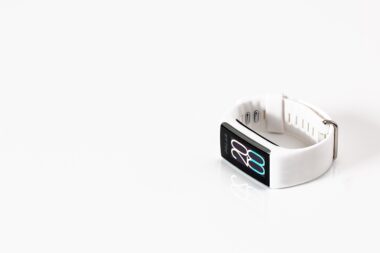
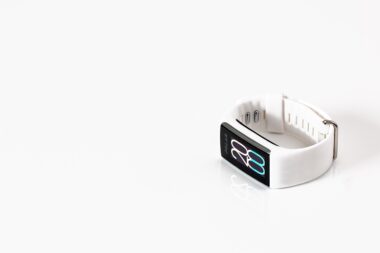
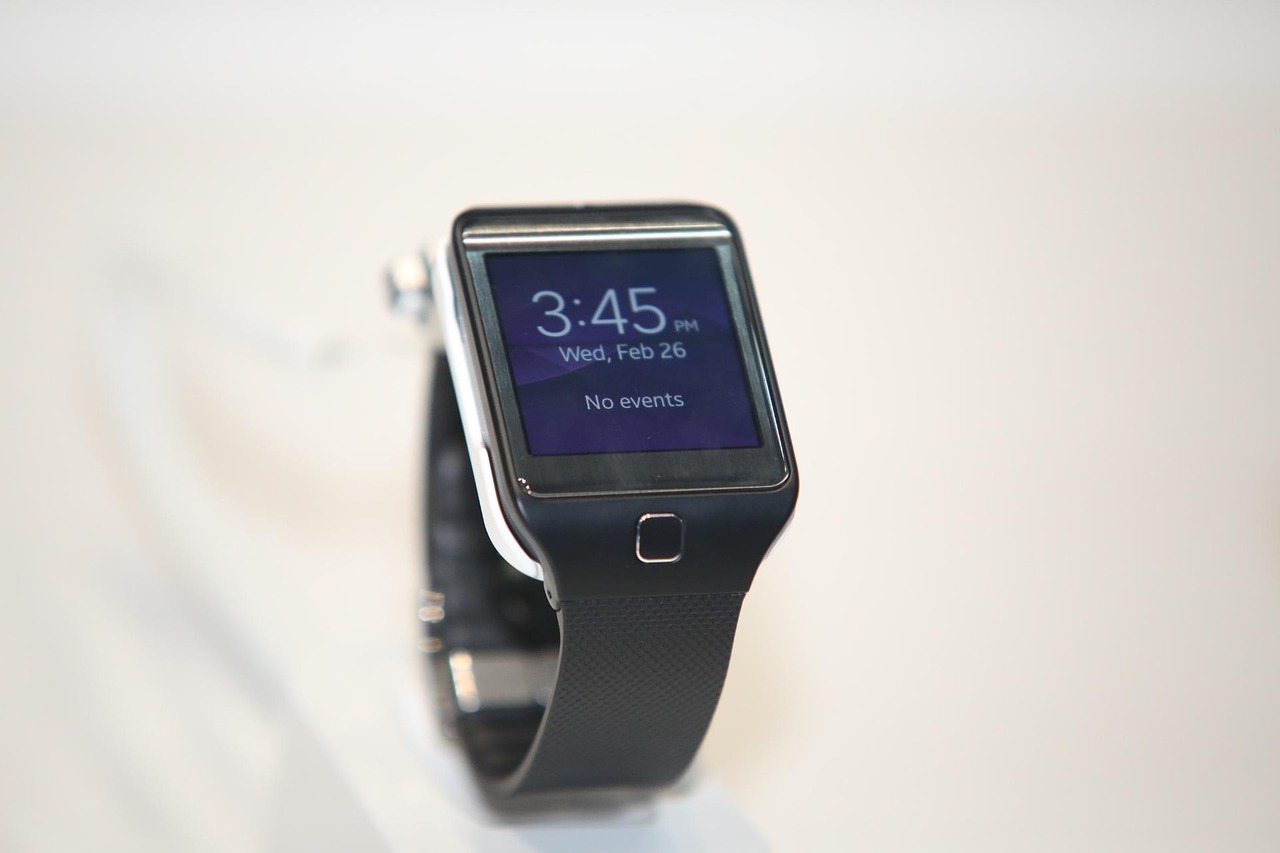
As the fitness industry continues to evolve, wearable performance analytics is increasingly becoming a crucial element in monitoring and enhancing athletic performance. These devices, including smartwatches and fitness trackers, not only provide real-time data but also utilize advanced algorithms to analyze performance trends over time. In the future, we anticipate a significant rise in the capabilities of these devices through enhanced technology, including artificial intelligence and machine learning. This will empower athletes of all levels to access personalized insights into their performance metrics. Moreover, integration with mobile apps will allow users to track progress more efficiently, set actionable goals, and receive adaptive training recommendations. Additionally, the data obtained from wearable technology could lead to the development of customized nutrition plans, further optimizing performance and recovery. Experts believe that as technology advances, so will the accuracy and usability of these devices. Ultimately, as more athletes and fitness enthusiasts adopt wearables, we can expect a data-driven approach to personal fitness coaching to flourish and become an industry standard, elevating overall performance in competitive sports.
The integration of wearables in fitness training significantly impacts user engagement and accountability. Devices equipped with performance analytics have revolutionized how individuals track their workouts and daily activities, pushing them to achieve their fitness goals. Many people are now motivated by seeing their real-time statistics, which can create healthy competition and a sense of community among users. Furthermore, social features embedded in applications connected to wearables allow users to share their achievements. Building communities around health and fitness success stories can foster motivation and make the journey enjoyable. Moreover, businesses that manufacture these devices are focusing on user-friendly interfaces and engaging apps that provide gamified experiences. Gamification elements, such as badges, rewards, and competitions, enhance users’ experiences, making fitness more appealing. Moreover, wearable technology has expanded to include health monitoring features, such as heart rate variability and sleep pattern analysis, providing a wholistic approach toward personal wellness. As this trend continues, expected innovations include advanced sensor technology and improved data visualization techniques that enhance each user’s experience to support their fitness journey seamlessly.
Technological Advances and Their Impact
The rise of biotechnology in wearable performance analytics is poised to redefine the future. With the advent of more sophisticated sensor technology, wearables can measure various physiological metrics with incredible accuracy. This innovation will not only improve the quality of data collected but also enable a deeper understanding of an athlete’s unique physiology and response patterns. Through reduced costs and miniaturization of sensors, we expect more affordable devices that cater to a broader audience. Additionally, the integration of blockchain technology may enhance the security and privacy of personal health data, giving users peace of mind regarding data ownership. This can build trust in wearables, encouraging more people to adopt them for fitness tracking. As more data is collected from users, machine learning algorithms will become smarter, providing increasingly tailored insights. These developments will also lead to breakthroughs in predictive analytics, where wearables can anticipate potential injuries or health issues before they arise. By mitigating risks through early detection, athletes can enhance their performance while maintaining their health more effectively.
Another exciting future trend to watch is the incorporation of augmented reality (AR) and virtual reality (VR) into performance analytics. As wearables become more advanced, the fusion of data with AR and VR technologies could create immersive training experiences. Imagine wearing AR glasses that overlay performance metrics directly in the athlete’s field of vision while they train. This merging of technology and real-world performance offers an engaging way to evaluate technique, form, and efficiency. It could also provide real-time feedback, allowing athletes to make adjustments during workouts rather than waiting for post-analysis. Furthermore, VR could revolutionize both training and rehabilitation approaches, providing realistic simulations for athletes to practice in varied conditions without physical constraints. Such innovations may help foster creativity and build confidence as athletes train. Companies globally are already investing in AR and VR technologies, signifying a significant movement within the fitness industry. Overall, the anticipated integration of these technologies heralds a new era in sports science, where wearables provide an unparalleled training support system through dynamic insights and immersive learning experiences.
The Role of Artificial Intelligence
Artificial intelligence (AI) is anticipated to play a pivotal role in the evolution of wearable performance analytics. By processing immense amounts of data from various sensors, AI can uncover patterns and correlations that human trainers may overlook, leading to groundbreaking insights. Personalized training programs powered by AI can adjust in real time according to an individual’s performance and recovery, making fitness management more dynamic. Imagine a wearable that not only tracks your heart rate and calorie burn but also learns from your routines, adapting your training schedule according to your capabilities and fatigue levels. Such advancements would optimize performance while helping to prevent overtraining and injury. Additionally, wearers could engage with virtual coaches that utilize AI to simulate real training sessions, enhancing motivation levels and compliance. AI will also enable companies to create content that resonates better with users, aligning with their preferences and behaviors. Consequently, fitness brands should consider investing in AI-driven solutions to enhance their product offerings and stay relevant in a rapidly evolving market, ensuring they meet users’ demands for personalized experiences.
Wearable performance analytics will increasingly emphasize holistic health, going beyond physical metrics to integrate mental and emotional indicators. Mental resilience plays a critical role in athletic performance; thus, devices that factor in stress levels, mood tracking, and even mindfulness components will be crucial as the industry progresses. By leveraging psychology alongside traditional performance metrics, wearables can provide a comprehensive view of an athlete’s readiness and well-being. This integration of soft metrics will help athletes find balance, fostering a healthier approach toward training and competition. Emerging platforms may offer daily insights regarding not just physical, but also mental recovery, thus supporting athletes in achieving optimal performance. Furthermore, with the ongoing push towards mental health awareness, incorporating these features will be increasingly vital for fitness brands aiming to connect with consumers authentically. Consumers are looking to invest in products that prioritize their overall health profile. The data gleaned from emotional rather than just physical states could guide more personalized coaching experiences and foster stronger user relationships with their wearables. This shift will undoubtedly enhance the user experience in the coming years.
Market Expansion and Future Opportunities
The future of wearable performance analytics in the fitness market is projected to be expansive and filled with innovative opportunities. As consumer interest in health products grows, we anticipate a surge in investment across the sector, attracting startups and established organizations alike. This competition will drive faster technological advancements, leading to richer and more diverse feature sets in wearable devices. Innovations in battery technology will enhance wearables’ longevity, allowing for more sustained use without requiring constant recharges. Furthermore, emerging partnerships between technology companies and fitness brands can foster creative solutions that push boundaries. This collaboration can translate to cross-platform functionalities, enabling wearables to connect more seamlessly with various fitness apps and systems. Additionally, the potential rise in subscription-based models for wearable services could create a new revenue stream, enabling continuous user engagement while providing enhanced analytics. These models could offer personalized coaching and insights, making ongoing improvements in user performance achievable. Ultimately, we can expect the wearable fitness analytics market to grow and adapt, providing critical support to athletes and enthusiasts seeking to improve their health and fitness journeys.
In conclusion, as we look ahead at the trends surrounding wearable performance analytics, it is clear that major advancements in technology and data integration will reshape the fitness landscape. Personalization will be central to this evolution, leading to customized training programs and user experiences that cater to individual needs. With innovations in AI, AR, and holistic health monitoring, wearables will become indispensable tools for athletes, fitness enthusiasts, and health-conscious individuals alike. Moreover, the growing emphasis on mental health, combined with data that supports well-being, will solidify the role of wearables as comprehensive health managers. As this industry landscape evolves, companies that adapt to these changes while prioritizing user experience will emerge as leaders, providing valuable solutions and insights. With an ever-increasing focus on performance optimization and overall wellness, the wearable fitness market’s future is ripe with opportunities. By anticipating and embracing these trends, both consumers and brands will benefit from enhanced training experiences and improved health outcomes. Ultimately, wearable performance analytics is not just a trend; it is a transformative approach to achieving fitness goals in our modern age.