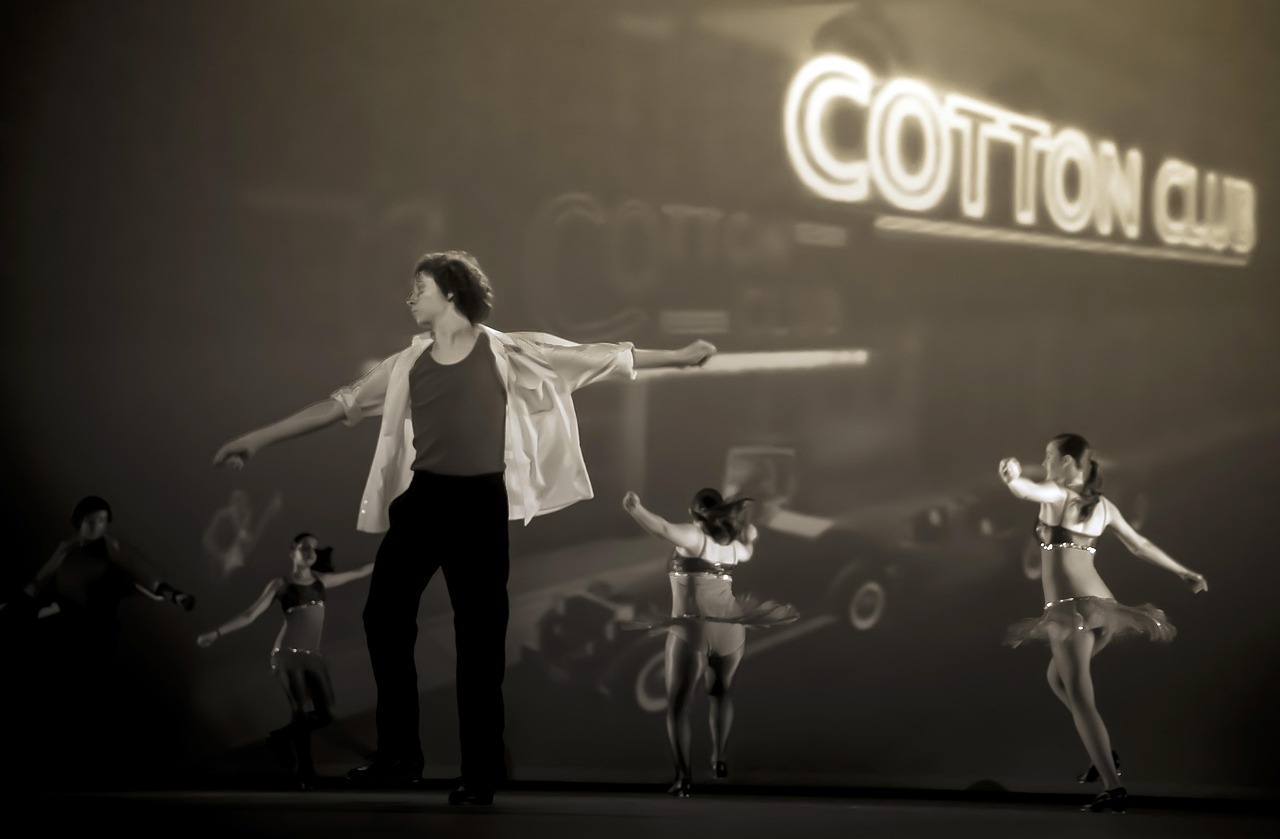

Enhance Flexibility and Strength through Jazz Dance
Jazz dance workouts are a dynamic way to improve both flexibility and strength, catering to various fitness levels. Engaging in these workouts allows individuals to experience the joy of movement, combined with the rhythm and energy of jazz music. When you dance, every movement works your muscles, enhancing core strength, leg power, and overall body control. The integration of graceful moves helps stretch and elongate muscles, increasing flexibility over time. For beginners, starting with simple jazz steps can lead to significant performance improvements. As you progress, incorporating more complex routines can challenge your body further and increase your fitness capabilities. Consistency becomes key in building both strength and flexibility levels. Many participants report feeling an increase in energy and a boost in self-confidence as they master new dance routines. Jazz dance is not just exercise; it is an enjoyable experience that combines both physical and emotional well-being. This holistic training approach captures the essence of jazz while maximizing fitness benefits. With every beat and motion, you enhance not only your body but also your spirit through the vibrant world of dance.
The Benefits of Jazz Dance Workouts
Adopting jazz dance workouts offers numerous benefits that extend beyond mere physical fitness. Firstly, engaging in these workouts contributes to cardiovascular health as the body rhythmically moves, elevating the heart rate and enhancing circulation. Regular sessions lead to improved stamina, allowing dancers to engage in physical activities for extended periods without fatigue. Furthermore, jazz dance workouts promote coordination and balance, essential skills that can translate into daily activities. As individuals progress through various routines, they develop better spatial awareness and timing, vital components for mastering complex dance sequences. It connects the mind and body, facilitating an expression of creativity through movement. Strengthening muscles plays a pivotal role in injury prevention for individuals of all ages. Jazz dancing builds lean muscle while allowing for adequate muscle recovery. The social aspect of dance should not be overlooked, as classes foster community and encourage camaraderie among participants. The joy of sharing the dance floor enhances motivation and accountability, helping individuals stick to their fitness goals. With the vibrant culture surrounding jazz, practitioners can cultivate a sense of belonging while prioritizing their health.
Jazz Dance Techniques
Techniques used in jazz dance are diverse and can vary widely, offering something for everyone. Mastering foundational moves such as jazz walks, kicks, and turns is essential for beginners. As participants gain confidence, they can explore more advanced steps like pirouettes and jazz squares, enhancing their choreography repertoire. Improvisation is a significant element of jazz dance, allowing individuals to express their personalities and creativity freely. This spontaneity can foster self-expression, helping to alleviate stress and anxiety. Jazz dance emphasizes strong, sharp movements interspersed with fluidity, depicting the contrast inherent in jazz music itself. Dancers often combine various styles, including ballet and hip-hop, to create hybrid routines that showcase versatility. The focus on body alignment and posture enhances overall body awareness, which is crucial in all dance styles. To cultivate a well-rounded skill set, participants should consider dedicating time to practice each move systematically. Regular feedback from experienced instructors can guide progression and improve technique. Finally, recording your practice sessions can provide personal insights into techniques and progress over time, adding another dimension to the learning experience.
Jazz dance workouts not only improve physical fitness but also foster camaraderie among participants. Group classes encourage social interactions and often create a supportive atmosphere, where individuals motivate each other to succeed. The shared enthusiasm for jazz helps build friendships and boosts self-esteem as everyone celebrates individual progress. Moreover, dance studios may host events and performances, showcasing the skills developed through dedicated practice. Such opportunities allow dancers to experience the thrill of performing on stage, enhancing their self-confidence and performance skills. Participating in group challenges or workshops also fosters a sense of community, which is both encouraging and rewarding. This social bond can ignite a passion for dance that extends beyond the studio, as participants often share their experiences with family and friends. By intertwining fitness with social engagement, jazz dance workouts contribute positively to mental well-being, reducing feelings of isolation or stress. Regularly attending classes creates a routine that can significantly enhance physical fitness and emotional health. Living a life full of vibrant movement keeps individuals engaged and motivated, ensuring long-term commitment to their dance journey.
Jazz Dance for All Ages
Incorporating jazz dance workouts into a fitness routine can benefit individuals of all ages. For children, these classes enhance motor skills and boost confidence through the world of expressive movement. Engaging kids in dance can foster a love for physical activity early on, promoting a healthy lifestyle. Teenagers often find jazz dance to be an appealing way to remain active while also socializing with peers. The upbeat music and dynamic moves resonate well with youth, making workouts feel less like chore and more like fun. Adults can also reap significant benefits; jazz dance workouts offer an excellent opportunity for stress relief while improving cardiovascular health. Many find joy in reconnecting with their love for dance, often providing a therapeutic outlet. Seniors can enjoy modified jazz dance workouts designed to accommodate their fitness levels, focusing on balance and flexibility. This inclusive approach fosters active aging and combats sedentary habits. Ultimately, jazz dance facilitates intergenerational bonding as families dance together, creating lasting memories. By embracing jazz dance workouts, everyone can enjoy a pathway to health and happiness through movement.
Setting Goals in Dance Fitness
Setting goals is essential to achieving desired outcomes in jazz dance workouts. Before starting, individuals should determine their fitness objectives, considering factors such as flexibility, strength, and overall enjoyment. Whether aiming for improved flexibility in splits or increased endurance during routines, clearly defined goals can guide practice sessions. Establishing short-term and long-term goals provides a structure for progress measurement. Simple short-term objectives might include mastering a new step, whereas long-term goals might focus on preparing for a performance or dance competition. Keeping a journal to track milestones can offer insights into improvement over time, allowing for reflection on the journey. Ensuring goals are realistic and attainable will foster motivation and confidence as progress is made. Regular self-assessment and feedback from instructors can help guide the learning process and identify areas needing improvement. Joining dance communities can provide additional support and accountability, strengthening the commitment to fitness objectives. Finally, celebrating achievements, no matter how small, can keep enthusiasm high, encouraging continued participation. Setting goals in dance fitness transforms the journey into a rewarding experience filled with growth and accomplishment.
Jazz dance workouts can complement other fitness endeavors by enhancing overall physical performance. For those engaged in sports or other physical activities, incorporating jazz dance into regular routines can lead to improved agility, coordination, and strength. The unique footwork and kinetic energy involved help develop faster reflexes, beneficial in various athletic pursuits. Dancers learn to manage body weight effectively and utilize their core, both of which contribute to better overall synergy in movements. Additionally, the rhythm-based nature of jazz often translates into improved timing and coordination beneficial in any scoring situation, such as in gymnastics or swimming. Individuals may notice enhanced creativity in movement, making their athletic skills more diverse. The synchronization of music and movement also fosters a deeper connection to rhythm, vital for performance in any discipline. Jazz dance can serve not just as an entertaining way to exercise but also as a formidable means of enhancing athletic prowess. By adding this dynamic art form to one’s fitness regime, individuals can truly experience a more balanced, creative, and healthy approach to their physical well-being.