
Effective Warm-Up and Cool-Down Routines for Women’s Workouts
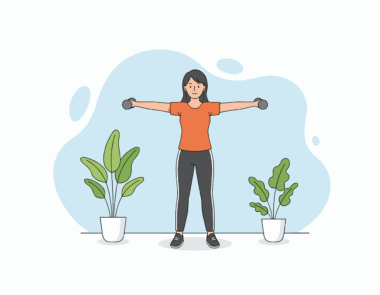
Warming up before a workout is an essential practice, especially for women who engage in fitness challenges or programs. A proper warm-up helps prepare the body for intense physical activity. It increases blood flow to muscles, enhancing flexibility while preventing injuries. A warm-up routine can include dynamic stretching and cardiovascular activities. Examples might be light jogging, jumping jacks, or arm circles. The primary purpose is to gradually elevate the heart rate and prepare muscles for exertion. Consistently integrating warm-up routines can significantly improve your workout performance. For women specifically, warm-up routines can be tailored to target specific areas of concern such as hips, legs, and core. Moreover, educating oneself on effective techniques can provide a deeper understanding of the body’s needs during physical activity. Attending classes or seeking advice from fitness professionals can ensure routines are executed correctly. Always remember to listen to your body, modifying warm-ups as needed. If an exercise feels uncomfortable, don’t hesitate to adjust your approach. A well-executed warm-up can set the tone for a successful workout session, making it an integral component of any fitness regime.
The Importance of Cool-Downs in Women’s Fitness
Just as warming up is crucial, cooling down is equally important in women’s fitness routines. After an intense workout, cooling down helps the body transition back to its resting state. This process allows the heart rate and blood pressure to return to normal gradually, minimizing the risk of dizziness or fainting which can occur after strenuous activities. A proper cool-down should be gentle and involve stretching exercises focused on the major muscle groups worked during the session. Incorporating activities like deep breathing exercises can also be beneficial in promoting relaxation. Stretching post-workout helps maintain flexibility and can alleviate muscle soreness. Studies show that effective cool-down routines can enhance recovery and reduce the risk of injuries over time. By taking 5-10 minutes to cool down, women can support better overall fitness outcomes. This routine is especially important for those engaging in endurance activities like running or cycling. Keeping a balanced approach to fitness that includes both warm-ups and cool-downs can lead to greater long-term success. Always remember that investing time in these routines adds value to your overall workout strategy.
In addition to basic warm-up and cool-down routines, consider incorporating specific exercises focusing on mobility and flexibility. Mobility work such as hip openers can enhance performance for many women, especially in lower-body workouts. Hip mobility is often a common issue, and targeted exercises can gently prepare these joints for movement. Additionally, flexibility exercises, like static stretches post-workout, can improve recovery. It’s vital to focus on stretching muscles that feel tight after your workout session. A routine that blends mobility and flexibility training can lead to significant improvements in workouts. To add variety, consider yoga or Pilates as beneficial cross-training options. Both practices focus significantly on enhancing flexibility and mobility, which can translate into improved workout performance. Engaging in these disciplines even once a week can yield substantial gains. Online resources and local classes can help you explore these routines. Investing in these areas can create a more holistic approach to fitness that benefits your body and mind. Women should aim for a balanced routine that incorporates various fitness components for maximum effectiveness in their fitness journeys.
Tips for Personalized Warm-Up Routines
Creating personalized warm-up routines tailored to individual needs can optimize workout effectiveness. Start by considering your fitness goals, be they building strength, endurance, or flexibility. Incorporating specific movements relevant to your planned workout can be invaluable. For instance, if strength training is on the agenda, include exercises that activate the targeted muscle groups. For example, you might perform bodyweight squats or resistance band exercises to engage your legs and core effectively. It’s important to spend time on areas that often feel stiff or weak. Women often face unique challenges in fitness, be it hormonal influences or differing experiences with specific types of sport. Listening to your body is crucial; adjust your routine based on what feels best at the moment. Additionally, it may help to track your progress and how certain warm-ups impact your workouts. Over time, this data can guide adjustments in your routines, promoting continual growth and improvement in your training efforts. Engaging with a community or a fitness coach for personalized advice can also lead to effective warm-ups that work best for your body type.
As part of an effective warm-up routine, consider the sequence of exercises performed before workouts. A systematic approach can help maximize benefits. It’s often recommended to start with general aerobic activity before transitioning into dynamic stretches. The initial aerobic component can be followed by leg swings, torso twists, or lunges with a twist. These dynamic movements help mimic activities involved in your workout. Additionally, you may also wish to use resistance bands for light activation of muscle groups. This approach prepares the body for the specific demands it will face during the main workout. Are you engaging in cardio today? Include movements that use your upper body along with lower body ones, ensuring comprehensive activation. Warm-ups like this not only get your body moving but also mentally prepare you for the upcoming challenge. It signals to your mind that it’s time to shift gears from everyday life to workout focus. The warm-up also serves as a time to set workout intentions, fostering a mindful approach towards wellness. By concentrating on how you feel, you can enhance both physical and mental performance.
Progressive Cool-Down Techniques
Progressive cool-down techniques can enhance recovery and prevent post-workout complications. After a challenging routine, it’s beneficial to transition through various levels of recovery. Start with light aerobic activities, like walking or cycling at a slower pace for several minutes. This allows your heart rate to gradually decrease. Following this, transition into static stretching to elongate muscles worked during the session. Focus on areas that tend to feel tight, holding stretches for 20-30 seconds per major muscle group. Consider implementing breathing techniques during this phase to enhance relaxation. Practices such as diaphragmatic breathing can be very effective. Engaging in mindful breathing can also aid in stress relief post-exercise. The combination of movement with passive stretching encourages blood flow to the muscles, assisting in the recovery process. Incorporating foam rolling or massage techniques post-workout can also be an effective way to enhance muscle recovery. Both techniques address muscle tightness and promote recovery through effective myofascial release. By embracing a routine that balances mindfulness with physical recovery, women can enhance their fitness progress and overall well-being.
To maximize the benefits of warm-up and cool-down routines, staying hydrated and nourished is essential. Proper hydration supports both peak performance during workouts and optimal recovery afterward. Drinking enough water before exercising can improve endurance and decrease fatigue. Additionally, consider integrating nutritious snacks post-workout to replenish the body. Proper nutrition aids in muscle recovery and helps maintain energy levels. Incorporate foods rich in proteins, vitamins, and minerals to support muscle repair and overall health. For women, focusing on calcium and iron-rich foods can be particularly imperative, aiding in preventing deficiencies. Balance in diet is key; aim for a mix of carbohydrates, proteins, and healthy fats to fuel the body optimally. Creating a small meal plan might help ensure nutritional needs are met consistently. Remember to listen to your body; if you feel fatigued or lethargic, consider assessing your hydration and dietary habits. Prioritizing systematic warm-up and cool-down routines, combined with hydration and nutrition, helps create a solid foundation for fitness success. Overall, these strategies are essential for optimizing women’s fitness challenges and programs, ensuring long-term health and wellness.
Conclusion on Women’s Fitness Practices
In conclusion, effective warm-up and cool-down routines are vital components of successful women’s workouts. Incorporating these practices can significantly enhance performance and reduce the risk of injuries. Tailoring the routines to suit specific needs and fitness goals can lead to individualized success. This approach ensures women can engage fully in their fitness challenges, fostering empowerment through movement. Moreover, education about bodily needs plays a crucial role in optimizing routines and understanding how to warm up and cool down efficiently. Continually engaging in progressive techniques that promote recovery will yield long-term benefits. Additionally, being mindful about nutrition and hydration supplements could enhance workout impact. As we strive for fitness objectives, remembering the importance of these routines can transform women’s workouts. By embracing a holistic approach that integrates warm-up and cool-down practices with nutrition and hydration, women can elevate their fitness journeys. Overall, this creates a balanced strategy that promotes sustainability, enjoyment, and optimal well-being in fitness practices. We encourage women to prioritize warm-ups and cool-downs in their fitness regimes moving forward, as they lay crucial groundwork for meaningful improvement.