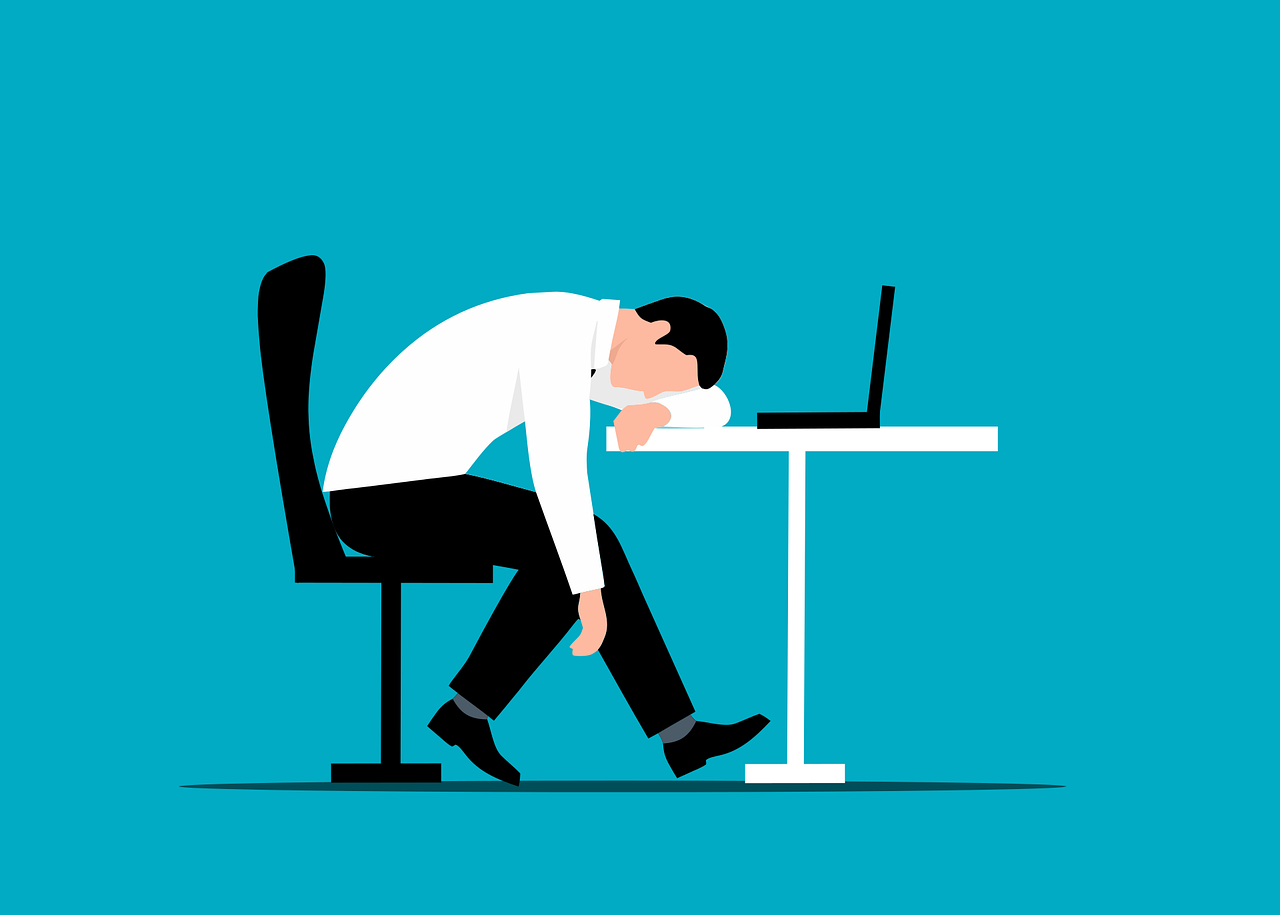

The Impact of Stress on Sleep Quality: What You Need to Know
Sleep is crucial for our overall well-being, yet stress can severely disrupt this vital process. Many individuals experience what is known as stress-induced insomnia, where anxious thoughts hinder their ability to fall asleep. Understanding the relationship between stress and sleep is vital for developing effective management strategies. Stress can elevate cortisol levels, a hormone responsible for our fight-or-flight response. This hormonal spike can lead to restlessness and frequent awakenings during the night. Furthermore, coping with stressful situations often encourages negative thought patterns, making it difficult to relax. This cycle exacerbates sleep issues, leading to chronic fatigue and impacting daily life. Studies have demonstrated that individuals suffering from high-stress levels report poorer sleep quality. Moreover, a lack of restful sleep can heighten stress levels further, creating a vicious cycle. Addressing stress not only improves sleep quality but also enhances overall life satisfaction. By employing stress reduction techniques, one can break free from this cycle and cultivate healthier sleep patterns. Simple practices such as mindfulness, regular exercise, and deep breathing techniques can be beneficial in managing daily stress.
Understanding Sleep Architecture
Sleep architecture refers to the structure and pattern of sleep cycles we experience throughout the night. Typically, the sleep cycle consists of various stages, including REM and non-REM sleep. Stress often disrupts these cycles, leading to lighter sleep and increase in wakefulness. During stressful periods, individuals are more likely to spend less time in the restorative stages of sleep. Non-REM sleep, particularly stages 3 and 4, is critical for physical recovery and cognitive function. When stress affects these stages, cognitive impairment can manifest in daily tasks. Research indicates that stress can lead to fragmented sleep, whereby individuals wake up multiple times during the night. Quality sleep is essential for emotional regulation, memory consolidation, and immune function. Consequently, individuals suffering from stress often find it difficult to manage their emotions effectively. Furthermore, poor sleep quality can exacerbate symptoms of anxiety and depression, leading to potential mental health conditions. Prioritizing consistent sleep hygiene can help mitigate these effects. Establishing a calming bedtime routine may aid in promoting deeper, restorative sleep. It is essential to recognize the importance of sleep architecture in combating stress-related sleep issues.
Stress can significantly influence our health, impacting various aspects of our lives, including sleep. High stress can generate increased heart rates and tense muscles, leading to a state of physical discomfort that hampers sleep. People under pressure may experience racing thoughts and an inability to disconnect from their worries, thus making it harder to enter the peaceful state needed for quality sleep. Addressing sleep interruptions caused by stress is essential; otherwise, the situation may worsen over time. Sleep deprivation can create a vicious cycle where stress leads to poor sleep, and poor sleep exacerbates stress. Experts recommend identifying individual stressors and implementing techniques to address them effectively. Journaling, talking to supportive friends or professionals, and practicing relaxation exercises may help in managing day-to-day stress. Additionally, regulation of daily habits can be influential. Maintaining a consistent sleep schedule and creating a comfortable sleep environment are critical steps. Engaging in calming activities such as reading or meditating can also help signal to the body that it’s time to wind down. Seeking solutions for stress management can incredibly uplift overall health and improve sleep quality.
Techniques for Stress Management
Implementing effective stress management techniques is essential for promoting better sleep. Various methods can be incorporated into daily routines, including mindfulness practices, physical activity, and relaxation techniques. Mindfulness meditation encourages individuals to focus on their breath while observing their thoughts in a non-judgmental manner. This practice can significantly reduce anxiety and foster a calm mindset before sleeping. Regular physical activity, such as walking, jogging, or yoga, also enables the body to release endorphins, alleviating stress and promoting better sleep. Furthermore, focusing on breathing exercises can stimulate the parasympathetic nervous system, which helps to relax the body and lower heart rates. Progressive muscle relaxation is another effective strategy where individuals tense and then relax different muscle groups, signaling the body to release stress. Journaling can also be advantageous, allowing individuals to express their worries and gain perspective. Establishing a bedtime routine may involve turning off electronic devices, dimming lights, and creating a peaceful environment, which is conducive to restful sleep. Adequate focus on these techniques can yield a significant positive impact on sleep quality.
The relationship between stress and sleep is complex, but understanding it is crucial for improving quality of life. Poor sleep due to stress can lead to fatigue, decreased productivity, and a diminished ability to cope with daily challenges. It’s essential to recognize early signs of sleep disruption, such as difficulty falling asleep or frequent awakenings. Identifying triggers is the first step in addressing the relationship between stress and sleep quality. Keeping a sleep diary can be helpful for tracking patterns and uncovering specific stressors affecting sleep. Individuals should also explore various lifestyle changes that promote a more restful night. Consuming a balanced diet, limiting caffeine intake, and avoiding heavy meals before bedtime can significantly enhance sleep quality. Furthermore, maintaining social connections is critical. Engaging in conversations with friends or loved ones can provide emotional support and help alleviate feelings of stress. Professional help may be needed if stress significantly affects sleep quality. Cognitive Behavioral Therapy (CBT) has proven effective for stress management and insomnia. Seeking guidance from a mental health professional can lead to developing healthier coping mechanisms, ultimately improving sleep.
Conclusion: Striving for Better Sleep
Recognizing the impact of stress on sleep quality is crucial for anyone seeking to improve overall well-being. Implementing effective stress management techniques not only enhances sleep quality but also fosters a healthier mental state. It is essential to develop personalized strategies that cater to individual needs, paying attention to both emotional and physical aspects of stress. Seeking balance in life can involve engaging in fulfilling activities outside of work, pursuing hobbies, and spending time with loved ones. Those struggling with stress and sleep issues should also consider mindfulness practices, such as yoga, which can promote physical relaxation and mental clarity. Creating a nurturing sleep environment is equally vital; comfortable bedding, a cool room temperature, and minimized noise can also create better conditions for sleep. Furthermore, individuals may benefit from setting aside time for self-care and relaxation. Prioritizing sleep hygiene and adopting positive lifestyle practices can yield long-term benefits that contribute significantly to overall health. In conclusion, managing stress effectively is beneficial not only for sleep but also for achieving a balanced, fulfilling life.
Ultimately, addressing stress and its detrimental impact on sleep is essential for a healthier future. Individuals must recognize the importance of prioritizing sleep and actively fight against stressors affecting their quality of life. Techniques for managing stress should be tailored to fit personal preferences and lifestyles, ensuring a more effective outcome. By doing so, individuals can work towards establishing a consistent and restorative sleep pattern. Regular self-assessment regarding stress levels and sleep quality can provide necessary insights into personal wellbeing. Those who notice persistent sleep issues stemming from stress should consult with healthcare professionals for strategies tailored to their unique situations. Education on the interplay between sleep and stress can empower individuals to take charge of their health. Understanding how to properly manage stress creatively and effectively allows for improved sleep quality, making each night a chance for recovery and relaxation. Awareness and active management can dissolve the cycle of stress affecting sleep. With commitment and perseverance, achieving restful sleep is attainable, positively impacting overall mental and physical well-being in the long run.