
The Connection Between Hydration, Fatigue, and Injury Risk
Hydration plays a vital role in maintaining optimal performance and minimizing injury risk. When we engage in athletic activities, our bodies lose water through sweat and respiration, which can lead to dehydration if not adequately managed. Dehydration can significantly affect both cognitive and physical functions, resulting in increased fatigue and decreased coordination. Maintaining proper hydration levels is essential for athletes of all levels, as it not only helps to regulate body temperature but also supports various physiological processes that are critical during exercise. Furthermore, inadequate hydration may lead to muscle cramps, heat-related illnesses, and potentially serious injuries. Athletes should be proactive in monitoring their fluid intake, especially before, during, and after intense workouts. One useful method is to weigh oneself before and after exercising to determine fluid loss. Moreover, consuming electrolyte-rich beverages can also aid in replenishing lost minerals and maintaining optimum hydration levels. Therefore, making hydration a top priority can ultimately contribute to better performance, reduced fatigue, and a lower risk of injury during physical activities.
Understanding the signs of dehydration is crucial for preventing injuries. Common symptoms that indicate inadequate hydration include dry mouth, fatigue, dizziness, and dark-colored urine. Athletes should educate themselves about these hydration signals to effectively manage their fluid intake. Failure to recognize and respond to these signs can lead to diminishing returns on performance, as dehydration impacts muscle function and endurance. Additionally, exercising in hot or humid conditions necessitates enhanced vigilance regarding hydration strategies. Maintaining a well-structured hydration regime involves planning beverage consumption before and during workouts. Athletes should aim to drink enough fluids to replace what has been lost through sweat. A common recommendation is to consume approximately 17-20 ounces of fluid two to three hours prior to exercise and continue sipping fluids throughout the session. Water is often sufficient for hydration, but electrolytes may be required during prolonged activities lasting more than an hour. Moreover, keeping track of hydration levels through consistent practices will not only benefit performance but also significantly reduce the risk of injury due to fatigue.
Impact of Fatigue on Injury Risk
Fatigue is a considerable factor that correlates directly with an elevated risk of injury among athletes. When energy levels drop, reaction times slow and focus diminishes, leading to poor decision-making during physical activities. As fatigue sets in, the body becomes more susceptible to strain and sprains, particularly when muscles become too tired to support movement effectively. It is during these moments that an athlete might misstep or fail to execute a technique correctly, resulting in unfortunate accidents that could lead to injuries. Understanding the relationship between fatigue and injury risk encourages athletes to incorporate proper recovery strategies, ensuring that their bodies are adequately prepared for subsequent training or competition. Regular rest periods, balanced nutrition, and effective hydration all contribute to preventing fatigue that otherwise could jeopardize an athlete’s safety and performance. Therefore, recognizing the signs of fatigue and adapting training regimes accordingly are pivotal in creating a safe environment for athletic pursuits. This proactive approach can foster a culture of safety, allowing athletes to remain at their peak performance while minimizing the chances of sustaining injuries.
An essential strategy in injury prevention revolves around establishing effective recovery techniques, especially regarding hydration. Post-exercise hydration is key when it comes to enhancing recovery, flushing out toxins, and restoring lost fluids. Athletes should focus on consuming fluids immediately following their workout sessions to counteract the effects of dehydration accumulated during exercise. This practice not only assists in rehydrating the body but also aids in nutrient absorption, leading to improved muscle recovery. Recovery becomes optimal when accompanied by the right combination of carbohydrates and proteins alongside hydration. During recovery, consider consuming electrolyte drinks for a balance of sodium and potassium, critical for muscle function. Additionally, incorporating foods with high water content, such as fruits and vegetables, into their diet can further enhance hydration levels. In summary, fostering an understanding of effective recovery strategies involving hydration can support athletes’ performance goals and diminish injury risks. Emphasizing proper post-exercise hydration habits is essential for a holistic approach to athlete health, ensuring they can recover faster and reduce fatigue over time.
Practical Hydration Tips
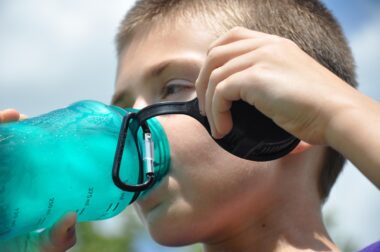
Implementing effective hydration strategies can substantially reduce fatigue and injury risk in athletes. One practical tip is to establish a hydration schedule that incorporates drinking fluids regularly throughout the day, especially leading up to a workout. Utilizing a large water bottle can be a helpful reminder to consume water consistently. In addition, consider adding flavor enhancers or sports drinks to water for long training sessions, making hydration more enjoyable and effective. Monitoring individual hydration needs can vary; hence, it’s essential for athletes to recognize their unique fluid requirements based on factors like their weight and sweat rate. Using electrolyte tablets can also be beneficial for long-distance or endurance activities, as they help replace lost minerals from sweating efficiently. Those involved in high-intensity or prolonged sessions should prepare snacks or fluids that provide a combination of carbohydrates and protein to maintain energy levels seamlessly. Therefore, employing these hydration tips can not only enhance performance but also decrease fatigue and potential injuries that could arise from inadequate fluid intake.
Tailoring hydration strategies to specific activities is vital for maximizing performance and minimizing injury risk in athletes. Knowledgeable athletes must account for variables such as duration, intensity, and environmental conditions. For example, workouts in high humidity may require more aggressive hydration efforts than those in cooler and drier climates. Furthermore, athletes engaged in strength training may have different hydration needs compared to those participating in endurance events. Creating a personalized hydration plan requires tracking fluid intake and urine color regularly; lighter shades typically indicate proper hydration. Those engaging in higher-altitude training may need to increase fluid consumption even more, as altitude often leads to increased fluid loss. Utilizing wearable technology to monitor hydration status can also provide insights into how much fluid an athlete should consume, allowing for real-time adjustments. Therefore, staying informed and adaptable about hydration needs ensures that athletes make the most of their training while protecting themselves from risks associated with dehydration and fatigue. In essence, appropriate hydration is a cornerstone of both peak performance and injury prevention.
Conclusion
In summary, the connection between hydration, fatigue, and injury risk cannot be disregarded in the realm of sports and athletics. Emphasizing the vital role of proper hydration before, during, and after exercise is key to fostering an environment where athletes can thrive without unnecessary injury. The ability to recognize dehydration symptoms and implement hydration strategies effectively can lead to significant improvements in performance levels and safety. Furthermore, understanding how fatigue affects athletic endeavors enables athletes to promote a culture of safety and awareness within their training. By combining hydration practices with appropriate recovery strategies, athletes can ensure better overall health and performance outcomes. Special attention to activity-specific hydration needs will help mitigate risks and equip athletes for success in their sports pursuits. Importantly, hydration must become a part of the athletic mindset—a continual and conscious element in every training and competition context. Ultimately, such practices will not only benefit athletes individually but will enhance the sports community, reducing injury rates and supporting longevity in athletic careers.
Promoting proper hydration is a responsibility athletes must embrace as part of their fitness journey. This awareness encompasses both individual and communal aspects of health in the sports environment. Engaging with coaches, trainers, and nutritionists can help create an effective support system focused on hydration strategies. Creating a strong hydration culture within teams or organizations involves open communication regarding individual needs and practices. Additionally, leveraging learning opportunities about the importance of hydration can motivate each athlete to prioritize their fluid intake proactively. The contribution of a well-hydrated athlete can elevate team performance and contribute to fostering a winning environment. As a result, all team members must feel empowered to share insights and encourage one another, building a comprehensive understanding of hydration’s role in athletic success. By fostering a community centered around proper watering practices, athletes not only safeguard their own health but also inspire others to adopt beneficial habits. This collective approach will produce better outcomes for performance, less fatigue, and ultimately, a lower risk of sustaining injuries, fundamentally reshaping the sports experience.