
Physical Activity as a Tool to Combat Childhood Depression
Childhood depression is a growing concern in today’s fast-paced world, with many children experiencing mental health issues due to various stressors. Physical activity has proven to be a powerful tool in combating these feelings of sadness and despair. Engaging in regular exercise helps release endorphins, the body’s natural mood lifters. Activities such as running, swimming, and team sports not only promote physical health but also foster social interaction and teamwork. Furthermore, consistent physical activity can enhance the cognitive functions necessary for academic success. Studies indicate that children who participate in fitness programs show substantial improvements in their mood and cognitive abilities. Moreover, building a routine that incorporates physical activity can help children develop resilience and coping mechanisms. This routine creates a structured environment that can mitigate anxiety and emotional turmoil, providing a safe space where children can express themselves. Encouraging kids to explore different forms of exercise can lead to lifelong healthy habits. Parents and caregivers must recognize the benefits of physical activity, making it a priority in their children’s lives. Understanding that exercise is not merely a pastime, but a vital component of mental health management is essential.
Moreover, the connection between physical activity and emotional well-being has been highlighted in numerous studies showing positive outcomes for those who engage in regular exercise. Specifically, childhood is a critical period for emotional development; thus, introducing positive habits early is important. Activities that encourage social interaction, such as soccer or dance classes, can help children form friendships, enhancing their sense of belonging and support. Through cooperation and teamwork, children learn valuable social skills that are crucial for their emotional health. Combining exercise with effective coping strategies reinforces positive behavior, allowing children to process their emotions constructively. Additionally, the sense of achievement gained from accomplishing physical challenges contributes to positive self-esteem, further counteracting feelings of depression. Furthermore, the calming effect of physical activity helps reduce stress, making children more equipped to handle life’s challenges. This proactive approach to mental health through exercise emphasizes the importance of establishing lifelong fitness routines and developing personalized activity plans suited to each child’s needs and interests. Encouraging exploration within the world of fitness can spark a joyful engagement, providing a necessary outlet for emotional expression. Overall, incorporating physical activity into children’s lives should be prioritized, both at home and in educational settings.
Creating Supportive Environments
To cultivate a healthy relationship with physical activity, it’s essential to create environments that support and encourage children’s participation. Schools and communities play major roles in this process, offering accessible facilities like playgrounds and sports fields. These resources help foster positive relationships with exercise by making it enjoyable and inclusive. Moreover, programs should aim to include diverse activities catering to various interests and preferences; this keeps children engaged and motivated. Parents can also contribute greatly by being role models, showcasing active lifestyles that their children can emulate. Family outings including hikes, bike rides, or even recreational sports can significantly enhance family bonds while promoting fitness. Setting attainable goals further encourages children to strive for improvement, instilling a sense of purpose and accomplishment. Moreover, positive reinforcement and praise for exercise achievements motivate children to pursue their fitness goals, significantly impacting their mental outlook. Additionally, teaching children about the emotional benefits of physical activity enables them to recognize how exercise can serve as a vital tool for daily life. By creating a community rooted in support and encouragement, children can thrive mentally and emotionally while engaging in healthier lifestyles.
The Role of Technology and Media
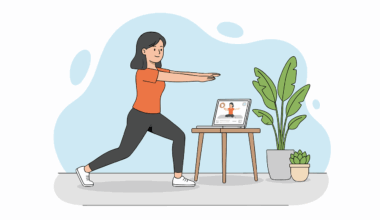
In today’s digital age, the absence of physical activity is frequently exacerbated by technology and media consumption. Children are often drawn to screens, leading to sedentary habits that may worsen mental health issues such as depression. However, technology can also serve as a motivational tool to promote healthier lifestyles. Fitness apps that gamify physical activities can engage children, making exercise both challenging and fun. Moreover, social media platforms can provide a sense of community for those who participate in fitness activities, allowing children to share their experiences and achievements with peers. The challenge lies in balancing technology with physical activity, making it essential for parents to set boundaries regarding screen time. Encouraging kids to participate in outdoor activities even while using technology can foster a more balanced approach to fitness. Joining online fitness challenges may help children stay active while still enjoying their digital space. Incorporating technology into exercise routines by using virtual classes or guided workouts can revitalize interest in physical activity. Hence, establishing a harmonious relationship between technology and fitness can enhance children’s mental health, combating the adverse effects of childhood depression.
In conclusion, combining physical activity with mental health awareness is crucial in the fight against childhood depression. Regular exercise plays a significant role in managing anxiety and depressive symptoms, contributing positively to children’s overall well-being. Emphasizing the importance of physical health for mental clarity not only helps children understand the benefits but also instills resilience and coping mechanisms for future challenges. Schools, parents, and communities must collectively encourage activities promoting both exercise and social interaction, creating supportive environments for children to thrive. As children discover new passions in fitness, they gain positive self-image and achieve emotional well-being. By integrating fitness into daily routines, children will learn to value their physical and emotional health alike. Mental health education must also accompany them, teaching children how to recognize their feelings and seek help when needed. Additionally, collaboration with mental health professionals can further refine approaches promoting overall fitness and mental clarity. As a society, prioritizing children’s health should remain a collective mission, ensuring that physical activity becomes a norm for combating mental health challenges. A strong, healthy foundation laid during childhood can significantly influence their journey into adulthood.
Encouraging Active Lifestyles
Moreover, promoting active lifestyles goes beyond just implementing programs; it involves creating awareness around the issue of childhood depression. Organizations and schools can launch campaigns focused on information dissemination about mental health and the benefits of physical activity. Utilizing social media platforms, they can reach a broader audience, involving children in the conversation around mental wellbeing. Educational workshops might engage kids, teaching them about the relationship between physical activity and mood enhancement. As children become educated about their mental health, they are more likely to embrace fitness routines that support emotional well-being. Each individual can play a role in fostering a culture of inclusiveness and understanding within communities. Encouraging peer-support groups can provide safe spaces for children to discuss their feelings while promoting physical activities that incorporate fun elements. Collaboration between parents and educators is vital for reinforcing healthy messages about both physical and mental health. Moreover, partnerships with local fitness centers can expose children to various forms of exercise while emphasizing teamwork and inclusion. It’s essential for communities to join forces, ensuring no child feels isolated in their struggles, thereby working collectively to promote happier, healthier generations.
In this journey toward understanding the importance of physical activity, recognizing individual differences among children is vital. Each child may respond differently to various types of exercise, emphasizing the need for personalized approaches to fitness. While some might thrive in structured team environments, others may find solace in solitary activities such as yoga or outdoor adventures. Encouraging children to explore different fitness opportunities enables them to discover what resonates best with their own needs and preferences. This exploration can also foster independence while introducing self-care practices essential for managing emotional turbulence. Furthermore, integrating mindfulness practices into physical activities can enhance emotional regulation, providing children tools to address their feelings proactively. As practitioners work with children struggling with depression, they can emphasize the importance of listening to their bodies and engaging in mindful movement. This approach helps children remain attuned to their emotional needs, allowing them to make informed choices regarding their fitness routines. Ultimately, prioritizing personalized physical activity among children not only promotes healthy lifestyles but can also become a cornerstone in their strategies for maintaining mental health and emotional stability as they navigate life’s challenges.