
How to Navigate in Open Water Without Lane Lines
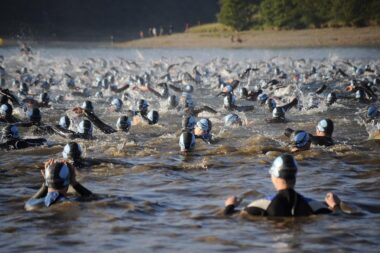
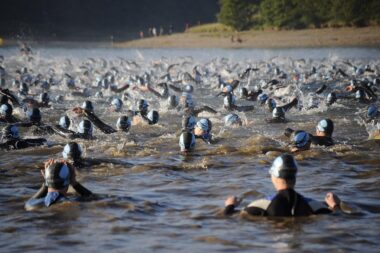
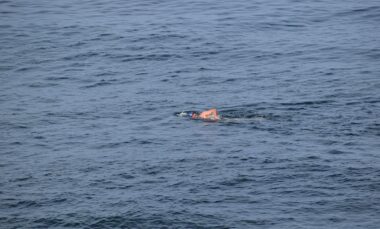
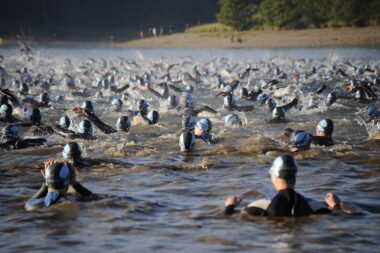
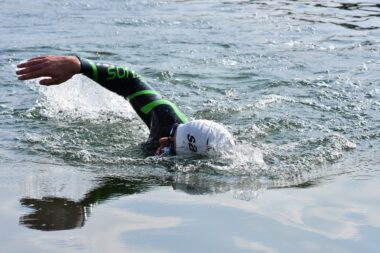
Navigating in open water presents unique challenges, especially compared to swimming in a pool where lane lines guide you. One vital skill is sighting, which means lifting your head out of the water to check your direction. To improve your sighting technique, practice lifting your head as you take a breath. Begin with shorter intervals to identify distant objects like buoys or landmarks. Steady sighting helps prevent drifting off course. Position your body correctly; your head should be aligned with your spine ensuring streamlined movement. Tactics like bilateral breathing can enhance sighting, offering balance while allowing you to maintain visual contact with your navigation points. You can also practice sighting drills, alternating focus between the water and your targets. One effective method involves frequent short sighting glances, allowing you to maintain speed and momentum. Additionally, familiarize yourself with your environment—know the layout of the swimming area, where obstacles are present, and common currents. This knowledge greatly aids your navigation skills. Remember, practice is key; spending time swimming in natural bodies of water will enhance your confidence and ability to navigate without the convenience of lane lines.
Another essential navigation skill involves understanding environmental cues that are often overlooked. Familiarize yourself with markers that can help guide your course, such as boats, shorelines, and different types of water. Natural landmarks, like distinctive trees or cliff formations, serve as excellent reference points. Recognizing how wind affects your directional path is equally important; wind can push you off course. Awareness of the water’s current direction becomes crucial in open water scenarios, as it can easily mislead you. Frequently glance over your shoulders to determine if you are maintaining a straight line. Use your peripheral vision to identify where you’re swimming relative to your original target. Planning your swim helps too; choose an initial point and visualize a straight line toward it, adjusting for any deviations caused by currents or waves. If it’s a race, consider studying the course map beforehand. This preparation allows clearer strategic planning for each segment of your swim. Lastly, don’t forget to adjust your swimming strokes based on varying conditions; this flexibility strengthens your ability to adapt while navigating in unpredictable open waters.
Using Technology to Assist Navigation
Technology can significantly boost your navigation skills during open water swimming. Utilizing a GPS watch or a swim tracker can provide valuable insights about your distance and direction. These devices often feature navigation routes that help minimize guesswork. Some models offer real-time updates, alerting you when you stray too far off course. When selecting a device, ensure that it has a robust accuracy rating for outdoor use. Familiarize yourself with its functions before heading out to swim; this practice prevents unnecessary distractions while navigating in the water. Mobile applications also facilitate route planning. Apps designed for swimmers help you track your distances, routes, and environmental factors. This technological integration encourages a more informed swim. Additionally, some navigational apps include features that indicate when to adjust your path based on any drift caused by wind or currents. While technology should complement your skills, rely on your instincts as well. Balancing tech usage and natural instincts will enhance your navigation abilities in open waters, ultimately improving your swimming experience. Always pair your technological aids with practical navigation skills learned through consistent experience swimming outdoors.
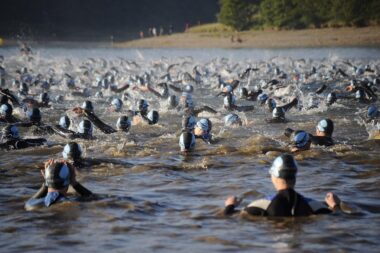
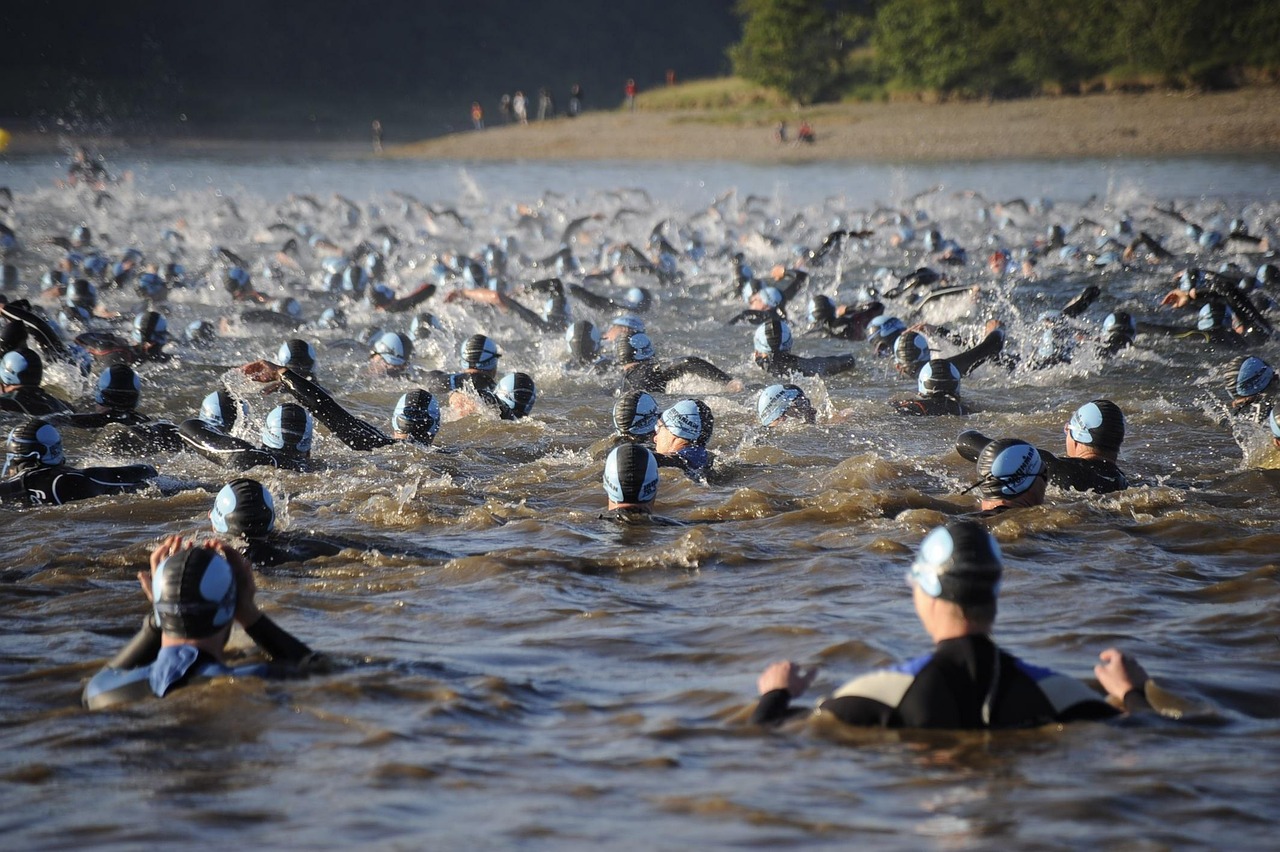
Practicing in different conditions can also prepare you for real-world open water navigation challenges. Each body of water presents diverse variables; temperature changes, wave patterns, and visibility can alter your swimming experience. Seek opportunities to swim in varying conditions to develop adaptation skills. Cold water requires specific acclimatization techniques; understanding how your body responds to temperature fluctuations is crucial. Ensure you acclimate gradually to prevent shock. Next, practice in conditions offering reduced visibility. Different weather patterns, such as fog or rain, can impact your ability to see landmarks. Swim during these conditions to build confidence and familiarize yourself with relying on alternative navigation skills. Additionally, simulate race scenarios by swimming parallel to other swimmers and practice anticipating their movements and currents around them. This method not only sharpens navigation but also enhances your tactical positioning relative to competing swimmers. Joining local open water swimming groups can maximize your exposure to diverse conditions while receiving tips from seasoned swimmers. Make the most of these collective opportunities, as learning from others often leads to insights you might not explore independently.
The Importance of Swim Buddies
Swim buddies can vastly improve your safety and navigation skills during open water swims. Having a partner enables you to navigate effectively while ensuring mutual awareness of your surroundings. Regular practice with a buddy reinforces communication skills, making it simpler to discuss navigation strategies. Consider using predetermined signals for turns and directions; these signals support navigation clarity within the dynamic open water environment. Establishing these cues acts as a reliable method to keep both parties on track, especially in choppy conditions. Furthermore, swimming with a buddy allows you to develop a mutual understanding of navigational tendencies. Agree upon shared reference points to maintain your course together, enhancing efficiency in your swimming rhythm. Create a buddy system when participating in swims in unpredictable waters; this strategy increases safety considerably. In race situations, spotters or support boats are crucial. They can alert you to any potential hazards, enabling timely navigation adjustments. Always discuss your planned swim route beforehand, analyzing possible barriers or currents you may encounter. Training with different swim buddies will introduce various techniques that further enrich your open-water experience.
Learning proper pacing is a crucial element in mastering open water navigation. Consistent training on pacing helps maintain focus during swims, ensuring optimal energy expenditure. It’s common to rush during races, yet efficient pacing is vital for effective navigation and overall performance. Before your swim, establish a sustainable pace based on your ability and the swim distance. Sticking to a well-thought-out strategy helps avoid burn-out early in your swim. Take notice of the time spent swimming versus your perceived exertion; adjusting based on these reflections can aid in improving overall endurance. Practice swimming at different paces to discover your optimum efficiency zone. When swimming in a race or event, aim to regulate your speed according to how much energy you’ll need later. Often, submerged obstacles require heightened awareness, thus making careful pacing even more essential—slow down when necessary to navigate around them effectively. Maintain kinesthetic awareness by focusing on breathing rhythm and swim strokes; this approach allows you to feel your body’s response to various speeds. A thoughtfully paced swim will enhance clarity during navigation, letting you maintain control while adapting to the environment.
Conclusion and Final Tips
Conclusively, honing your open water navigation skills takes time, practice, and dedication. Focus on sighting techniques, practicing under varying conditions, and utilizing technology wisely. Incorporating swim buddies into your training will enhance your safety while offering valuable shared experiences. Remember to establish clear communication methods with partners and adapt your pacing to maintain efficiency in challenging situations. Participating in swim courses or workshops can also provide a structured learning environment where experienced instructors share essential tips. Spend quality time navigating unfamiliar waters; learning from both successes and mistakes drives improvement. Engaging with experienced swimmers can reveal navigational strategies that enhance your own skill set. While technology will always offer assistance, don’t let it overshadow the importance of developing fundamental open water navigation skills. Balance technology use and intuitive navigation while regularly evaluating your progress. Finally, remind yourself that navigating in open water is a skill developed over time; embrace any obstacles encountered along the journey. The challenges you face will steadily transform into new abilities, ultimately leading to a fulfilling experience swimming in open waters.