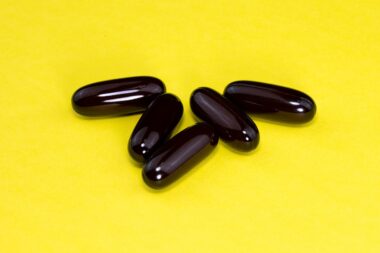

Glutamine Supplements: Benefits for Muscle Recovery and Immune Support
Glutamine is an amino acid that plays a critical role in various metabolic processes within the human body. It is classified as a conditionally essential amino acid, meaning the body typically produces enough of it, but supplementation may be necessary during times of stress or illness. Athletes and active individuals often utilize glutamine supplements for their purported benefits in supporting muscle recovery and immune function. One of the key benefits of glutamine supplementation is its ability to replenish the body’s glutamine levels after intense exercise. When engaging in heavy workouts, glutamine levels can decrease significantly, which may impair recovery. By supplementing with glutamine, individuals can prevent the drop in this important amino acid and help to enhance recovery times. Research indicates that glutamine supports the repair of muscle tissue, reducing muscle soreness and promoting faster recovery post-exercise. These benefits are particularly critical for bodybuilders and endurance athletes, where muscle preservation and recovery are paramount for optimal performance. The versatility of glutamine allows it to be integrated into various dietary plans, making it an accessible choice for fitness enthusiasts and athletes alike.
In addition to its muscle recovery benefits, glutamine plays a significant role in boosting the immune system. During periods of physical stress, the body’s demand for glutamine increases, and the immune system utilizes it as a fuel source. A properly functioning immune system is vital for overall health, especially for those engaged in rigorous training or sports. Lower glutamine levels can compromise immune response, increasing the risk of infections and illnesses among athletes. Studies show that supplementation with glutamine can enhance gut health, which is closely linked to immune function. The gut is home to a large quantity of immune cells, and maintaining gut integrity is crucial for overall well-being. Some research highlights that athletes who consume glutamine supplements may experience fewer illnesses during intense training periods. Thus, incorporating glutamine into daily nutrition plans can provide dual benefits: improved muscle recovery and enhanced immune support. It’s essential for athletes to consult with healthcare professionals before starting any supplement regimen. This ensures that the use of glutamine aligns with their specific fitness goals and health conditions, enabling informed decisions about supplementation.
Glutamine supplements come in various forms, including powders, capsules, and tablets. The powder form is particularly popular among athletes and fitness enthusiasts due to its versatility and ease of use. This form allows for easy mixing into post-workout shakes or pre-workout drinks, providing a convenient option for supplementation. When selecting a glutamine supplement, it’s crucial to consider factors such as purity and quality. Many brands offer gluten-free and vegan options, catering to various dietary preferences. Additionally, it’s beneficial to choose a product that has undergone third-party testing to ensure potency and safety. Proper timing of glutamine intake can also enhance its effectiveness. Consuming glutamine shortly after workout sessions is often recommended to optimize recovery. Athletes may also benefit from taking glutamine before bedtime, as it may contribute to improved recovery during sleep, a vital period for muscle repair. Monitoring personal responses to supplementation is essential, as individual needs may vary. This personal touch ensures that athletes achieve their optimal performance through tailored supplementation strategies.
The Role of Glutamine in Nutrition
Integrating glutamine into one’s diet can also be achieved by consuming natural food sources rich in this amino acid. Foods such as meat, fish, dairy, and eggs are excellent sources that contain glutamine naturally. For vegetarians and vegans, plant-based sources like beans, lentils, spinach, and tofu are valuable alternatives that provide glutamine. Ensuring a diverse and balanced diet is crucial for overall health. However, dietary intake may not always meet the increased demands during intense training periods, making supplementation beneficial. Understanding individual nutritional needs is vital for athletes to determine if they should rely solely on food sources or consider supplements. Consulting a nutritionist can provide tailored recommendations based on activity levels, training goals, and dietary restrictions. In some cases, athletes may benefit from a combination of dietary glutamine and supplementation for enhanced performance. Evaluating training intensity and frequency is essential in making informed nutritional choices. This approach not only promotes better muscle recovery and immune function but also fosters long-term health and fitness success.
Safety and dosage are crucial aspects of glutamine supplementation. Most research suggests that dosing between 5 to 20 grams per day is generally safe for healthy adults; however, individual responses can vary. Start with lower doses to assess tolerance, gradually increasing the amount as needed. It’s also important to understand that while glutamine is generally regarded as safe, excessive supplementation can lead to potential imbalances in the body. Consulting with a healthcare provider prior to initiating supplementation can help outline an appropriate dosage tailored to personal health conditions. Regular monitoring of progress and overall health can aid in adjusting dosages effectively. Additionally, as with any supplement, it is critical to purchase glutamine products from reputable manufacturers to ensure quality control and safe consumption. Product labels should be read carefully to avoid any unnecessary additives that might interfere with fitness goals. Balancing glutamine intake with a well-rounded diet is advised for optimal results, laying the foundation for successful training. This approach promotes thoughtful and safe supplementation practices.
Considerations for Using Glutamine in Training Regimens
Individuals incorporating glutamine supplements into their training regimen should also stay informed about potential interactions with other supplements or medications. It’s vital to maintain a holistic approach to nutrition and supplementation, as interactions may affect how well various supplements work together. Investigating the specific dietary needs of the individual can provide insights into the effectiveness of combining glutamine with other amino acids or protein powders. Beyond supplementation, lifestyles also matter; ensuring adequate hydration, quality sleep, and stress management can further enhance the effects of glutamine on muscle recovery and immune health. Athletes must recognize that supplements alone cannot replace a comprehensive health strategy, as they function best when complemented by minimalizing stressors. As athletes pursue their fitness goals, listening to the body and adjusting supplementation accordingly is essential. This proactive approach allows individuals to optimize their health and performance. Educating oneself about the benefits and limitations of glutamine will contribute to more successful training and recovery strategies moving forward.
In summary, glutamine supplements offer numerous benefits for muscle recovery and immune support, making them a valuable addition to any athlete’s routine. These supplements are crucial in replenishing essential levels of glutamine that can be depleted after intense training. The importance of the immune system during heavy training cannot be overstated, and glutamine plays a key role in supporting immune health. For those engaged in rigorous physical activity, glutamine can help mitigate muscle soreness, enhancing recovery times and overall well-being. The versatility of glutamine supplements provides options for individuals with diverse dietary needs and preferences. Ensuring that glutamine is sourced from reputable brands and taken at appropriate dosages is essential for maximizing benefits. Working with healthcare and nutrition professionals can ensure that athletes tailor their supplementation to their unique training regimens, dietary restrictions, and health conditions. The combination of dietary choices and supplementation creates a more comprehensive approach toward health in fitness. Finalizing the integration of glutamine into a lifestyle can lead to improved fitness results and long-term health benefits for dedicated athletes.
Conclusion
The incorporation of glutamine into one’s diet can significantly support recovery and immune health, essential for sustaining high performance in sports and exercises. Through the careful selection and use of glutamine supplements, individuals may achieve a significant enhancement in muscle recovery while also safeguarding their immune system from the challenges posed by rigorous physical activities. By considering the balance of diet, lifestyle, and supplementation, athletes can create a well-rounded approach that promotes overall health and peak performance. Ensuring adequate glutamine intake through natural sources and supplements is more than a strategy; it’s a commitment to health and fitness excellence. As research continues to highlight the numerous benefits of glutamine, more athletes will likely recognize its importance. Staying informed about ongoing research can empower individuals to make educated choices regarding their health and fitness journeys. In conclusion, those who actively engage in sports and fitness must consider glutamine as an ally on their path to optimal health, performance, and longevity. With proper use and consideration, glutamine supplements can help revolutionize training regimens and recovery processes.