
Dance Classes in Groups: Boosting Mental Health and Social Connection
Participating in group dance classes presents a unique opportunity for individuals seeking not just physical fitness but also mental well-being. The rhythmic movements and engaging choreography stimulate both body and mind, encouraging a positive mental state. Dance has been shown to enhance mood and reduce symptoms related to anxiety and depression. When individuals engage in a social activity like dancing, they create connections that can combat feelings of loneliness. Additionally, partnering with others to learn and perform dance routines fosters support, enhancing emotional resilience. The collaborative environment in dance classes helps participants feel a sense of belonging, pivotal for good mental health. Studies suggest that people who exercise socially tend to maintain a more positive outlook on life. If you’re looking to elevate your mood while also getting some exercise, joining a dance class can be an effective way to do so. Plus, it’s a fun way to stay active! Finding a local class might be the best first step towards improved mental and physical fitness. Celebrate the joy of dance with others and reap the broad benefits it has to offer. Actively engaging in dance might transform your mental health positively.
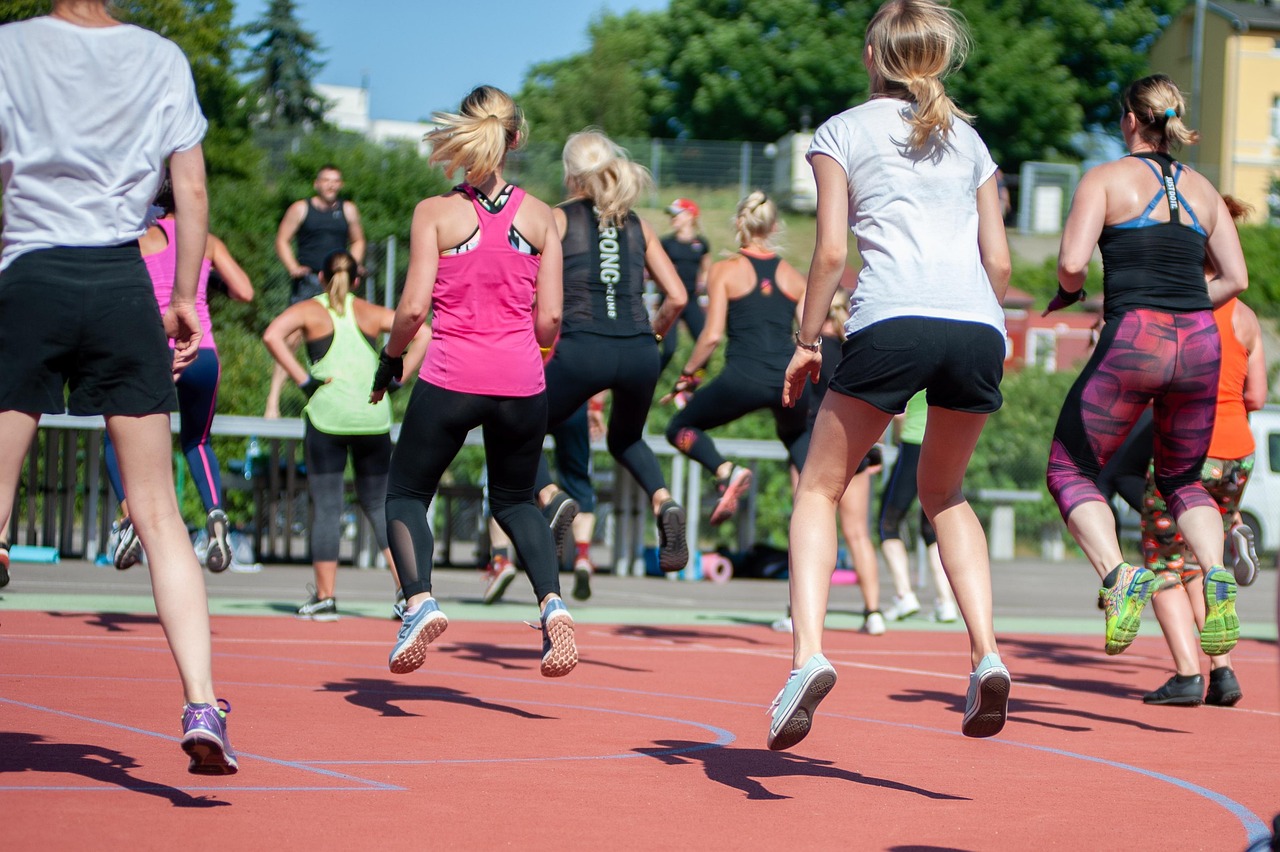
Group exercise, particularly through dance classes, combines physical activity with social interaction, integral for mental health. Research shows that exercise can significantly alleviate stress and improve overall mood. When individuals dance together, they create bonds that enhance emotional well-being. These shared experiences facilitate deeper social connections among participants, fostering a sense of community. Therefore, dance classes can strengthen friendships while enabling members to cheer each other, creating a supportive atmosphere. The music used in dance has an uplifting effect, complementing the movements of participants. Additionally, the rhythmic nature of dancing releases endorphins, further contributing to a more positive outlook. Thus, group dance classes serve not only as a form of exercise but also as a powerful tool for building connections. Encouragement and positive reinforcement from fellow dancers can significantly boost self-esteem. Whether it’s a salsa class or ballet, everyone can find joy in movement. As a result, participants are more inclined to return, enhancing both fitness levels and mental health further. Consider exploring various types of dance opportunities available locally to experience the joy and benefits of exercising in a group setting together.
Building Confidence Through Dance
Confidence is crucial for mental health and group dance classes are exceptional at cultivating it. Each dance move learned represents growth and can foster a sense of achievement within participants. As individuals progress, they often realize their capabilities, which builds self-assurance in and out of the dance studio. The encouragement received from instructors and fellow dancers boosts participants’ confidence in a supportive environment. Dancing in front of others might feel initially intimidating, yet most find that they improve with practice. The act of stepping onto the dance floor can also help individuals express themselves, enabling emotional release. Furthermore, when participants receive positive feedback, it reinforces their belief in their abilities. This cycle of encouragement and improvement creates a welcoming atmosphere. Many participants appreciate how dance classes encourage not only physical fitness but also emotional strength. The overall dynamic often results in a nurturing environment, helping individuals feel valued and respected. Embracing the art of dance can significantly enhance one’s confidence. Joining a group can be transformative, especially when individuals discover the joy of sharing their experiences with others.
Moreover, dance classes help refine social skills, an essential aspect of maintaining mental well-being. Interpreting others’ movements and responding in sync facilitates nonverbal communication, enhancing interpersonal skills. These classes create opportunities to meet new people, breaking down barriers that foster isolation. Building friendships during dance allows individuals to develop trust and camaraderie, which is vital for emotional support. Thus, group dance lessons contribute to personal development and social engagement simultaneously. As participants become more comfortable with each other, they feel inclined to share personal challenges, creating a supportive network. The mutual understanding often gained in these environments encourages individuals to express themselves openly. Being part of a group promotes accountability—dancers are more likely to attend regularly, reaping continuous mental health benefits. Additionally, shared laughter during practice can be therapeutic, reducing stress levels and enhancing overall happiness. Participants often share stories that resonate with each other, transforming dance into a holistic experience. Group dance classes go beyond physical fitness, offering a nurturing space to grow emotionally as well, further enhancing stability in mental health.
The Power of Music in Dance
The influence of music in dance classes cannot be underestimated; it plays an essential role in uplifting spirits and enhancing mental well-being. Different rhythms and melodies can evoke various emotions, encouraging dancers to express themselves. A lively beat spurs excitement, while slow tunes may invoke introspection, facilitating emotional release. Engaging with music while dancing contributes positively to cognitive function and mood. Moreover, participating in classes helps establish routines, providing structure that many find comforting. The repetition of steps paired with uplifting music assists in elevating overall happiness. Studies indicate that synchronization with music not only improves coordination but also enhances mood. Music evokes memories, leading to discussions among participants, strengthening bonds further. Collectively moving to a shared song fosters a sense of unity and belonging. Each dance session becomes an opportunity to celebrate while cultivating connections. These shared musical experiences can transform participants and create lasting memories. Furthermore, cheerful melodies also encourage movement, boosting physical health alongside mental benefits. Dance classes accompanied by the right music ensure everyone feels the joyful impact resonating within them, which is essential for overall wellness.
Regular participation in dance classes promotes not only fitness but also cognitive engagement, crucial for mental health. Remembering choreography enhances memory and concentration, while multi-tasking during dance increases brain function. The combination of physical movement and mental focus creates a holistic workout for both body and mind. Engaging in rhythmic movements often induces a meditative state, allowing participants to escape from daily stresses. While dancing, individuals immerse themselves in the moment, which contributes to mindfulness. Such classes also provide mental stimulation as dancers learn new routines and techniques. As they advance their skills, they continually challenge their brains, leading to heightened cognitive development. Furthermore, group settings encourage brainstorming and collaboration as members discuss choreography. Social interaction significantly contributes to happiness, alleviating feelings of depression or anxiety. Members feel energized, eager to challenge each other positively. Conversations flowing during breaks help develop relationships, reinforcing bonds beyond dance. As participants become familiar with each other, shared laughter and achievements contribute to the joy of dancing together. Thus, the cognitive benefits derived from dancing in a group are innumerable, enhancing life overall substantially—creating a joyful experience within a supportive community.
Inclusivity in Group Dance
Inclusive environments in dance classes promote participation for everyone, regardless of skill level, significantly advancing mental health. Group exercises invite individuals from diverse backgrounds to unite through shared experiences, eliminating barriers and fostering acceptance. Instructors encourage participation, emphasizing that dance is about enjoyment rather than perfection. The celebration of diversity within dance classes fosters empathy and understanding, crucial for building stronger communities. Everyone has a unique story, and dance encourages personal expression, creating mutual appreciation. Individuals gain confidence and appreciation for diverse movement styles, enhancing cross-cultural connections. Being part of an inclusive group helps combat feelings of isolation and inadequacy, essential for nurturing mental well-being. Everyone shares the space equally, offering support during progress while celebrating achievements together. This bond enhances emotional security and resilience. Group classes bridge the gap between different experiences, allowing newcomers to thrive in friendly environments. Once individuals realize they belong, they are more inclined to participate regularly. An inclusive dance class convinces members they are valued and accepted, profoundly impacting their mental health positively. Dance remains a universal language that unites; thus, finding the right class can significantly enhance personal development.
Finally, committing to regular dance classes may yield profound long-term mental health benefits. Establishing a routine fosters discipline, increasing motivation and self-esteem. As individuals witness their growth, they develop healthier habits and routines. These positive changes promote emotional well-being, combating mental health challenges effectively. Dancing itself fosters enjoyment, which can improve life satisfaction significantly. The sense of achievement derived from mastering new dances or meeting friends consistently generates rewarding feelings. Continuously participating enables an understanding of one’s physical capabilities and limits, key in promoting body positivity. As participants embrace their uniqueness, the negative self-perceptions often diminish, enhancing overall happiness. Cultivating a dancer’s mindset—dedication, persistence, and joy—translates positively into daily life struggles. Not only do these classes enhance physical strength, but they also enrich emotional quality of life tremendously. Developing a supportive community through shared interests fosters connections that can last a lifetime. So, if you are exploring options for mental health improvements, consider engaging in dance classes. The combination of fun, exercise, connection, and self-expression paves the way to a healthier mind and spirit. Dancing together promotes collective joy, breaking down barriers while enriching each life it touches enthusiastically.