
Vitamin E Deficiency: Symptoms and How Supplements Can Help
Vitamin E is an essential nutrient known for its antioxidant properties, but many people might not realize how crucial it is for various bodily functions. A deficiency in Vitamin E can lead to numerous health issues, as the vitamin plays a vital role in maintaining the immune system, skin health, and cellular function. The body relies on this fat-soluble vitamin to aid in the protection of cells from oxidative damage. If you’re not getting enough Vitamin E in your diet, it may result in severe consequences that affect your overall well-being. Therefore, understanding the signs and symptoms of Vitamin E deficiency is crucial for achieving optimal health.
Common symptoms of Vitamin E deficiency include muscle weakness, vision problems, and a weakened immune response. Additionally, individuals may experience neurological issues due to impaired nerve functions. This vitamin is particularly important for those with malabsorption disorders, such as cystic fibrosis or Crohn’s disease, where fat-soluble vitamins are less efficiently absorbed. It is essential to identify these symptoms early on to ensure timely intervention. If you suspect a deficiency, consulting a healthcare professional for appropriate testing and diagnosis is vital. Early detection can prevent further complications and promote overall health improvement.
The Role of Vitamin E Supplements
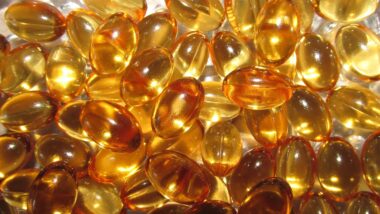
Vitamin E supplements can effectively help combat deficiency and restore optimal levels in the body. These supplements come in various forms, including tocopherols and tocotrienols, which contribute to the antioxidant benefits. Incorporating Vitamin E supplements into your daily routine can be beneficial, especially if your diet lacks sufficient sources of this vitamin. Before starting any supplement regimen, it’s wise to consult a healthcare provider to determine the appropriate dosage and form. Balance is essential, as excessive intake of Vitamin E can result in side effects, including blood thinning and other complications.
Natural food sources rich in Vitamin E include nuts, seeds, spinach, and broccoli. However, for individuals who struggle to consume enough of these foods, supplements become an important topic. Incorporating a supplement tailored to individual health needs can be a game changer, especially for those at risk of deficiency due to dietary restrictions. Enhancing your diet with a quality Vitamin E supplement can support cellular function and overall health, making it a vital addition for many. Combining supplementation with a balanced diet rich in various nutrients can yield the best health outcomes for individuals.
Choosing the Right Supplement
When selecting a Vitamin E supplement, consider factors such as the form, dosage, and added ingredients. It’s important to choose a product with high bioavailability, which ensures your body can absorb and utilize the vitamin effectively. Look for products that contain mixed tocopherols, as these provide a broader spectrum of benefits compared to synthetic options. Additionally, consulting with a healthcare professional can guide you in making informed choices based on specific health needs and lifestyle factors. This step is crucial for optimizing health and well-being when integrating supplements.
For people considering pharmacy-grade Vitamin E supplements, it’s essential to evaluate product labels and research efficacy. Potential health benefits of sufficient Vitamin E intake include improved skin health, reduced inflammation, and enhanced immune response. Tracking your progress and discussing changes with your healthcare provider will help ensure you’re on the right path toward replenishing your vitamin levels safely. Staying informed leads to successful supplementation, helping you achieve essential nutrient balance. A well-rounded approach that includes diet and supplements can significantly improve your health outcomes.
Consulting with Healthcare Professionals
Before starting any Vitamin E regimen, it is crucial to consult with a healthcare provider. Experts can help you assess your current vitamin levels, dietary intake, and overall health. They may recommend specific blood tests to determine if you have a deficiency. These evaluations are vital, as individual needs can vary substantially based on factors such as age, gender, and lifestyle. Personalized advice is essential for effective supplementation, ensuring you receive the benefits without risking negative side effects. This expert guidance plays a pivotal role in maintaining long-term health.
Remember that while supplements can provide benefits, they should complement a healthy dietary pattern rather than replacing whole foods. A varied diet that includes nuts, seeds, and green leafy vegetables can ensure a balanced intake of nutrients, including Vitamin E. Combining a nutritious diet with appropriate supplements enables you to achieve optimal health. In conclusion, understanding Vitamin E deficiency and the role of supplements is critical. Such knowledge empowers individuals to make informed decisions regarding their health, fostering vitality and well-being in everyday life.