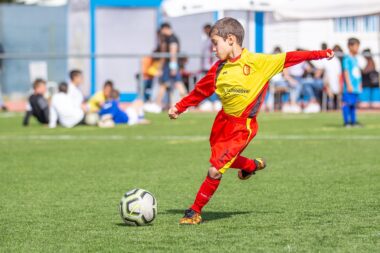

The Importance of Rest in Children’s Fitness
Rest and recovery play crucial roles in the fitness journey of kids and teens. Regular physical activity is essential for their growth, development, and overall health. Yet, equally important is understanding the necessity of adequate rest periods during their training regimens. Young athletes often engage in various sports, which requires their bodies to repair and adapt after exertion. Without sufficient rest, fatigue accumulates, leading to potential injuries and decreased performance. Parents and coaches must educate young individuals on listening to their bodies. Rest isn’t merely the absence of activity; it is a critical component of training that fosters improved fitness levels. Recovery allows muscles to heal and strengthen, preparing them for subsequent activities. Furthermore, it influences psychological wellbeing, reducing stress and increasing motivation. Young athletes may face societal pressures to perform continuously. Cultivating a culture that prioritizes rest will significantly benefit their long-term enthusiasm for physical challenges. Strategies such as scheduling regular rest days or incorporating low-intensity activities can ensure recovery is ingrained into their routines. Emphasizing rest will elevate their approach to fitness and enhance performance in their chosen sports or activities.
The process of recovery involves more than just taking a break from training. It’s also about employing various techniques and practices that support the body’s natural healing processes. Young athletes should explore practices such as stretching, hydration, and proper nutrition to maximize recovery efficiency. Incorporating stretching exercises helps improve flexibility, promotes blood circulation, and reduces post-workout muscle soreness. Furthermore, staying hydrated is vital during and after activities, as it replenishes lost fluids and supports overall bodily functions. Additionally, focusing on balanced nutrition plays a significant role in enhancing recovery. Consuming a mix of proteins, carbohydrates, and healthy fats allows young bodies to repair and regenerate effectively. Foods rich in antioxidants can help combat oxidative stress caused by intense activities. Parents and coaches should educate young athletes about meal timing, ensuring they consume appropriate nutrients within a suitable window after physical activity. Simple meal suggestions could include smoothie preparations or whole-grain sandwiches complemented with protein sources. Integrating these elements into recovery not only improves performance but also instills lifelong healthy habits. Developing a holistic approach to recovery will benefit their fitness journey profoundly.
Furthermore, recognizing the signs of fatigue and overtraining is crucial for kids and teens engaged in sports. Young athletes may not always comprehend their limits, often pushing their boundaries. Coaching staff and parents must remain vigilant and observant of behavioral and physical indicators that suggest extreme fatigue. Symptoms can range from mood swings, poor performance, and increased irritability to physical manifestations such as persistent soreness. Advocating for team discussions surrounding fatigue can establish an open environment where young athletes feel comfortable expressing their needs. Encouraging them to take breaks or adjust workout intensity when they feel overwhelmed fosters a supportive atmosphere. Introducing concepts like active recovery—engaging in light exercises to maintain fitness without strain—could be greatly beneficial. Activities like swimming or yoga can serve as excellent alternatives on rest days, keeping kids active while allowing their bodies time to recuperate. Also, creating an alternating schedule of high-intensity and low-intensity workouts can help distribute training demands evenly. This balanced approach supports long-term engagement and reduces the risk of burnout. Prevention of overtraining through education and vigilance is critical for developing motivated, healthy young athletes eager to improve their performance.
Psychological Benefits of Adequate Rest
Rest and recovery also provide notable psychological benefits that influence kids and teens in their fitness pursuits. Young athletes often face immense pressure from peers, coaches, and even themselves to excel. Regular periods of rest allow them to recharge not only physically but mentally as well. Importantly, this enables them to maintain a positive attitude towards their sport. When fatigued, enthusiasm wanes, and motivation diminishes; conversely, adequate recovery fosters renewed energy and commitment. Encouraging athletes to set personal goals that prioritize enjoyment and personal growth over strict performance benchmarks can change their outlook on competition. Schools and sports organizations can help by promoting a positive atmosphere that appreciates effort and dedication rather than just winning. Additionally, relaxation techniques such as mindfulness and meditation could be beneficial in managing stress and anxiety related to competition. Engaging in social activities or simply spending leisure time with friends outside of sports can enrich their overall experiences. Developing a healthy mindset around their capabilities is vital for sustaining long-term interest in physical activities. Through the implementation of supportive strategies, young athletes can enjoy their fitness journey while achieving personal goals.
Furthermore, understanding the role of seasons in kids’ sports can significantly affect fitness levels and recovery needs. Seasonal changes often influence children’s active participation in various sports, necessitating different training approaches. In colder months, children may engage in indoor activities or sports. This shift can result in altered movement patterns, increased injury risk without proper acclimatization, and a need for focused recovery. Similarly, during hot summer months, hydration and energy levels needs shift. Planning workouts around the season’s demands helps athletes adjust accordingly. Ensuring activities are balanced throughout various seasons reduces monotony and promotes continual adaptation. Coaches can utilize off-seasons to incorporate cross-training or skill-building practices that allow for physical development without the intensity of competition. Seasonal variation can support psychological refreshment, maintaining children’s interest in sports. Further, young athletes need guidance on how to enjoy leisure activities, promoting active lifestyles outside their main sports. This approach contributes to higher overall fitness levels and reduces burnout risks. Effectively navigating seasonal transitions to encourage varied activities and focus on recovery is pivotal for sustaining lifelong fitness habits.
In alignment with seasonal fitness, implementing planned recovery strategies in training schedules boosts young athlete performance. Designing a year-round schedule that includes periods of intense training followed by recovery phases equips kids with a structured understanding of pacing. Use periodization strategy to manipulate workloads optimally ensures peaks in performance aligned with events. Young athletes gain familiarity with training cycles, fostering ownership over their athletic journey. Additionally, monitoring progress during training lowers the risk of stalls in motivation due to repetitive programs. Incorporating evaluations at defined intervals can reveal areas needing attention, leading to personalized adjustments that maintain excitement. Adequate rest deserves significant emphasis, as it prepares a young athlete for challenges while promoting longer-term dedication. Facilitate open conversations regarding the importance of recovery and rest, establishing a culture that empowers young athletes to advocate for their needs. A balanced approach that reflects their seasonal commitments and evolving bodies sets a foundation for sustained engagement. Creating flexible training environments that adapt to individual requirements will help enhance both enjoyment and progression. These approaches prepare young athletes to develop a profound and positive relationship with fitness, ensuring their lifelong journey remains rewarding.
Incorporating Rest into Fitness Routines
To successfully integrate rest and recovery into seasonal fitness routines, young athletes can utilize specific strategies that promote sustainability and well-being. Scheduling regular rest days should be mandatory, allowing for recovery while maintaining motivation and accountability. Implementing recovery-focused sessions involving low-intensity exercises, stretching, or even restorative yoga can adeptly balance rigor with relaxation. Engaging in fun activities such as dance or hiking can also keep young athletes active during periods of low intensity. Educating them on the impactful benefits of rest in enhancing performance will encourage adherence to the schedule. Encourage parents to emphasize a healthy balance in physical activities helps to reduce the perception of competitive pressure. Implementing this new culture surrounding fitness allows kids to understand the significance of listening to their bodies. Coaches can also introduce relaxation techniques, simple breathing exercises, or mindfulness sessions in training routines. Involving family and educator participation in promoting recovery principles encourages holistic support. Establishing a supportive fitness framework emphasizes the importance of periods of rest alongside physical fitness. Creating opportunities for open dialogue about rest fosters a community where fitness thrives without compromising health.
In conclusion, integrating rest and recovery into kids’ seasonal fitness can significantly enhance their overall performance and well-being. Recognizing the vital role of rest is essential for fostering young athletes who are healthy and excited about their sports. Implementing rest and recovery education significantly benefits their fitness and emotional development while nurturing sustainable habits. Establishing patterns of awareness surrounding overtraining and fatigue contributes to a more sustainable athletic journey, subsequently reducing injury risks. Parents, coaches, and educators must work collaboratively to promote healthy lifestyles that value rest as much as physical activity. Adopting proper nutrition and hydration practices will complement their recovery efforts and overall physical health. Encouraging relaxation techniques and engaging in leisure activities outside their primary sports will keep young athletes motivated in their fitness pursuits. Thus, raising awareness around the importance of rest can ensure that challenges faced around seasonal fitness don’t overwhelm kids. Creating a culture that loves fitness while recognizing the necessity of recovery provides the foundation for lifelong enjoyment of physical activities. By implementing these strategies, kids can develop positive attitudes toward fitness, leading to a rewarding lifetime of healthy habits.