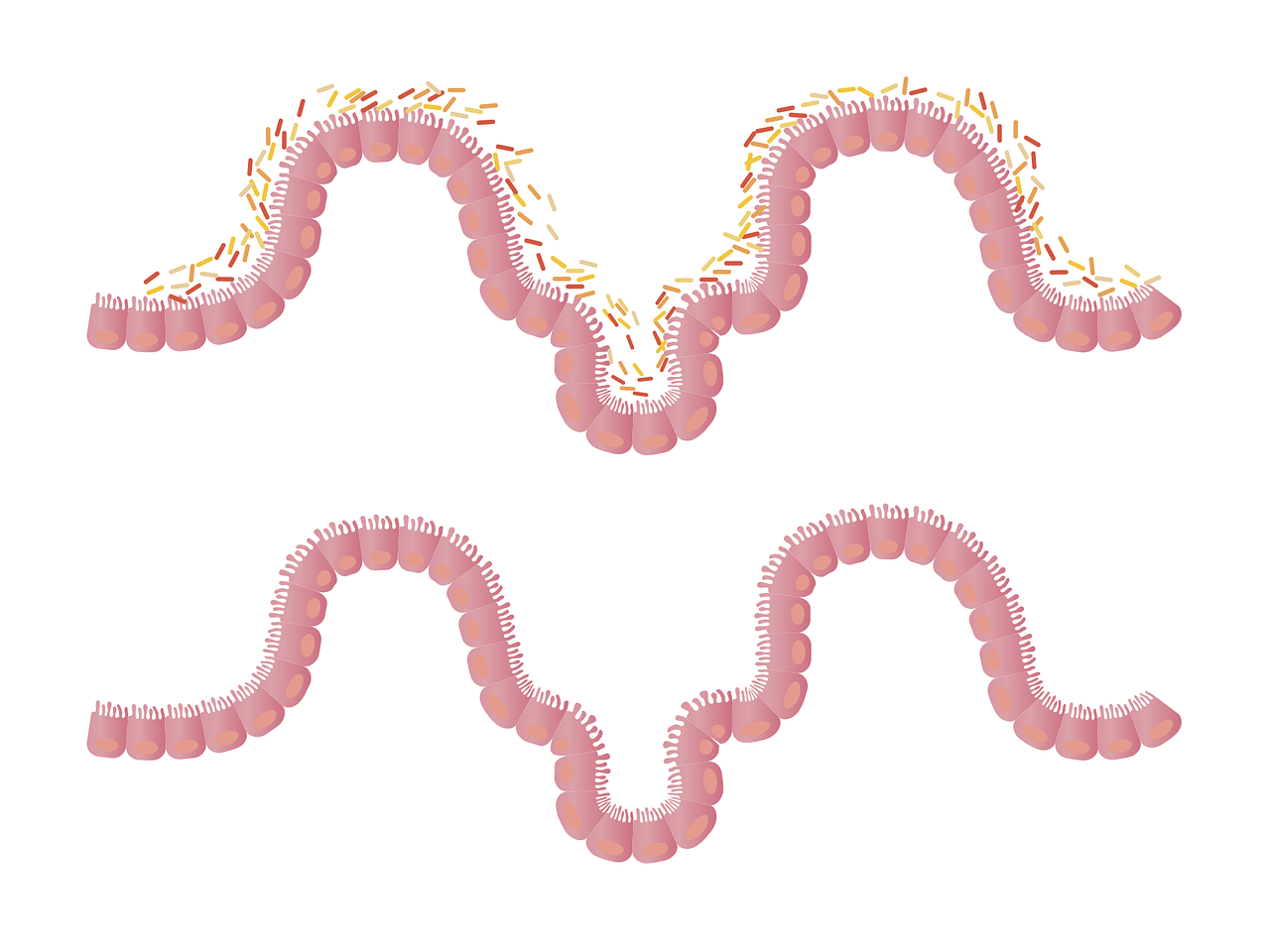

The Role of Eating Frequency in Gut Microbiome Health
Eating frequency is a significant factor influencing gut microbiome health. Many people believe that eating more frequently will boost metabolism and aid in weight loss. However, this is a common misconception. Research indicates that the type of food consumed, not merely the frequency of meals, plays a crucial role in shaping the gut microbiome. For instance, diets rich in fiber, such as fruits, vegetables, and whole grains, promote beneficial bacteria growth. In contrast, high sugar and processed food intakes can lead to dysbiosis, an imbalance in microbial communities. Numerous studies have demonstrated how meal timing and composition can impact gut health. For those striving for a healthier gut, focusing on nutrient-dense foods may be more advantageous than merely increasing meal frequency. Gut bacteria thrive on different nutrients, hence altering your dietary habits can foster a more diverse microbiome. In turn, this can enhance immunity and overall health. Furthermore, maintaining regular meal patterns can support metabolic processes in the body, thus preventing drastic fluctuations in blood sugar. It’s time to reevaluate how we perceive the relationship between meal frequency and gut health.
Many people believe that frequent snacking increases metabolism, aiding in weight loss. This notion is widespread yet misleading. Instead, scientific discussions have turned to meal timing and content, which can contribute more to gut microbiome health. Variations in gut bacteria composition are tied to the types of food consumed rather than how often one eats. Studies illustrate the significance of whole foods over frequent snacking or meals. Moreover, when people consume high levels of fiber and fermented foods, they often experience improved gut health. For instance, probiotic-rich foods, such as yogurt, can enhance beneficial bacteria. Meanwhile, consuming meals high in sugar or saturated fats can lead to harmful bacteria dominance. Increased snacking may lead to excessive calorie intake, possibly resulting in weight gain instead of loss. Gut health is also affected by how meals are spaced. Intermittent fasting has shown promising results in restoring gut health. This approach allows the gut sufficient rest time, promoting better digestion. Therefore, managing meal frequency should focus on food quality. Incorporating nutrient-dense options can lead to a healthier microbiome, debunking the myth of frequent meals improving health.
Understanding the Microbiome’s Role
The gut microbiome consists of trillions of microorganisms that contribute to overall health. It influences digestion, metabolism, and even mood. Eating frequency can affect which microbes thrive, hence impacting gut health. High-protein diets, common in many skin, can lead to changes in gut bacteria. Some studies suggest that those consuming protein-rich foods less frequently may have a more diverse microbiome. Additionally, a diverse microbiome supports a stronger immune system, underscoring the importance of food choices over meal frequency. Many people overlook the significance of prebiotics and probiotics, assuming frequency offers better health outcomes. However, understanding these components is essential to optimizing gut health. Prebiotics, found in fiber-rich foods, feed good bacteria, fostering their growth. Probiotics provide beneficial microbes that help maintain gut balance. Evidence shows that a greater variety of whole foods consumed impacts diversity within microbiomes favorably. Furthermore, consistently consuming healthy meals at less frequent intervals can be effective. Tailoring one’s diet, recognizing personal needs, and monitoring responses are critical in establishing a gut-friendly eating approach. It becomes evident that meal quality and composition outweigh mere frequency.
Dietary patterns emerged as pivotal factors affecting gut microbiome composition. This has reshaped the perception of how eating frequency influences health. The traditional notion suggests frequent small meals enhance digestion and metabolism. However, science suggests otherwise. Research shows that occasional fasting can trigger beneficial processes. Metabolic states such as ketosis promote better microbiome diversity. During fasting, harmful bacteria tend to decrease while beneficial bacteria flourish. Moreover, achieving gut health doesn’t require increased eating frequency; rather, it encourages mindful eating habits. Eating during set times allows the body to adjust, enhancing digestion and absorption capabilities. This approach can prevent gastrointestinal distress and support a robust microbiome. Additionally, incorporating various foods within fewer meals can expose the gut to diverse nutrients, ensuring overall balance. The focus should shift toward encouraging a wide range of nutrients from various food sources instead of merely increasing meal counts. By prioritizing quality over frequency, individuals can foster gut health more effectively. Ultimately, understanding meal timing, digestive health, and nutrient density becomes paramount for those seeking to optimize their microbiome and overall well-being.
Breaking Down the Myths
It’s essential to debunk the myths surrounding eating frequency and its purported benefits. One prevalent myth is that frequent meals prevent overeating and promote weight loss. However, studies illustrate that meal frequency alone does not significantly influence weight management outcomes. The quality of consumed foods remains a dominant factor. Emphasizing whole foods over processed ones can yield better results for overall health. Another misconception lies in the idea that specific timing of meals enhances metabolism. Metabolism operates through complex bodily mechanisms, with meal quality playing a more substantial role. Eating nutritious meals can provide the body with essential nutrients, supporting healthy digestion. Furthermore, advanced understanding of the gut-brain connection highlights how gut health affects cravings and satiety signals. Frequent eating can disrupt this balance, potentially leading to unhealthy food choices. Mindful eating practices can nurture a positive relationship with food, fostering better choices. Therefore, breaking down myths around eating frequency encourages individuals to adopt healthier practices. It clarifies that the focus should be on wholesome, nutrient-rich foods rather than merely counting meals throughout the day. Awareness of these misconceptions promotes a more health-conscious society.
The intricate relationship between eating frequency and gut health continues to be explored within scientific communities. Investigating the impacts on gut microbiome remains a forefront topic in nutrition research. Studies indicate that meal patterns and overall dietary diversity contribute significantly to health outcomes. Flexibility within eating practices can provide benefits that rigid frequent-food frameworks fail to achieve. Observations show that increased frequency does not invariably link to improved health markers. Instead, a focus on variety allows for fostering different microbial colonies within the gut. For instance, incorporating seasonal vegetables and fermentation can lead to enriched dietary benefits. Diverse diets, even if consumed infrequently, can maximize the potential for beneficial microbial diversity. Furthermore, adhering to personal eating rhythms aligns well with optimal digestion and metabolism functions. Adopting varied nutrient schedules based on individual lifestyles fosters a healthier microbiome. Therefore, as more insights emerge, the recommendations shift towards being more adaptable. It’s clear establishing healthy patterns is a personal journey needing unique approaches. Considering personal needs, preferences, and health conditions bound the ongoing exploration of food, frequency, and gut health.
Conclusion on Eating Frequency
In conclusion, the role of eating frequency in gut microbiome health needs careful reinterpretation. The focus shifts from how often you eat to what you consume. Prioritizing high-fiber foods, prebiotics, and probiotics while limiting sugar intake is essential for promoting gut health. Nutrient-dense meals prepared within flexible frameworks allow individuals to maintain success. Through consistent education and awareness, the misconceptions surrounding eating frequency can be dismantled. Understanding that wholesome foods often lead to varied gut bacteria is fundamental to overall well-being. Implementing healthier habits leads to improved health markers over pursuing increased meal counts. Additionally, psychosomatic responses linked to consuming nutritious meals yield better health outcomes. Continuous research within this field unveils the complexity of food interactions with gut microbiomes. Tailoring dietary choices based on personal experiences further enhances improvements. As diets continue to evolve, education remains a priority. Society can improve health outcomes by emphasizing quality over sheer frequency. Therefore, embracing a holistic approach to nutrition and gut health supports balanced living, reinforcing that understanding nutrients’ impact is vital. Ultimately, a well-informed perspective on eating frequency can empower healthier choices and lifestyles.
Overall, it’s vital to remember that the role of eating frequency is nuanced. Research continues to explore connections among meal timing, content, and microbiome health. Focused attention on nutrient-dense foods and individual experiences can guide healthier habits. Insights into gut microbiomes strengthen understanding the interplay between nutrition and health. As science advances, it opens avenues for better dietary frameworks promoting biological well-being and addressing misconceptions. Elevating awareness around the gut’s importance allows for more mindful food relationships. Emphasizing diversity remains vital in fostering healthier microbial environments. Education surrounding eating habits should not solely concentrate on frequency but rather on food quality and nutrient composition. Future discussions around gut health may alter established myths and misconceptions. Vibrant gut health remains grounded in making informed dietary choices while prioritizing overall well-being. Ultimately, it’s about creating a balanced life, adopting flexible meal schedules that adapt to one’s lifestyle while concentrating on nourishing the body. By so doing, individuals may discover the true meaning of health within the complexity of their dietary experiences and their gut microbiome’s needs. Therefore, the evolution of dietary practices must recall the interdependence surrounding food, frequency, and overall health perspectives.