
Step-by-Step Guide to an Effective Cool-Down for Flexibility Gains
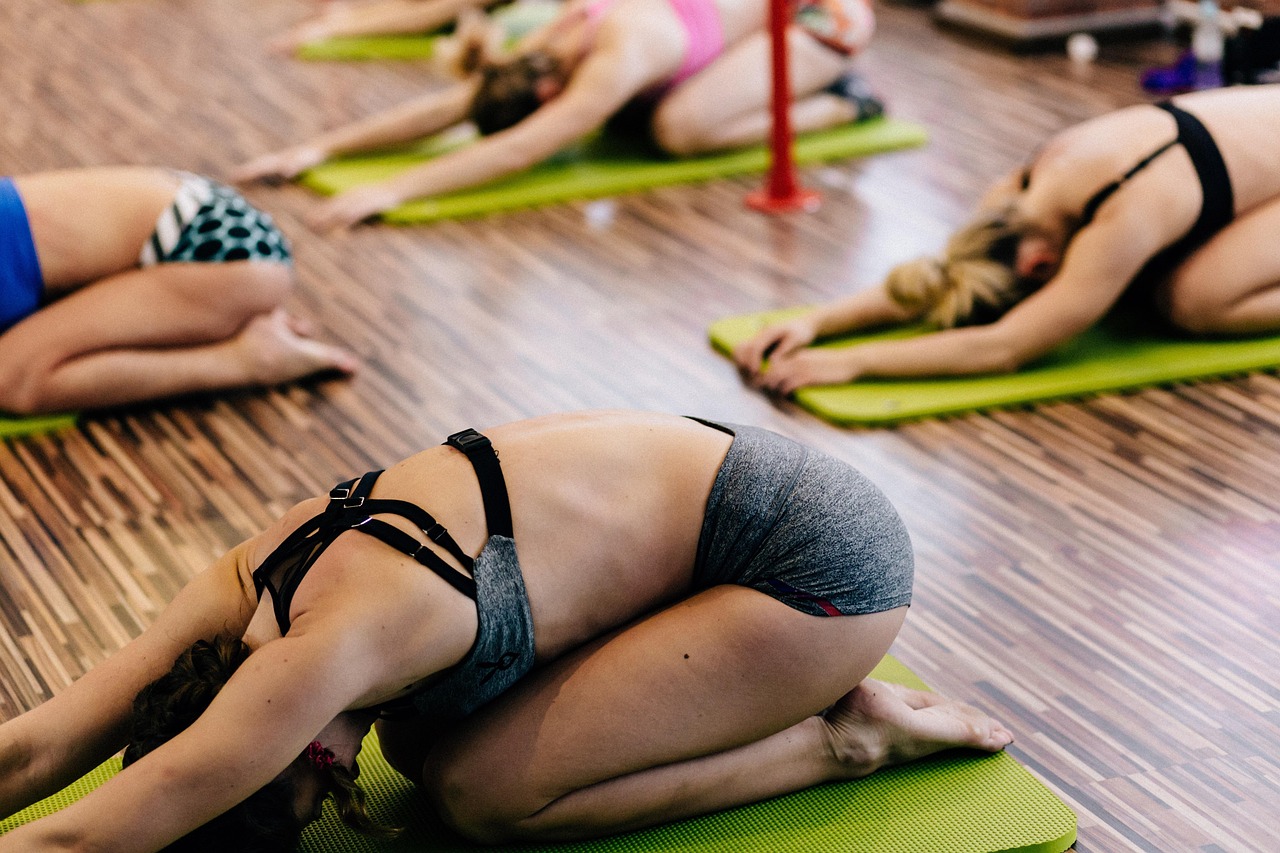
Cooling down after a workout is crucial for enhancing flexibility and preventing injury. It helps your body transition from an intense state to a resting one while promoting muscle recovery. An effective cool-down can significantly increase your overall mobility and flexibility. Make sure to allocate at least 10 to 15 minutes after your workout for this essential step. Begin with gentle activities such as walking or light jogging to lower your heart rate gradually. During this period, you allow blood circulation to normalize, helping in lactate clearance and muscle recovery. Including static stretching is vital during the cool-down as it aids in lengthening your muscles. Select stretches targeting the major muscle groups that were engaged. Consider incorporating techniques like deep breathing to maximize the relaxation effects on your body and mind. Remember, each stretch should be held for 15-30 seconds while avoiding bouncing movements. Additionally, ensure it feels comfortable and never forces your body into painful positions. Cooling down not only benefits physical health but enhances your flexibility, making it easier to perform various activities in daily life.
Importance of Stretching After Workouts
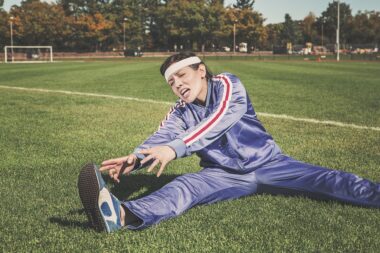
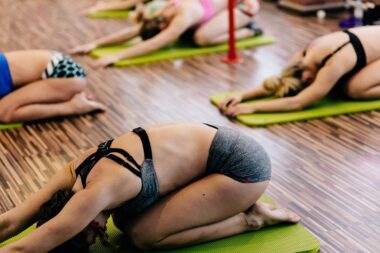
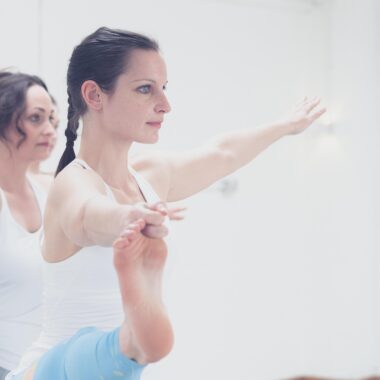
Stretching post-workout is an essential part of achieving flexibility gains. It plays an important role in preventing muscle tightness and promoting a full range of motion. When you engage in intense physical activity, your muscles tend to contract and become tight. Stretching helps counteract this effect and prepares your muscles for future use. During your cool-down phase, it’s vital to focus on areas that feel particularly tight. Static stretches, such as the hamstring stretch or quadriceps stretch, should be included in your routine. Each stretch should be performed gently to avoid strain, and it’s beneficial to breathe slowly and deeply throughout. Engaging in flexibility exercises enhances not only your physical performance but also aids recovery. As you work on flexibility, be consistent and patient; results may take time but are well worth the effort. Incorporating both stretching and other methods, like yoga or Pilates, into your routine can enhance flexibility significantly. To pinpoint areas needing attention, pay attention to how the body feels post-exercise. Regularly dedicating time to such practices accelerates your flexibility journey while helping to avoid injuries.
The right techniques to enhance flexibility and mobility include variations in stretching positions suitable for everyone, regardless of fitness levels. For beginners, consider starting with shorter or gentler holds; over time, gradually work towards deeper stretches. Some effective stretches include butterfly stretches, standing calf stretches, and seated forward bends. It is essential to adjust and modify poses to suit your flexibility level as improvement develops. Always remember to listen to your body during these routines. Incorporating dynamic warm-ups beforehand has been known to enhance performance and prepare the muscles for stretching. These warm-ups facilitate increased blood flow, preparing muscles and joints for flexibility work later on. Stretching can be categorized into static and dynamic forms, both of which offer unique benefits. Static stretches are typically performed post-workout, while dynamic stretches should be reserved for warm-ups. Exploring different methods, such as proprioceptive neuromuscular facilitation (PNF) stretching, may provide additional benefits. As you become more familiar with different approaches, it’s recommended to find the right combination that suits your goals while maintaining a focus on safety and comfort to prevent injuries during exercise.
Creating a Personalized Cool-Down Routine
Designing a personalized cool-down routine is essential for maximizing flexibility gains. Consider factors such as personal fitness levels, exercise intensity, and specific goals when creating your plan. Start by identifying muscle groups that require particular focus, such as hamstrings or back muscles. One should also consider the duration of the cool-down; a longer duration may be necessary after more intense workouts while shorter routines may suffice with lighter sessions. Ensure to include a mix of stretching and relaxation techniques in your cool-down. Also, consider involving calming elements like breathing techniques, which can further aid in relaxation. Different stretches could include those tailored to sports or activities you partake in regularly, as customizing can maximize effectiveness. Think beyond traditional static stretches and explore dynamic or yoga-based approaches for variety. Utilizing foam rollers or massage balls may enhance recovery and flexibility simultaneously. These tools help alleviate muscle tension, ultimately supporting a well-rounded cool-down routine. Lastly, continuously reassess and adapt your routine as flexibility improves, allowing for greater challenges and performance enhancements as your journey progresses.
Tracking progress in your flexibility journey can make a significant difference in your overall development. Consider maintaining a journal to note down your pre-and post-session flexibility levels, allowing you to visualize improvements over time. Include specific metrics, such as how far you can reach or the depth of your stretches, to gain insight into your progress. Additionally, recording your feelings and experiences after each session will help inform future adjustments needed in your cool-down routine. Further, set realistic and achievable targets based on your observations while celebrating small victories along the way. Consistency remains key in achieving flexibility gains, so prioritize your routine amidst other commitments. You could integrate flexibility training with other forms of fitness, and combine with strength training or other active pursuits. Ensure to vary the stretches you perform to keep sessions fresh and engaging; practice consistently, focusing on technique and form to avoid injuries. Consider incorporating techniques from diverse practices like yoga or tai chi to mix things up. These additions will enrich your cool-down and flexibility routine, leading to better muscle relaxation and an enhanced overall experience.
Consistency is Key
Sticking to a regular cool-down routine is crucial when it comes to enhancing flexibility gains. Consistency creates a foundation for continuous improvement, enabling your muscles to adapt to the demands placed upon them. Allocate specific time slots during the week to ensure you complete your stretching and recovery sessions. Engage in flexibility work at least two to three times weekly alongside your usual fitness regimen for optimal results. Consider focusing on one or two key stretches during each session rather than trying to cover everything at once. This focused approach can produce clear results over time, providing a sense of achievement. As you progress, gradually increase the duration of your stretches to challenge yourself in a safe manner. Additionally, become familiar with various stretching techniques, allowing you to switch things up as needed. However, avoid excessive stretching beyond what your body can handle safely. Take note of how your body feels along the way, adjusting your routine accordingly based on your responses. With persistence and attention, your cool-down sessions will greatly contribute to improved flexibility and mobility, enhancing your overall physical wellness.
Incorporating mindfulness into your cool-down process can amplify the benefits of relaxation and flexibility. Mindfulness practices, like meditation or focused breathing, create a connection between body and mind, leading to heightened awareness of your physical sensations. Prioritize finding a quiet space where you can focus during your cool-down; this will help deepen your stretching experience. Utilize techniques such as visualization while stretching to enhance concentration and efficacy. Picture your muscles lengthening and relaxing effortlessly, promoting a sense of calm. Further, as you find a rhythm in your cool-down routine, allow your body to let go of lingering tension built up during more intense workouts. Consider ending your session with a few minutes of deep breathing as a way to reconnect with the mind and body while concluding the cool-down. This practice can help reinforce positive habits surrounding flexibility training. As you progress, continually adapt your mindfulness techniques to reflect your evolving relationship with movement and your body. Ultimately, cultivating mindfulness will enhance the overall experience of your cool-down, reinforcing the importance of relaxation in flexibility training and fitness.
Conclusion and Final Thoughts
To wrap up, an effective cool-down is indispensable for flexibility gains and overall physical health. Make the practice of cooling down a non-negotiable part of your fitness routine, contributing immensely to muscle recovery and injury prevention. Dedicate sufficient time post-exercise to focus on transitions, facilitating a smoother shift from high intensity to rest. Through consistent application of proper stretching techniques, individuals can optimize their flexibility levels within a safe framework. Remember that incremental improvements will lead to lasting changes; flexibility is a journey requiring patience and commitment. Continually reassess your routine and celebrate progress, regardless of its size. As awareness of your body’s needs evolves, remain open to modifying your cool-down sessions for greater effectiveness. Integrate relaxation techniques alongside stretching exercises, solidifying your understanding of the mind-body connection. Additionally, explore various approaches to flexibility training that resonate best with your body’s needs and personal preferences. When practiced mindfully and regularly, the benefits of an effective cool-down will shine through not only in flexibility gains but also in enhanced athletic performance, enriching daily life with increased mobility and freedom.