
Nutrient-Dense Vegan Dinner Recipes for Athletes
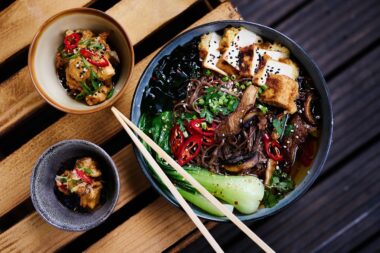
For athletes adopting a vegan lifestyle, maintaining nutrition can be challenging but rewarding. A balanced post-workout meal should include high-quality proteins, healthy fats, and vibrant carbohydrates. Incorporating legumes, whole grains, vegetables, and herbs will provide essential nutrients needed for recovery and performance. Start with a lentil quinoabowl; combine cooked quinoa, green lentils, roasted vegetables, and a drizzle of tahini. Another option is a chickpea curry served with brown rice, which packs a protein punch and is nutrient-dense. Tofu stir-fry with assorted non-starchy vegetables can also fulfill these dietary needs effortlessly. You can customize your meals with lots of options, from spices to vegetables. Also, consider nutrient timing; consuming meals post-exercise promotes recovery, protein synthesis, and energy replenishment. Including fruits is equally important. Keep snack bars made of oats and nuts handy to stave off hunger and fuel your workout routines effectively. Overall, versatility and creativity in meal preparation can help sustain your energy levels, ensuring endurance as you conquer your training schedules and achieve your athletic goals. Experimenting with flavors and textures keeps meals interesting while you nourish your body from the inside out.
Incorporating high-iron foods is critical for athletes, as plant-based diets can sometimes lack this vital nutrient. Foods rich in iron include lentils, beans, tofu, and fortified cereals. Try a delectable black bean and quinoa salad for dinner; combine cooked black beans with chopped tomatoes, cilantro, and avocado, and add lime juice for a refreshing note. Creating nutrient-dense meals is all about balance; aim for a colorful plate that includes various vegetables bringing essential vitamins and minerals to boost immunity. Incorporating vitamin C-rich foods like bell peppers, broccoli, and citrus fruits enhances iron absorption. Grains such as brown rice, whole wheat bread, and oats should also form a foundation for your meals. Walnuts and flaxseeds are fantastic sources of omega-3 fatty acids, contributing to heart health, which is vital for any athlete. Try a delicious walnut pesto pasta for an easy dinner. Combine whole-grain pasta with fresh basil pesto made from blended walnuts, garlic, lemon, and nutritional yeast. Balancing all these foods and flavors will help you create satisfying meals that fuel your performance while keeping your body nourished and healthy.
Simple Vegan Dinner Recipes
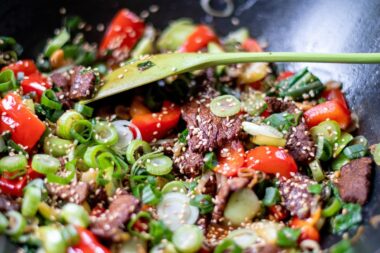
For a quick and easy vegan dinner, filled with protein and essential nutrients, consider a chili packed with various beans, corn, and tomatoes. Use kidney beans, black beans, and pinto beans for heartiness while flavoring with cumin, paprika, and chili powder for depth. Another great choice is making a vegetable stir-fry using seasonal vegetables like bell peppers, zucchini, and snap peas. Pair it with teriyaki or soy sauce for a delicious finish and serve over brown rice or quinoa for increased fiber. Think about adding nutritional yeast for a cheesy flavor while contributing to your B12 needs. A warming vegetable soup can also be nutrient-dense and fulfilling. Blend roasted vegetables with vegetable broth and seasoning for a comforting meal perfect for any time of the year. Incorporating avocados can provide healthy fat content and creamy textures to diverse meals. Whether blending them into dressings or piling them onto salads, you’ll find they enhance flavor and satiety. Experimenting with herbs can elevate any dish; fresh thyme, rosemary, or cilantro can add layers of taste, enhancing your overall dining experience while supporting your health goals.
Roasted chickpeas offer a fantastic snack or add-on protein for salads. Season them with smoked paprika or garlic powder before roasting to create a crunchy treat. For protein-packed dinner options, try tempeh tacos. Tempeh is fermented soybeans, nutrient-dense and supports gut health while being an excellent protein source. Crumble tempeh with spices for a savory taco filling, adding avocado and salsa for ultimate flavor. Alternatively, consider making a spinach and lentil stuffed bell pepper. Bake halved bell peppers filled with cooked lentils, spices, and quinoa for depth in texture and flavor, topped with a sprinkle of nutritional yeast. Don’t forget healthy carbs; consider swapping regular pasta with chickpea or lentil pasta for an extra protein kick. A vegan dinner does not have to be complicated; keep it simple yet nutritious, focusing on whole ingredients. Lastly, use seasonal ingredients whenever possible, as they often offer the best nutrition and flavor. Combining creativeness with basic cooking skills can lead to weekly dinners that not only satisfy but also support athletic endeavors every step of the way!
Flavorful Vegan Options
When meal prepping for the week, consider batch cooking these nutrient-dense recipes to save time. Preparing a hearty stew with kidney beans, carrots, and kale can yield nutritious servings, perfect for grabbing after a workout. Coupled with a side of whole-grain bread, it can create a fulfilling meal. Save leftovers as they can enhance versatility — reheat them for quick lunches or incorporate them into new meals. Use the base of your stew for a sauce over pasta the next day, thus minimizing waste. Additionally, a diverse range of spices can elevate your meals; try incorporating curry powder or turmeric to not only add vivid color but also great health benefits. These spices have anti-inflammatory properties, supporting sore muscles after intense training. Always be sure to drink plenty of water. Hydration is critical for optimal performance, especially on a vegan diet. Pairing hydration with wholesome meals ensures that you are ready to take on any workouts or competitions. Overall, preparing nutrient-dense meals tailored to your needs not only supports your performance goals but also honors the values of a thoughtfully selected diet.
Consider utilizing meal delivery services focused on vegan diets if your schedule is busy. Many companies offer meal plans specifically tailored for athletes, ensuring each meal is packed with essential nutrients needed for recovery. Choosing services with organic produce can solidify the quality of your ingredients. Cooking your meals at home provides the ultimate control over your dietary options, allowing you to align meals with workout schedules and preferences. Invest in quality kitchen tools to simplify meal prep; a good knife, cutting board, and blender can save valuable time, making healthy eating more accessible. Try making smoothie bowls loaded with vitamins and nutrients to consume essential greens and protein quickly. Combine spinach, almond milk, and your choice of fruits, blending with pea protein powder for added energy to fuel workouts. Garnish with nuts and seeds for texture and healthy fats. Preparing nutrient-dense snacks, like energy bites made from oats, nut butter, and chia seeds, can keep your energy levels up between meals. The key is finding what fits your body and lifestyle. Satisfy your taste buds while supporting your athletic journey with vibrant and delicious vegan meals.
Conclusion
Embracing a vegan diet as an athlete requires attention to nutrition and creativity in meal preparation. By regularly incorporating nutrient-dense recipes, one can ensure adequate protein, vitamins, and minerals needed for peak performance. Legumes, whole grains, nuts, seeds, and lots of colorful vegetables are essential components contributing to overall health. Choose recipes that are easy to prepare, and consider batch cooking to simplify your week. Explore different flavor combinations, and don’t shy away from trying new ingredients. Establishing a healthy and tasty routine around plant-based meals can enhance energy, recovery, and performance outcomes. Rely on resources such as cookbooks or online blogs dedicated to vegan athletes for recipe ideas and guidance. The journey of plant-based eating can be filled with exploration and learning opportunities that lead to improved health. Remember, balance is key, and moderation will allow for a sustainable lifestyle. Celebrate your achievements in fitness and health, supporting your body’s needs through nutritious foods. Ultimately, vegan meals can be delicious and beneficial, fueling athletic dreams while maintaining a commitment to conscious eating.
Engaging in community is another way to enhance your vegan culinary experience; consider joining cooking classes or plant-based fitness groups. Exchange recipes, share tips, and collaborate to navigate the challenges of following a vegan diet. Consistency in your meal prep, regular experimentation, and ongoing education will contribute to long-term success. As you transition into this lifestyle, pride in your choices can lead to a fulfilling journey. Overall, by designing nutrient-dense vegan dinners that fit your lifestyle, you’ll achieve comprehensive health and nutrition. Finding enjoyment within the food community may inspire your journey, leading you to flavorful discoveries you never thought possible. Keep embracing your growth as you chase your goals. Nutrients are your ally; they will drive your energy levels and enhance your athletic performance. Worth highlighting, every small change you make leads to larger health benefits down the line. So, stay persistent, create incredible meals, and always remember your motivations for embracing this nourishing path.